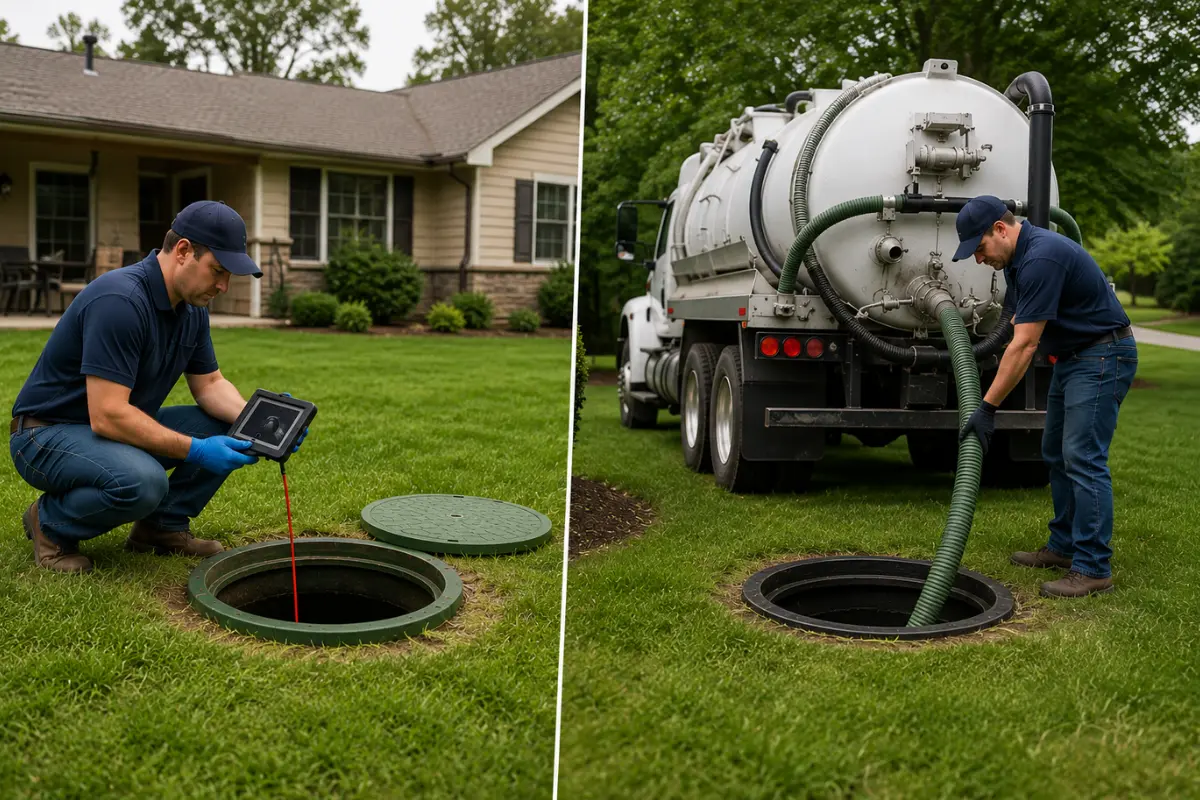

A septic system is designed to last for decades, but no system lasts forever. Over time, wear and tear, age, poor maintenance, and environmental factors can lead to serious problems that may require more than a simple repair. Understanding the most common septic system replacement signs can help homeowners take action before a complete system failure occurs.
If you suspect your system is failing, scheduling a professional septic inspection can help identify the cause before costly damage occurs.
Why Septic Systems Eventually Need Replacement
Most septic systems have a lifespan of 20 to 30 years when properly maintained. However, factors such as household water usage, soil conditions, maintenance history, and system design can affect longevity.
While routine septic pumping and inspections can extend the life of your system, there comes a point when replacement becomes the most practical and cost-effective solution.
Below are seven warning signs homeowners should never ignore.
1. Standing Water Near the Drain Field
Standing water is one of the most serious septic system replacement signs.
When wastewater cannot properly filter through the soil, it may begin surfacing in your yard. This typically indicates a failing drain field or a system that can no longer process wastewater effectively.
Look for:
- Wet patches in the yard
- Pooling water after dry weather
- Muddy areas around the drain field
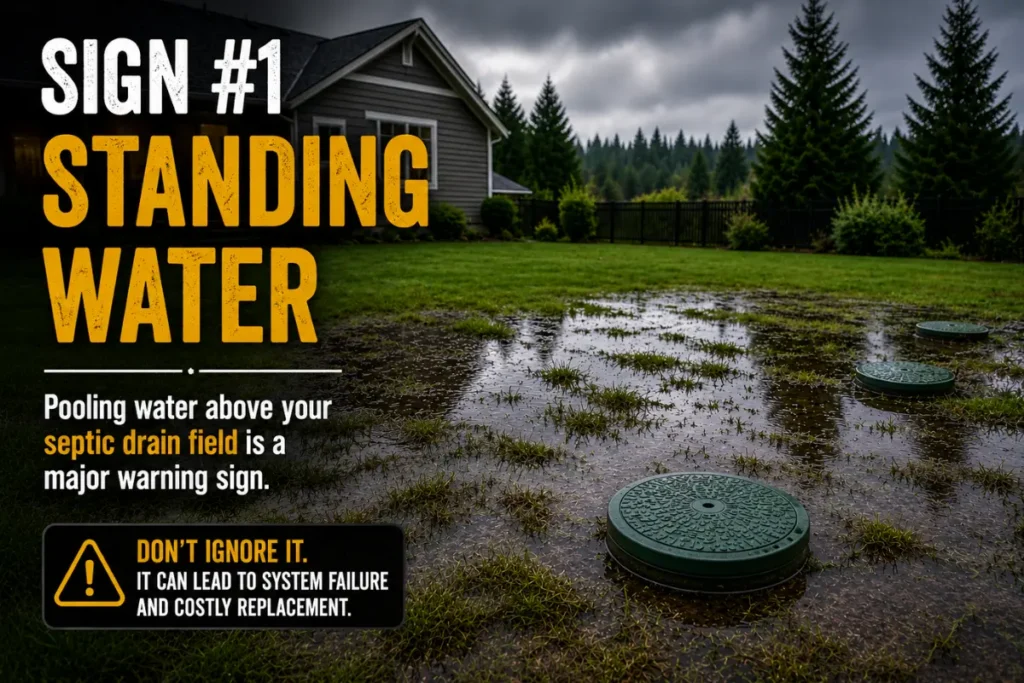
These issues should be addressed immediately to prevent environmental contamination and property damage.
2. Frequent Sewage Backups
One of the clearest signs of septic system failure is recurring sewage backups inside your home.
While a clog may cause an occasional plumbing issue, repeated backups often indicate a larger problem within the septic system.
Warning Signs:
- Toilets are backing up frequently
- Wastewater returning through drains
- Multiple fixtures draining slowly
- Gurgling sounds in pipes
Throughout Pierce, Thurston, and King County, we often see sewage backups caused by septic tanks that have gone too long without pumping. Scheduling routine septic tank pumping is one of the most effective ways to protect your system and avoid expensive repairs.
3. Persistent Septic Odors Around Your Property
A properly functioning septic system should not produce strong sewage odors.
If you notice unpleasant smells near your septic tank, drain field, or around your property, it could indicate system deterioration or wastewater escaping where it shouldn’t.
Common causes include:
- Tank damage
- Drain field failure
- Cracked pipes
- System overload
Persistent odors often require professional evaluation to determine whether repairs or replacement are needed.
4. Slow Drains Throughout the Home
A single slow drain may not be cause for concern. However, when multiple sinks, tubs, and toilets begin draining slowly at the same time, it may indicate a larger septic problem.
If drain cleaning and plumbing repairs do not resolve the issue, the septic system itself may be reaching the end of its lifespan.
Pay attention to:
- Slow sinks
- Slow showers
- Frequently clogged toilets
- Reduced drainage throughout the home
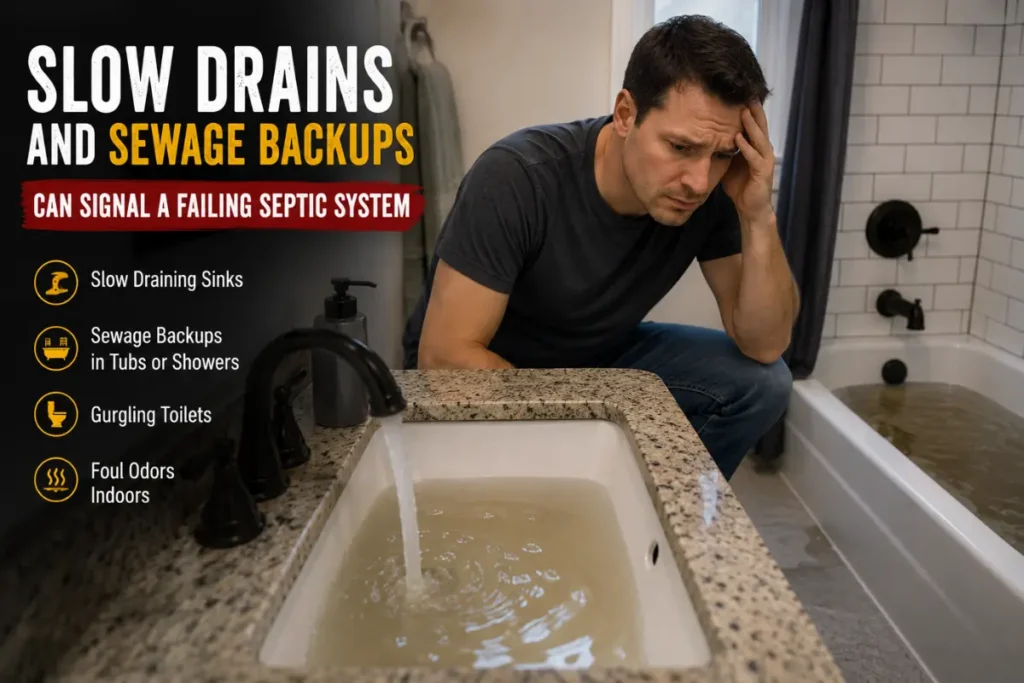
These symptoms often appear before major septic failures occur.
5. Unusually Green or Lush Grass Above the Drain Field
When untreated wastewater escapes underground, it acts as a fertilizer, causing grass growth that is noticeably greener than in surrounding areas.
Standing water above your drain field is often a sign that the system can no longer properly absorb and treat wastewater. Left unaddressed, drain field failure can lead to property damage and costly septic replacement.
This can be a sign that:
- The drain field is failing
- Pipes are leaking
- The system is overloaded
6. Your Septic System Is More Than 25–30 Years Old
Age alone does not guarantee failure, but older systems are significantly more likely to experience serious issues.
Many septic systems installed decades ago were designed for smaller households and lower water usage than modern homes require.
If your system is approaching or exceeding 25 years of age, scheduling a professional inspection can help determine whether replacement should be planned before a failure occurs.
Older systems often develop:
- Structural deterioration
- Reduced efficiency
- Drain field problems
- Outdated components
7. Recurring Repairs That Keep Getting More Expensive
If you find yourself repeatedly paying for septic repairs, replacement may be the more economical long-term solution.
Many homeowners continue repairing aging systems only to face additional breakdowns months later.
Consider replacement if you have recently paid for:
- Multiple septic repairs
- Drain field repairs
- Pipe replacements
- Repeated emergency service calls
At a certain point, investing in a new system may save money and eliminate ongoing headaches.
Septic Repair vs. Septic Replacement: How to Decide
Not every septic issue requires replacement. Many problems can be resolved through routine maintenance, pumping, or targeted repairs.
However, replacement may be the better option when:
- The drain field has failed
- The system is severely outdated
- Repairs are becoming frequent
- Structural damage is extensive
- The system no longer meets household demands
A professional septic inspection can help determine the most cost-effective solution.
When to Schedule a Professional Septic Inspection
If your septic system is showing multiple warning signs, a professional septic inspection can identify the source of the problem and determine whether a targeted repair or full replacement is the most cost-effective solution
Early intervention can help homeowners avoid:
- Property damage
- Environmental hazards
- Costly emergency repairs
- Unexpected system failure
Protect Your Property With Professional Septic Services
Your septic system plays a critical role in protecting your home and property. Ignoring early warning signs can lead to expensive repairs and major disruptions.
Whether you’re experiencing slow drains, standing water, sewage odors, or recurring repairs, a professional evaluation can help determine the best course of action.
For homeowners in Pierce County, Thurston County, and King County, regular maintenance, inspections, and timely repairs can significantly extend the life of a septic system and help avoid premature replacement.
Questions About Septic System Replacement
What are the warning signs of septic system failure?
Signs of septic system failure include sewage backups, foul odors, standing water, unusually green grass above the drain field, and slow drainage throughout the home.
Can a failing septic system be repaired instead of replaced?
In some cases, septic repairs can resolve isolated issues. However, if the drain field has failed or the system is severely damaged, replacement may be the more cost-effective long-term solution.
How do I know if my septic system needs replacement?
Common septic system replacement signs include frequent sewage backups, standing water near the drain field, persistent odors, slow drains, and recurring repair costs. A professional septic inspection can determine whether repair or replacement is the best option.