Here’s the good news: most big septic problems can be avoided with proper maintenance and by following a few simple habits. By giving your septic tank the maintenance it requires, you can keep your home and property safe and avoid potentially expensive repairs.
Why Septic Tank Care Matters for Your Home and Property
Your septic system handles all the dirty water from your sinks, showers, tubs, and toilets. So, if it’s not working right, it can cause problems everywhere. For example, a poorly maintained septic tank can lead to awful odors, sewage backup, and even costly damage to your yard and home.
To avoid extra expenses and protect your property, let Sterling Septic & Plumbing handle the dirty work. Professional septic tank pumping and routine maintenance help your system last longer and minimize repair costs down the road.
10 Simple Tips for Taking Care of Your Septic System
1. Watch What Goes Into Your Septic Tank
Our septic technicians have seen it all—lines caked with grease, piles of “flushable” wipes, wads of paper towels, paint, chemicals, and more. These and most any other items can clog your septic lines, overload your tank, disrupt the bacteria that break down waste, and worse.
2. Use Water Efficiently Every Day
Instead of doing all your laundry at once, try to spread out your loads throughout the week. Also, fix any leaky faucets or running toilets as soon as you notice them. Too much water too fast can overwhelm your septic tank, making it harder for it to filter the wastewater.
3. Follow a Regular Tank Pumping Schedule
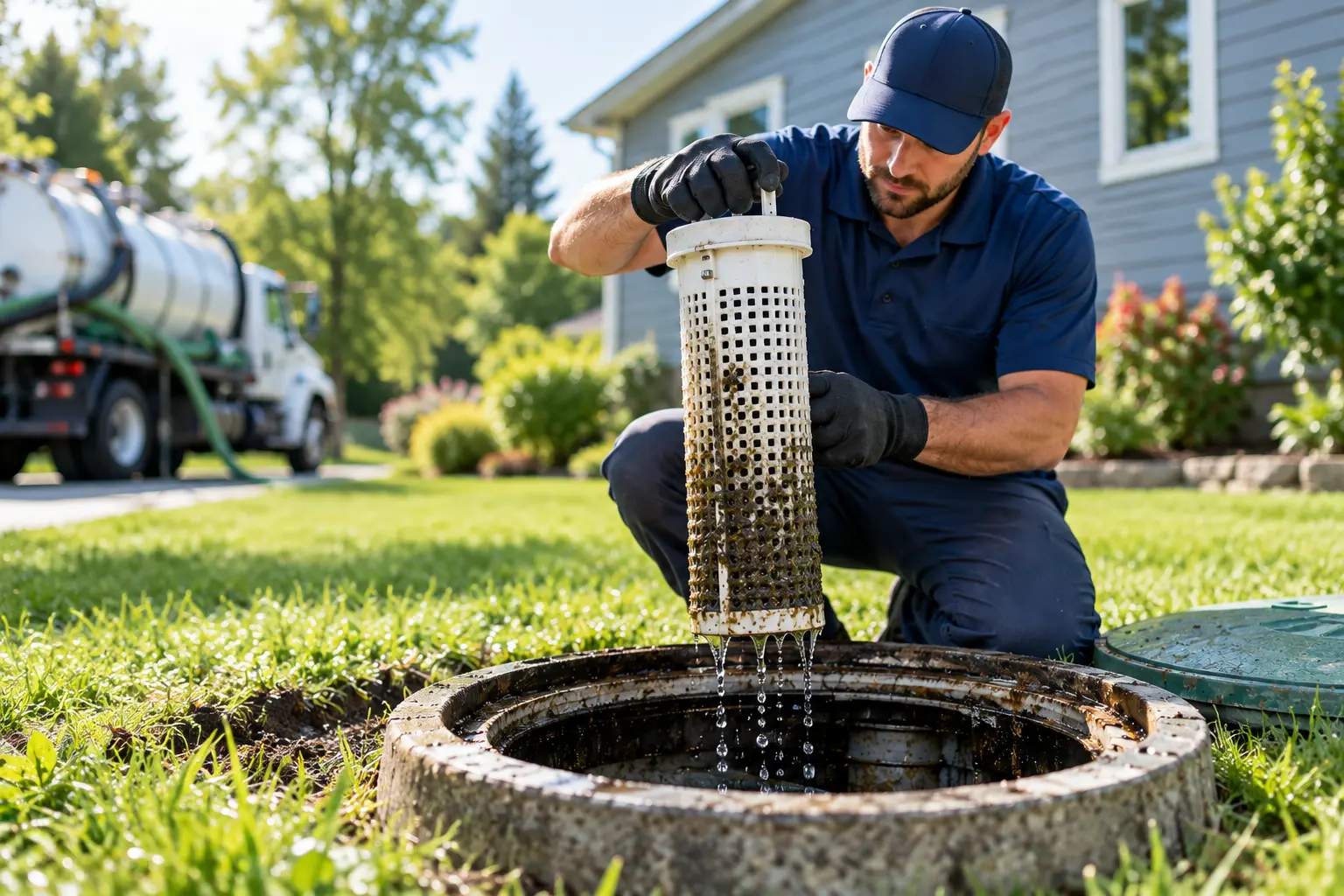
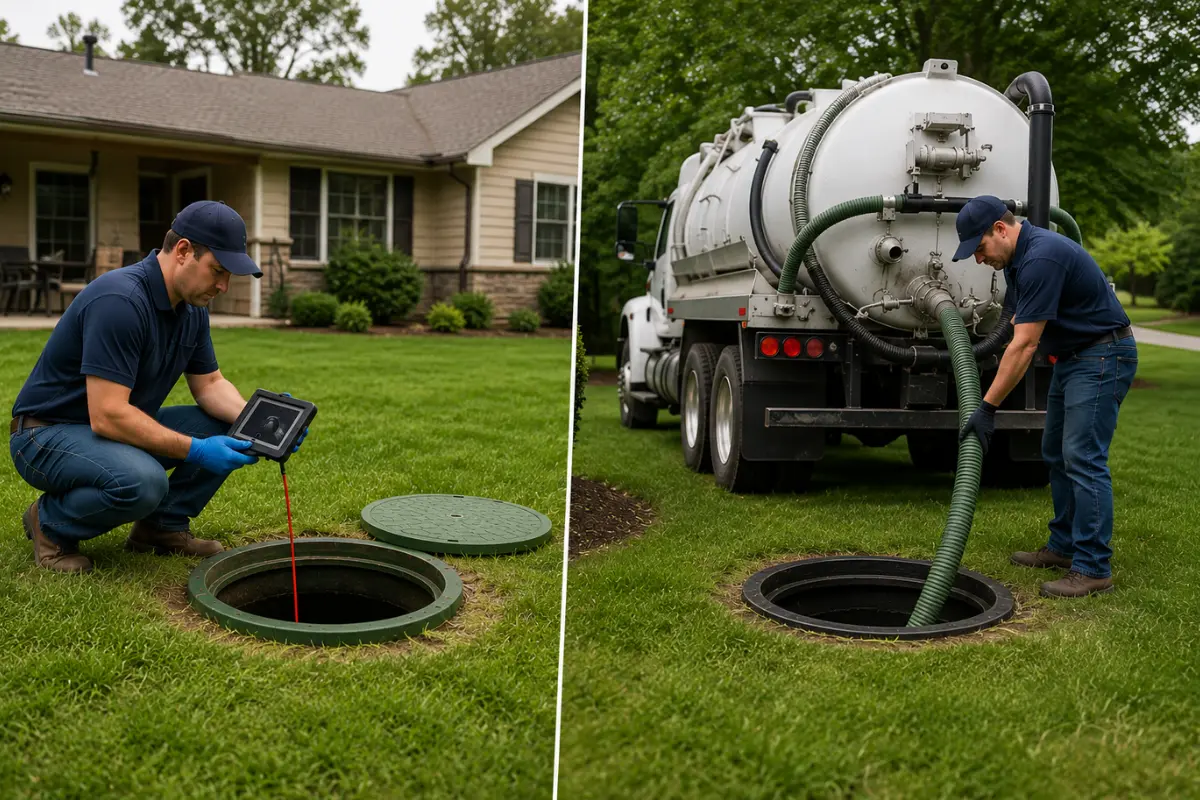
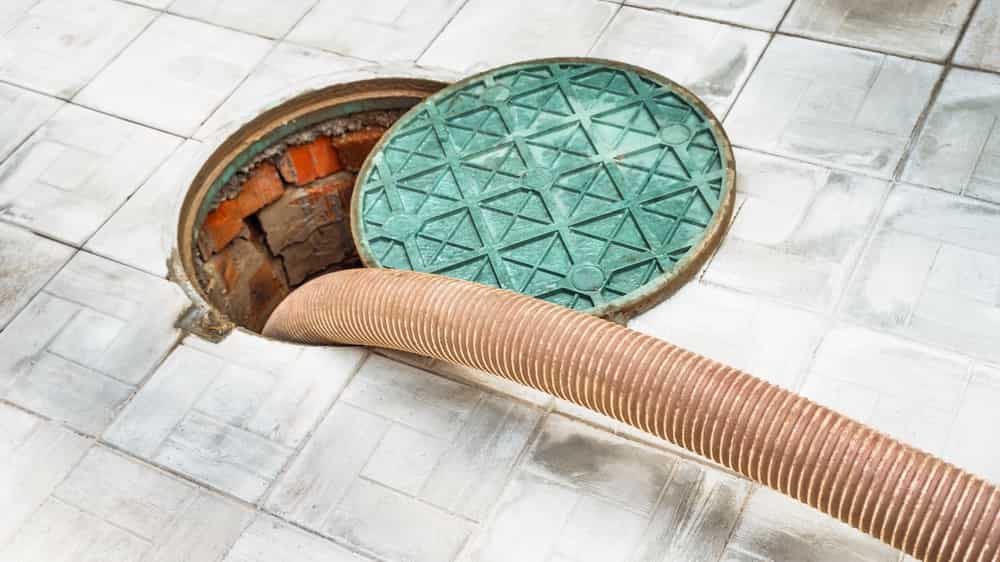
Of all the septic system care recommendations, having the tank pumped regularly is a must. How often you need to have your tank pumped depends on things like how many people live in your home, how much water you use, and the size of the tank. Sticking to a pumping schedule helps stop sludge from building up, which can cause backups and damage to the system.
4. Be Careful with Your Garbage Disposal Use
Using a garbage disposal adds extra solid waste to your septic system. Over time, this can put a lot of stress on your tank and mean you’ll need to get it pumped more often. Limiting how much you use your disposal is an easy way to help minimize the need for septic repairs.
5. Choose Septic-Friendly Cleaning Products
Use harsh cleaning solutions in moderation and pick products that are labeled “septic-safe” whenever you can. This habit helps protect the septic lines and natural bacteria inside your tank, which are necessary for breaking down waste.
6. Protect Your Drain Field
Make sure to keep cars, heavy equipment, and any new buildings off the drain field area to avoid compacting the soil and damaging the pipes underneath. Keeping your drain field safe is a significant part of maintaining your septic system.
7. Direct Extra Water Away From Your Septic Area
Make sure your gutters, sump pumps, and other runoffs are diverted away from the drain field—the heavy rains in our part of Washington can saturate drain fields quickly. When the drain field is soaked, it can’t absorb wastewater, often leading to backed-up drains, gurgling toilets, and groundwater contamination.
8. Be Smart About Landscaping Near the Septic Tank
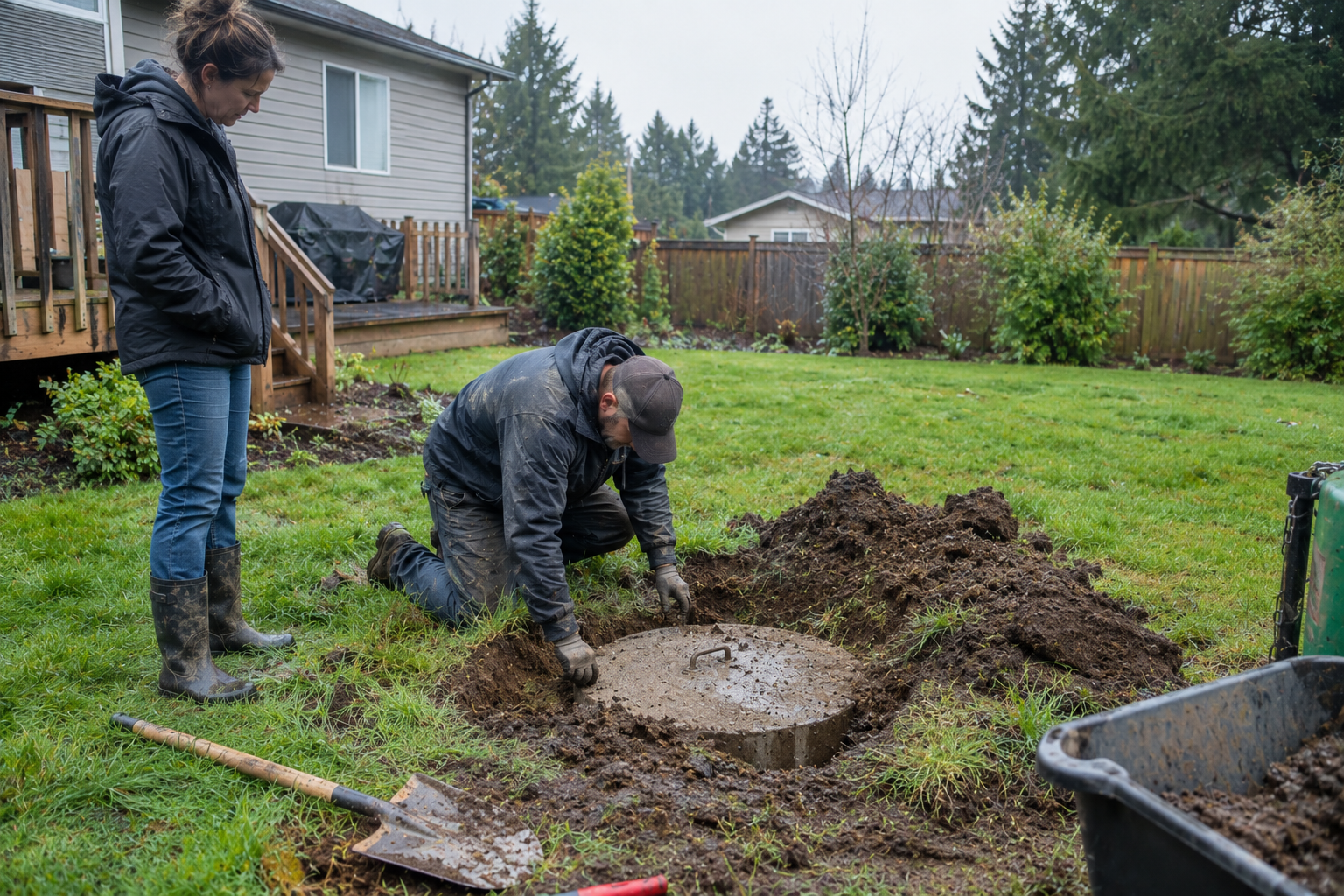
Tree roots can cause serious damage to your septic system over time. Avoid planting trees or shrubs with deep roots close to your septic tank or drain field. Thinking ahead about your landscaping is another basic step that helps your septic system.
9. Schedule Septic Inspections Before Problems Start
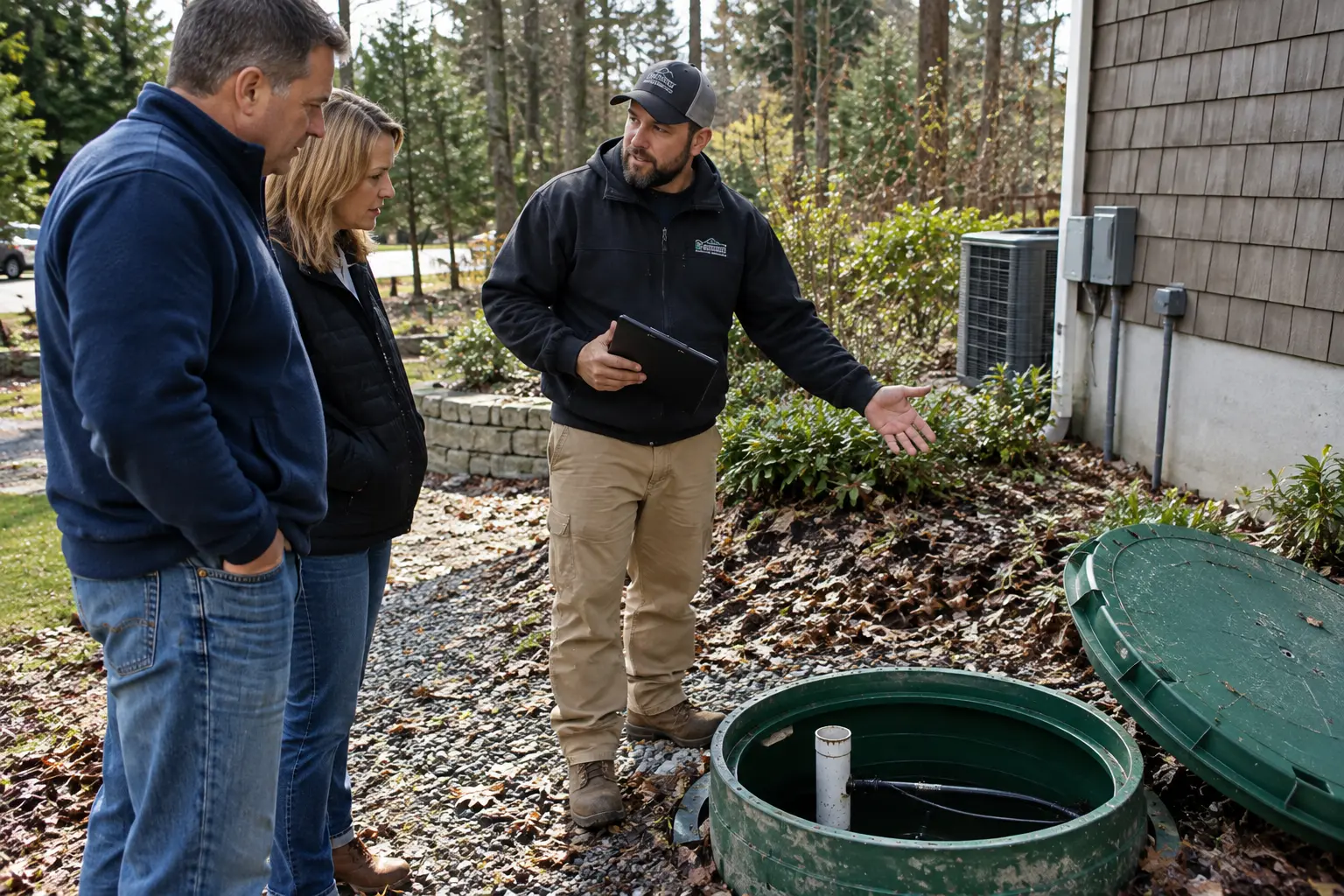
A professional septic inspection from Sterling Septic & Plumbing can help spot minor issues and correct them before they turn into major repairs. In Washington State, conventional gravity systems must be inspected at least every three years, while all other types require annual inspections
10. Keep Records of Septic Tank Care and Maintenance
It’s a good idea to keep track of when your tank is pumped, inspected, or repaired. Keeping these records helps you stay on schedule and gives you peace of mind. Plus, a property with a well-maintained septic system makes selling it easier.
When to Call a Professional for Septic Tank Care
Learning how to care for your septic tank isn’t hard. With a few simple habits and regular service, your septic system will deliver decades of service. Avoid the headaches and expenses that come with unexpected issues by taking care of your septic system.
If you notice slow drains, bad smells, standing water in your yard, or any signs of sewage backing up, it’s time to call a professional. Waiting too long can cause more damage to your system and your home. Play it safe—contact Sterling Septic & Plumbing for trusted septic services across Pierce, King, and Thurston Counties.