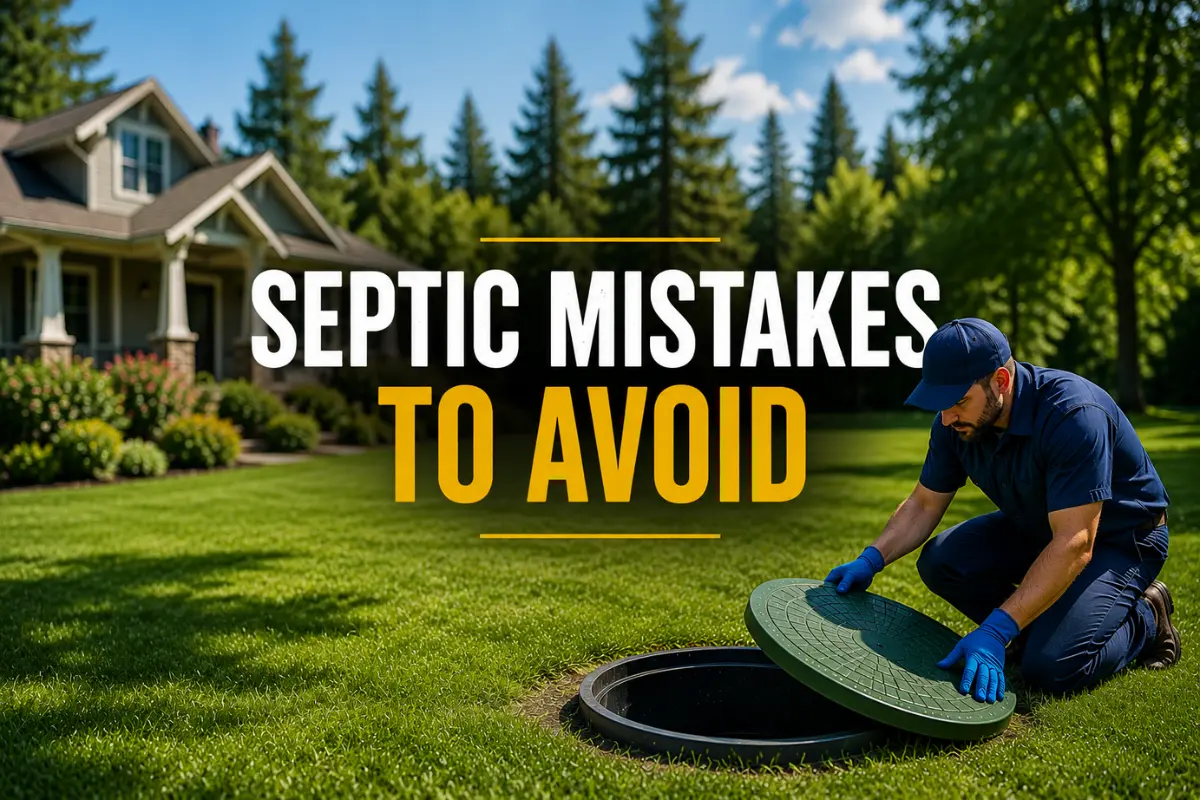
Your septic system is one of the most important parts of your home, yet many homeowners unknowingly make mistakes that can lead to expensive repairs, system failures, and even health hazards. A properly maintained septic system can last for decades, but neglect and improper use can significantly shorten its lifespan.
If you want to avoid costly septic repairs and keep your system operating efficiently, it’s important to understand the most common septic system mistakes and how to prevent them.
Why Proper Septic System Maintenance Matters
A septic system is designed to treat and dispose of household wastewater safely. When properly maintained, it works quietly in the background without causing problems. However, improper use, lack of maintenance, and preventable mistakes can lead to backups, drain field failures, unpleasant odors, and costly repairs.
By avoiding the following mistakes, homeowners can protect their investment and extend the life of their septic system.
1. Waiting Too Long Between Septic Tank Pumping
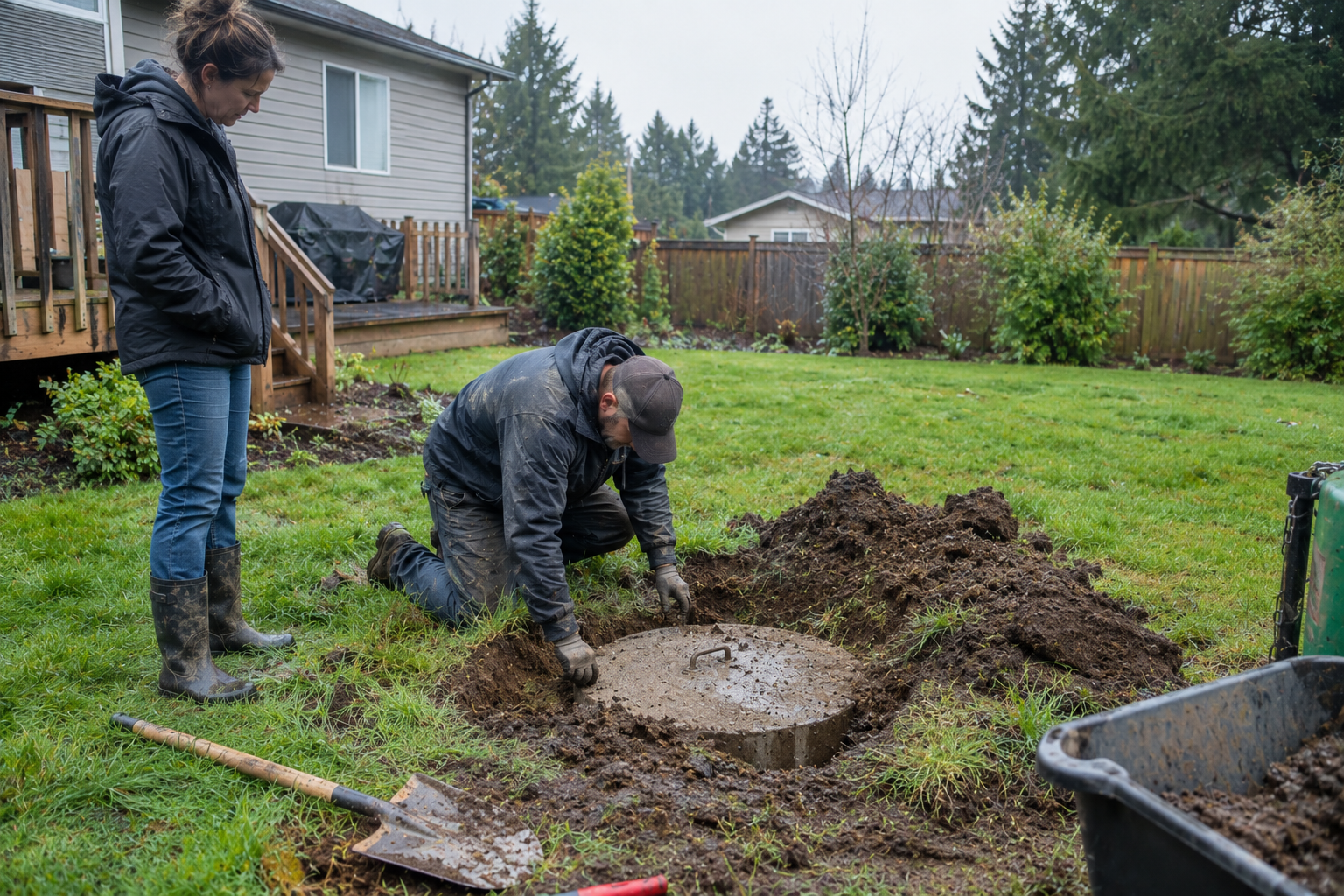
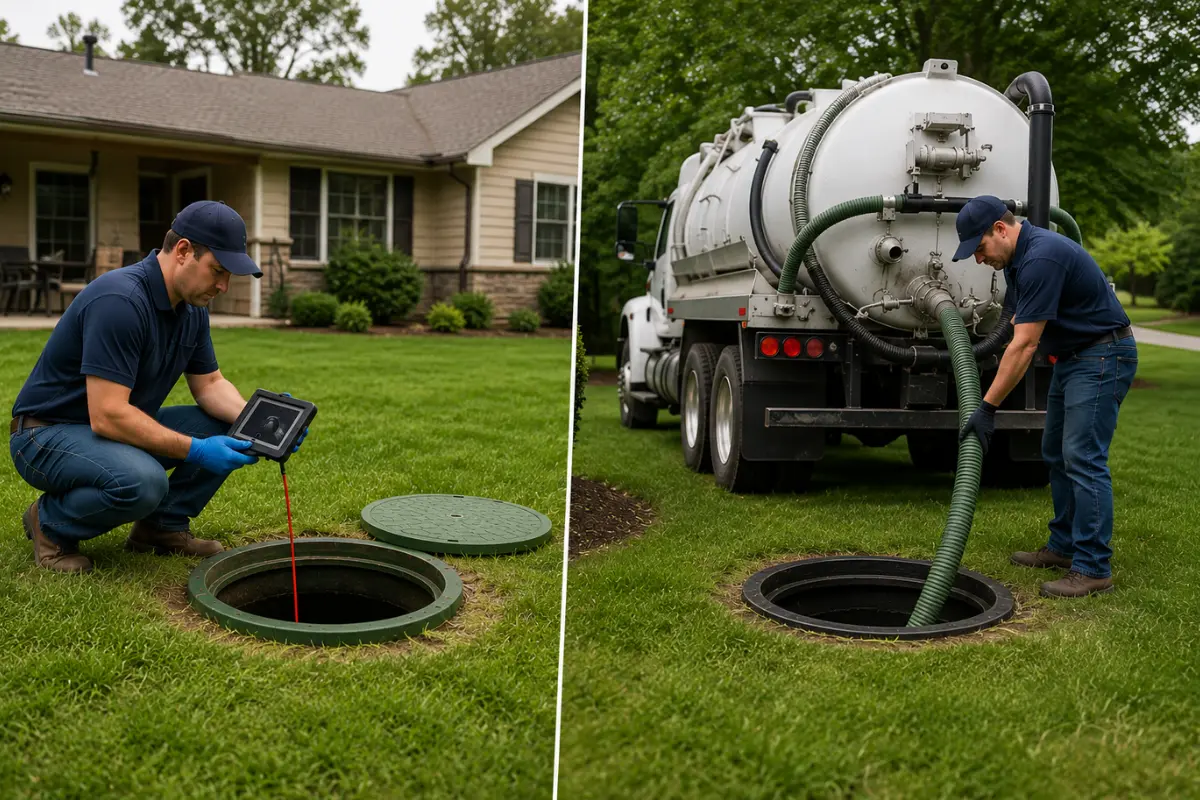
One of the best ways to avoid costly repairs is scheduling regular septic tank pumping before solids overflow into your drain field.
Warning Signs:
- Slow drains throughout the home
- Sewage odors near the tank
- Standing water around the drain field
- Frequent plumbing backups
2. Flushing Non-Biodegradable Items
Your septic system is not designed to process everything that goes down the toilet. Many products labeled as “flushable” do not break down properly and can contribute to clogs and system failures.
Never Flush:
- Baby wipes
- Paper towels
- Feminine hygiene products
- Cotton swabs
- Dental floss
- Diapers

Even products marketed as flushable can create significant septic tank problems over time.
3. Pouring Grease and Cooking Oil Down the Drain
Grease, fats, and cooking oils can harden inside pipes and septic tanks. These substances can restrict water flow and interfere with the natural bacterial processes that help break down waste.
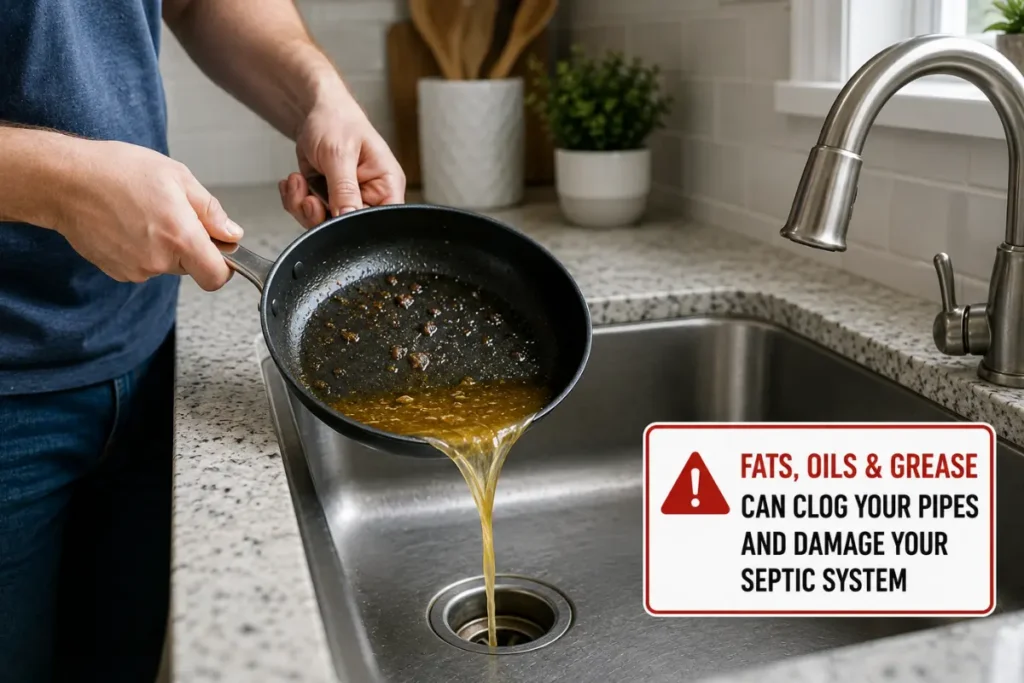
Instead of pouring grease down the drain, allow it to cool and dispose of it properly in the trash.
4. Using Excessive Household Chemicals
Many cleaning products contain chemicals that can disrupt the beneficial bacteria inside your septic tank. These bacteria play a critical role in breaking down waste and maintaining proper system function.
Excessive use of:
- Bleach
- Drain cleaners
- Disinfectants
- Antibacterial products
Can negatively impact septic system performance.
Choose septic-safe cleaning products whenever possible.
5. Ignoring Early Warning Signs
Small septic problems often become major repairs when ignored. If you notice slow drains or sewage odors, scheduling a professional septic inspection can help identify problems before they become major repairs.
Common Warning Signs Include:
- Gurgling pipes
- Slow-draining sinks
- Sewage odors
- Wet spots in the yard
- Unusually green grass near the drain field
Addressing these issues early can help prevent costly septic system repairs.
6. Parking Vehicles on the Drain Field
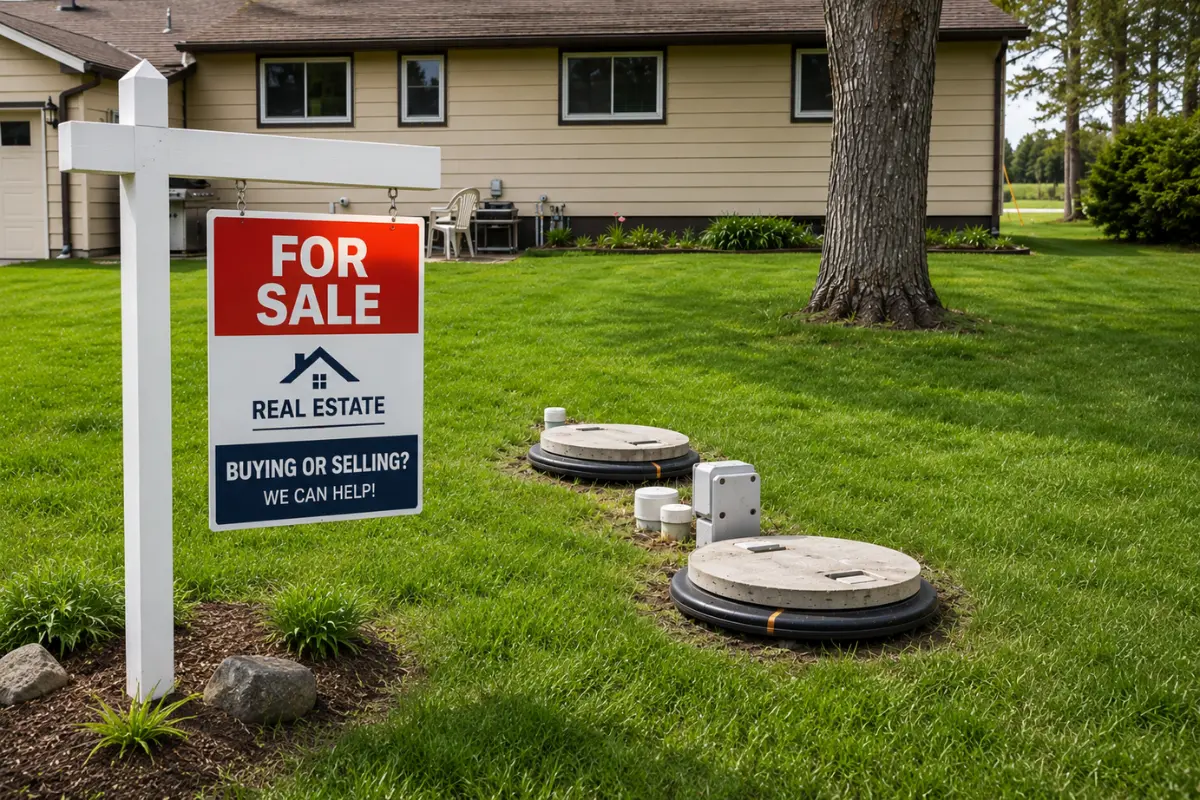
Your drain field is a critical component of the septic system. Parking vehicles, trailers, or heavy equipment over the drain field can compact the soil and damage underground pipes.
Compacted soil reduces the drain field’s ability to properly absorb and filter wastewater.
Always keep heavy vehicles away from septic components and designated drain field areas.
7. Planting Trees Too Close to the Septic System
Tree roots naturally seek moisture and can infiltrate septic pipes, tanks, and drain fields. Once roots enter the system, they can cause blockages, leaks, and structural damage.
Trees Known for Aggressive Root Systems:
- Willow trees
- Poplar trees
- Maple trees
- Birch trees
Before planting new landscaping, verify safe distances from your septic system.
8. Overloading the System with Excess Water
Excessive water use can overwhelm your septic system and reduce its effectiveness.
Common causes include:
- Running multiple loads of laundry in one day
- Leaking toilets
- Dripping faucets
- Long showers
- Excessive irrigation near the drain field
Spreading water usage throughout the week can help reduce strain on the system.
9. Skipping Routine Septic Inspections
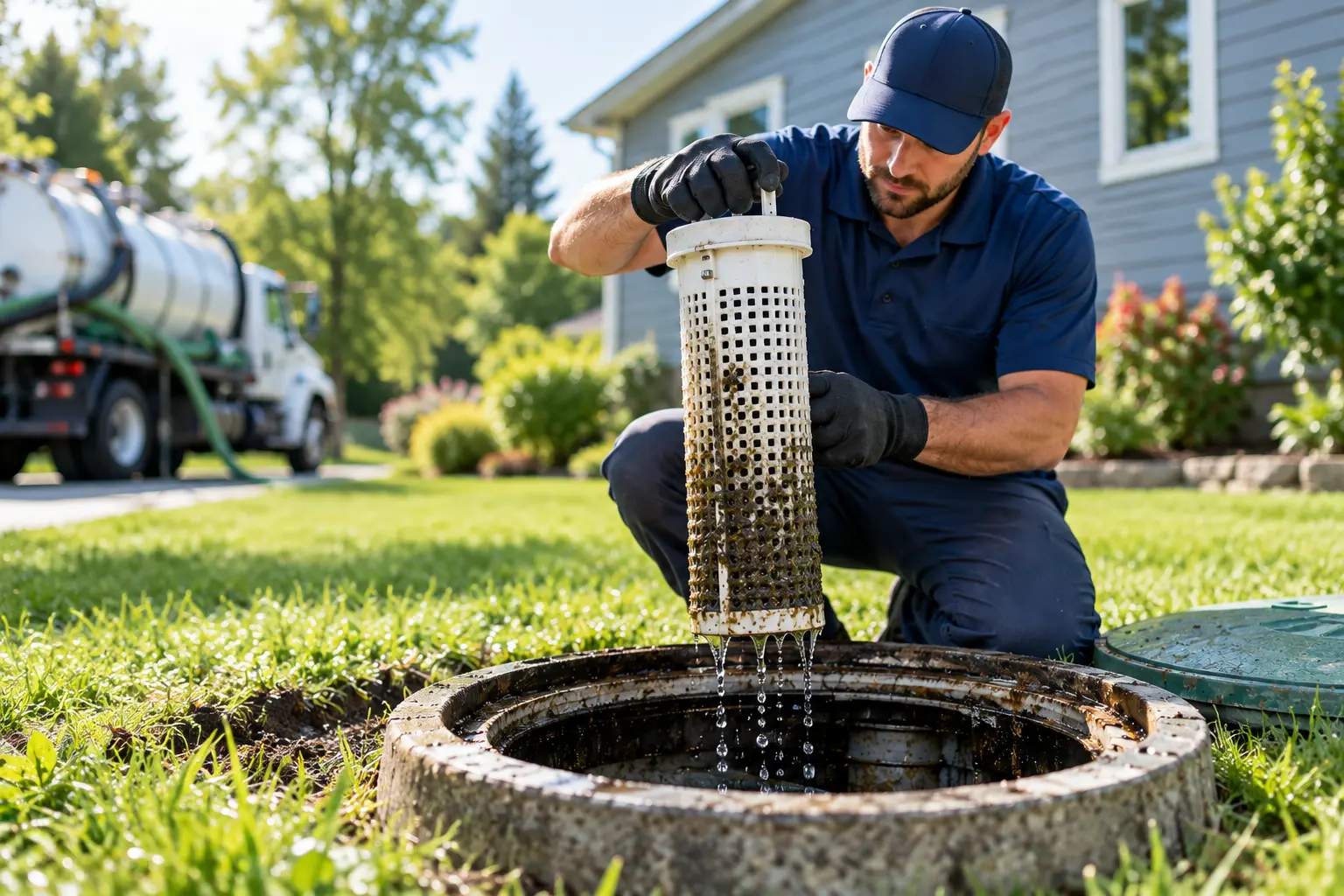
Regular septic inspections help identify small problems before they become major expenses. Professional inspections can uncover issues such as damaged baffles, excessive sludge buildup, drain field concerns, and early signs of system failure.
Many experts recommend septic inspections every one to three years, depending on system age and usage.
Routine inspections can save homeowners thousands of dollars in future repairs.
10. Attempting DIY Septic Repairs
While some home maintenance tasks can be handled without professional assistance, septic system repairs should be left to qualified professionals.
Improper repairs can:
- Violate local regulations
- Cause environmental contamination
- Create health hazards
- Increase repair costs
Complex septic issues should be handled by experienced technicians who provide septic repair services to ensure long-term system performance.
How to Protect Your Septic System for the Long Term
Maintaining a healthy septic system does not have to be complicated. Following a few simple best practices can significantly extend the life of your system.
Septic Maintenance Tips:
- Schedule regular septic tank pumping
- Conserve water whenever possible
- Use septic-safe cleaning products
- Avoid flushing non-biodegradable materials
- Keep vehicles off the drain field
- Schedule routine inspections
- Address warning signs immediately
A proactive approach to septic maintenance can help prevent unexpected breakdowns and costly repairs.
Need Professional Septic Service?
If you are experiencing septic issues, don’t wait for the problem to get worse. Contact Sterling Septic & Plumbing today to schedule septic service, professional maintenance, and inspections can help protect your property and avoid expensive repairs.
A little prevention today can save thousands of dollars in repairs tomorrow.
Septic System FAQs for Homeowners
What is the most common cause of septic system failure?
Lack of regular maintenance and delayed septic tank pumping are among the leading causes of septic system failure.
Can heavy rain damage a septic system?
Excessive rainfall can saturate the drain field and reduce its ability to properly treat wastewater.
Are flushable wipes safe for septic systems?
No. Even products labeled as flushable can contribute to clogs and septic system problems.