The 2027 septic inspection rule in Washington is something homeowners planning to buy or sell a property with a septic system should know about. The new statewide property transfer inspection requirement takes effect on February 1, 2027.
That is when Washington’s new statewide property transfer inspection requirement for on-site sewage systems takes effect. Under the updated state rule, septic systems generally must be inspected by an authorized third-party inspector when the property changes ownership, although local health jurisdictions can provide certain exceptions or additional requirements.
For homeowners in Pierce, Thurston, and King Counties, however, there is an important detail: some local requirements already apply to septic systems during a home sale. So if you are thinking about selling in the next year or two, waiting until 2027 may not be necessary or practical.
Here is what Washington homeowners and home buyers should know.
What Is the 2027 Septic Inspection Rule in Washington?
Washington has updated its statewide on-site sewage system rules, commonly referred to as the septic system rules.
Most of the updated requirements took effect earlier, but the property transfer inspection requirement is scheduled to take effect February 1, 2027.
Under WAC 246-272A-0270, beginning February 1, 2027, the property owner must obtain an inspection at the time of property transfer from a third-party inspector authorized by the local health officer. The inspection results must then be submitted to the local health jurisdiction using its approved reporting process.
There is also an important exception built into the rule. A local health officer may remove the requirement for a separate transfer inspection when the local jurisdiction has evidence that the system is already in compliance with its regular inspection requirements and has recently been inspected by an authorized third-party inspector.
That means the exact process can still depend on where the property is located and what the local health jurisdiction requires.
Understanding the septic inspection rule is especially important if you are planning to buy or sell a home with a septic system.
Why Home Sellers Should Pay Attention
Imagine you are getting ready to sell your home in Puyallup.
The house is cleaned. The landscaping looks good. Your real estate agent has the listing ready. You are thinking about paint, photographs, and the moving truck.
Then someone asks:
“When was the septic system last inspected?”
You check your records.
Nothing.
You are not even completely sure where all the septic components are located.
That is when a simple home sale can become more complicated.
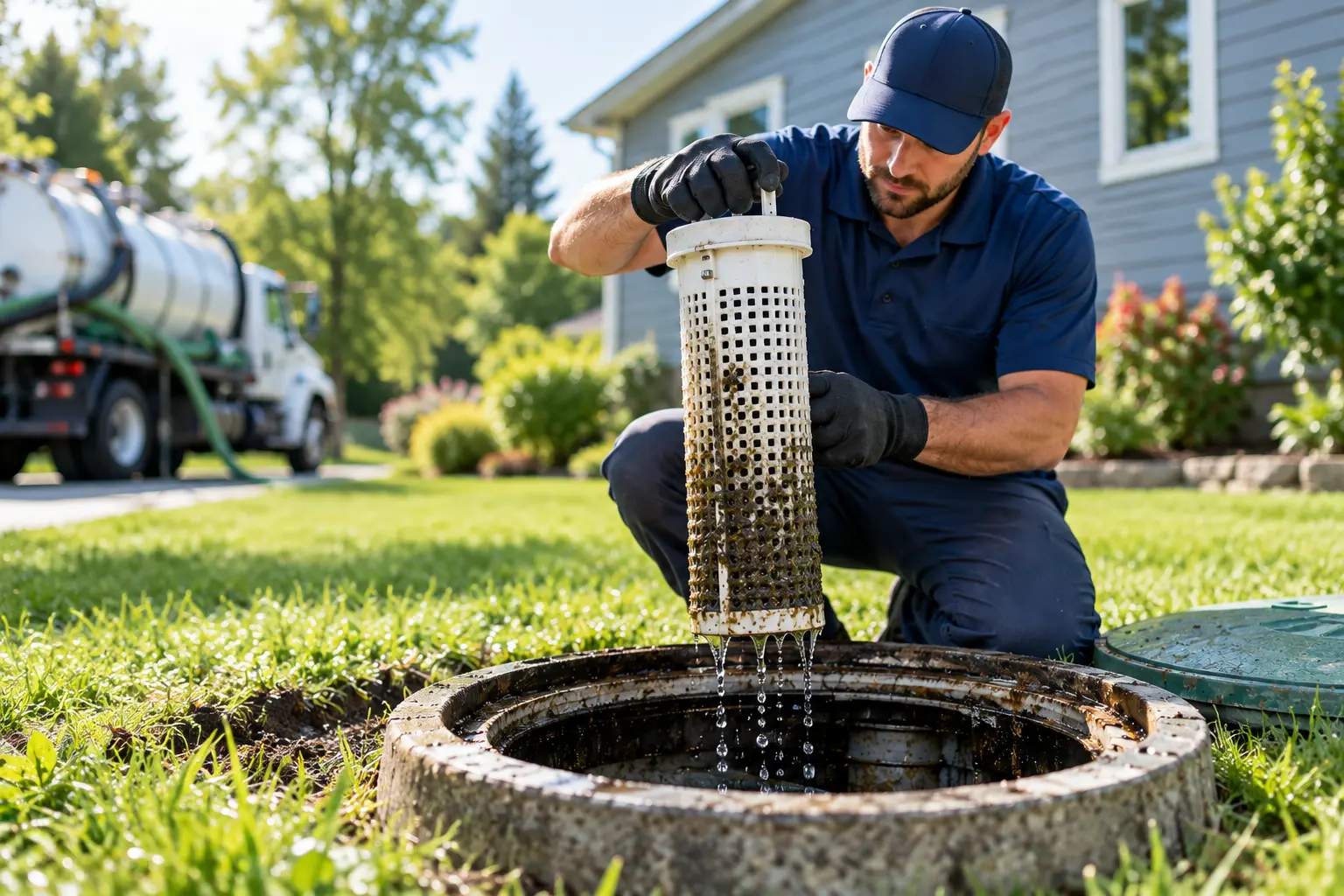
A septic inspection can uncover issues such as damaged tank components, problems with the drainfield, missing or damaged lids, high solids levels, or other conditions that need attention. Washington’s inspection requirements specifically include the tanks, baffles, effluent filters, tank contents, lids, accesses, risers, drainfield/reserve areas, and other system components.
Finding those issues before you are deep into a real estate transaction gives you more time to understand what needs to happen.
Does the 2027 Rule Apply to Every Septic Home Sale?
The statewide rule is designed to apply to properties served by an on-site sewage system (OSS) when ownership is transferred.
But there is an important distinction for homeowners in Western Washington:
Statewide rules and local requirements are not always the same.
Local health jurisdictions can have their own established processes and can require additional inspections or information. The state rule specifically allows local health officers to verify inspection results and require additional inspections or other requirements.
So a homeowner in Puyallup may have a different process from someone selling a property in Olympia or another Washington community.
That is why checking your county’s current requirements is important.
What About Pierce County?
If your property is in Pierce County, you may already be familiar with the county’s septic sale requirements.
The Tacoma-Pierce County Health Department currently requires a Report of System Status (RSS) when selling a home with a septic system. The process involves having the septic system inspected and tanks pumped, followed by an application and Health Department review.
The Health Department recommends starting the process early. Its current guidance says the RSS is valid for one year once issued, although homeowners should always check the current county requirements before relying on a previous report for a particular transaction.
So if you live in Puyallup or elsewhere in Pierce County, the 2027 statewide change does not mean septic sale inspections suddenly start from zero in 2027. Pierce County already has a property-sale inspection process.
What About Thurston County?
Thurston County also already has a Time of Transfer process for homes with septic systems.
According to Thurston County, a septic system must be pumped and inspected by a Thurston County-certified septic professional before the Time of Transfer application is submitted. The county also requires a sketch of the septic system as part of the application.
The county states that the system must have been inspected and all tanks pumped within the previous 12 months before submitting a Time of Transfer application.
So for a homeowner in Olympia, Lacey, Tumwater, or another part of Thurston County, the practical takeaway is simple:
Do not wait until the statewide 2027 date to learn how your local process works.
What About King County?
King County already requires septic systems to be inspected before a property with an on-site sewage system transfers title.
The county says sellers need to schedule the inspection with a certified on-site system maintainer. There are also specific circumstances in which an inspection can be waived, such as certain recent monitoring reports or qualifying new systems.
King County also has an established process for the buyer after the transfer, including the required operation and maintenance program fee and information about maintaining the septic system.
Again, this means the 2027 statewide rule should be viewed alongside not instead of the local requirements already in place.
What Does a Septic Property Transfer Inspection Check?
This is more than someone simply opening the septic tank and looking inside.
Under Washington’s updated inspection standard, the inspection must include evaluation of several parts of the system.
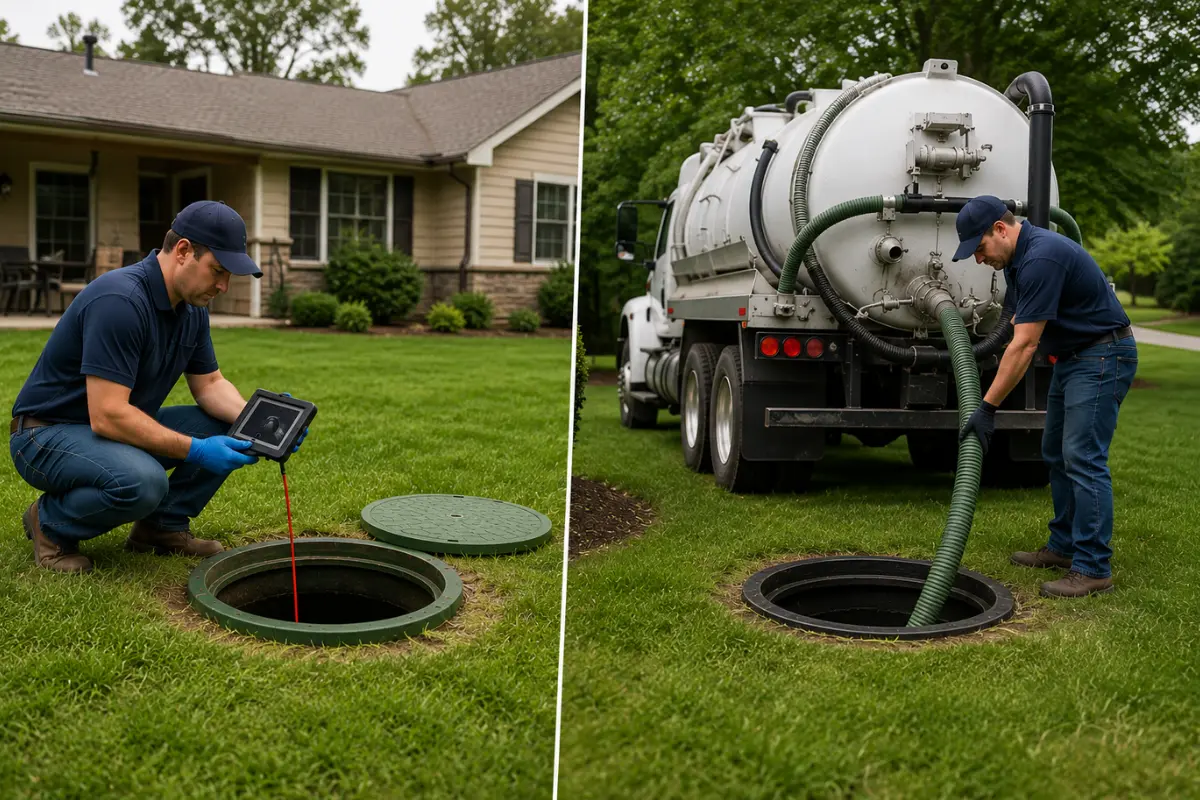
Depending on the property and system, the inspection can include:
- Septic and pump tanks
- Baffles
- Effluent filters
- Water, scum, sludge, and solids levels
- Tank watertightness
- General tank condition
- Lids, accesses, and risers
- Drainfield and reserve area
- Distribution components
- Signs of system failure
- Existing record drawings and related documents
- Proprietary treatment equipment, where applicable
The inspection report must also include information such as the property address, inspection date, known system type and design flow, and verification of the record drawing or a site plan showing system components.
That last part can become especially important for older properties where nobody is quite sure where the septic tank or drainfield is located.
What If the Inspection Finds a Problem?
This is probably the part that makes sellers nervous.
A septic inspection does not automatically mean the sale is canceled.
What happens after a problem is found depends on the type of issue, local requirements, and the circumstances of the property.
Washington’s rule allows the local health officer to require a compliance schedule for repairs when a failure is discovered during a property transfer inspection.
Local county processes can also have their own procedures.
For example, Thurston County explains that deficiencies can include issues such as broken baffles, malfunctioning pumps, damaged monitoring ports, clean-outs or risers, or systems that are not properly sized. More serious failures can require immediate attention.
The important thing is to find out what the problem actually is before assuming the worst.
A missing riser and a failing drainfield are very different problems.
What Should Sellers Do Before Listing a Septic Home?
If you are planning to sell a home in Pierce, Thurston, or King County, give yourself some breathing room.
1. Find your septic records
Look for:
- Original septic permits
- Record drawings
- Previous inspection reports
- Pumping records
- Repair records
- Maintenance records
If you do not have them, your local health department may have records available.
2. Find the septic tank
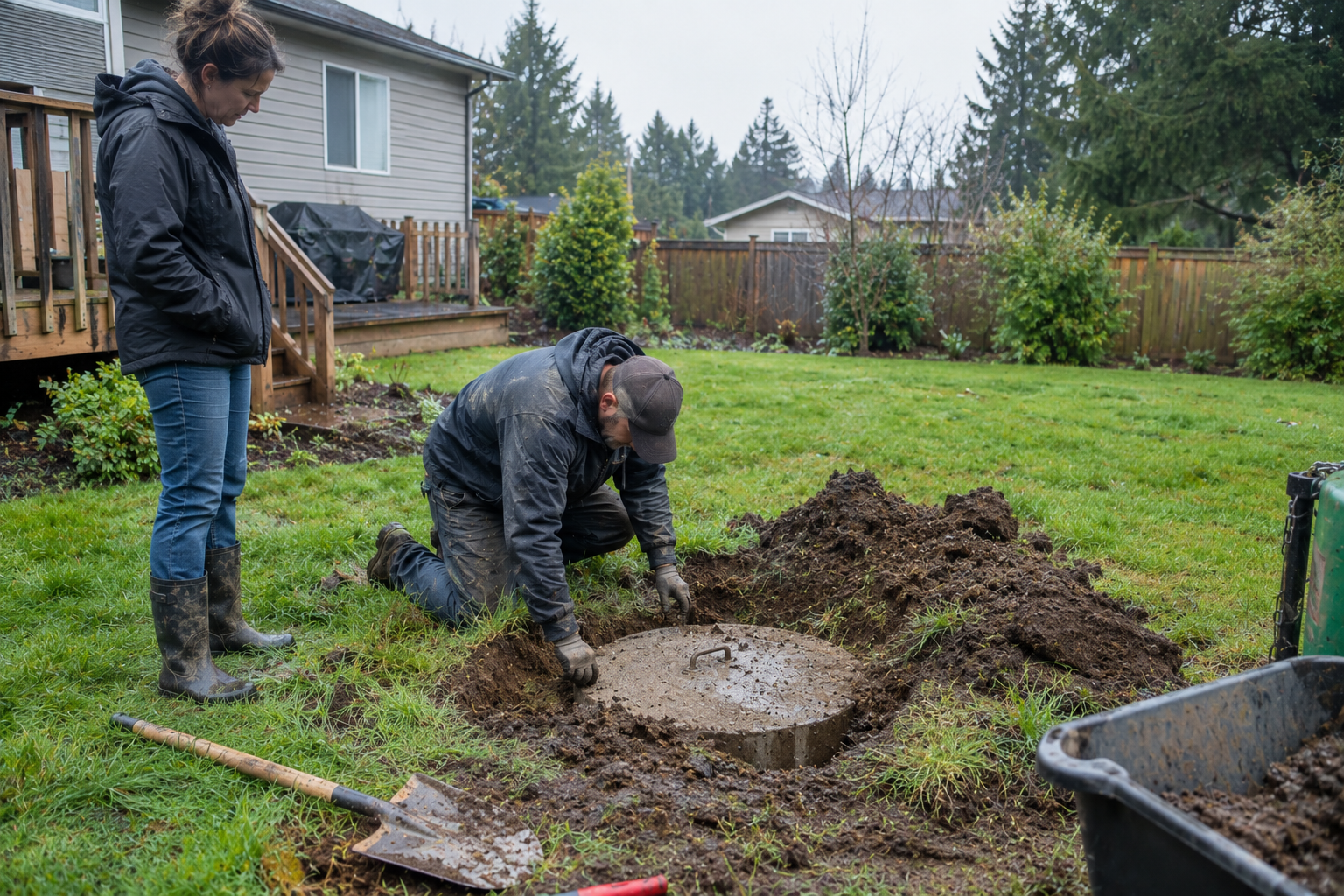
If you cannot point to the tank in your yard, do not wait until the week before closing to figure it out.
Buried tanks can take time to locate and expose.
This is one reason a septic tank riser can make future inspections and pumping much easier.
3. Check when the system was last inspected
Do not assume that a recent pumping automatically means you have a recent inspection.
They are different services.
4. Contact a qualified septic professional
Ask specifically for an inspection related to a property sale and explain which county the property is in.
5. Check your county’s current requirements
This is especially important because Pierce, Thurston, and King Counties already have their own septic-related transfer processes.
What Should Buyers Know About the 2027 Rule?
If you are buying a home with a septic system, the new inspection requirement gives you another source of information about the condition of the system.
But an inspection report should not be treated as a guarantee that a septic system will never have problems.
A septic system is an underground wastewater treatment system with components that can age, wear out, or require maintenance.
Buyers should pay attention to:
- The age of the septic system
- Previous inspection reports
- Pumping history
- Repairs or replacements
- Drainfield condition
- Tank condition
- Location of the system
- Maintenance requirements
- Any outstanding deficiencies
- Whether the system is properly sized for the home
Washington’s seller disclosure requirements also include questions about an on-site sewage system, including its last pumping, last inspection, known operating defects, approved bedroom count, and previous changes or repairs.
A Septic Inspection Is Not the Same as Septic Pumping
This causes confusion for a lot of homeowners.
Pumping removes accumulated solids from the septic tank.
Inspection evaluates the condition and operation of the septic system.
You may need both during a property sale, depending on your county’s requirements.
For example, Pierce County’s current property-sale process requires the septic tanks to be pumped as part of the inspection process.
If you are unsure what your property needs, it is better to ask before scheduling the work rather than assuming one service covers everything.
Why 2026 Is a Good Time to Prepare
February 1, 2027 might sound far away.
For someone selling a home, it really is not.
A septic inspection can uncover something that needs further investigation. If repairs are necessary, you may need additional time for permits, contractors, estimates, or county review.
And if your septic tank is buried under the lawn, landscaping, a patio, or other improvements, simply getting access can take extra work.
Getting familiar with your septic records now can make the eventual home sale much less stressful.
What Pierce, Thurston, and King County Homeowners Should Remember
The biggest takeaway is not simply “there is a new septic rule in 2027.”
It is this:
Washington is establishing a statewide property-transfer inspection requirement beginning February 1, 2027, but several local jurisdictions already have septic inspection requirements connected to property sales.
So if you own a septic home in Puyallup, Tacoma, Olympia, Lacey, Kent, Auburn, or another community in these counties, check your local requirements before putting the property on the market.
A little preparation can help you avoid discovering a septic problem at the same time you are trying to close on your home.
When Should You Call a Septic Professional?
Consider scheduling a professional septic inspection if:
- You are preparing to sell your home.
- You do not know where your septic tank is.
- You cannot find your septic records.
- Your last inspection was several years ago.
- You notice sewage odors or wet areas near the drainfield.
- Drains are backing up or draining slowly.
- Your septic tank has damaged or difficult-to-access lids.
- You are unsure whether your system meets current local requirements.
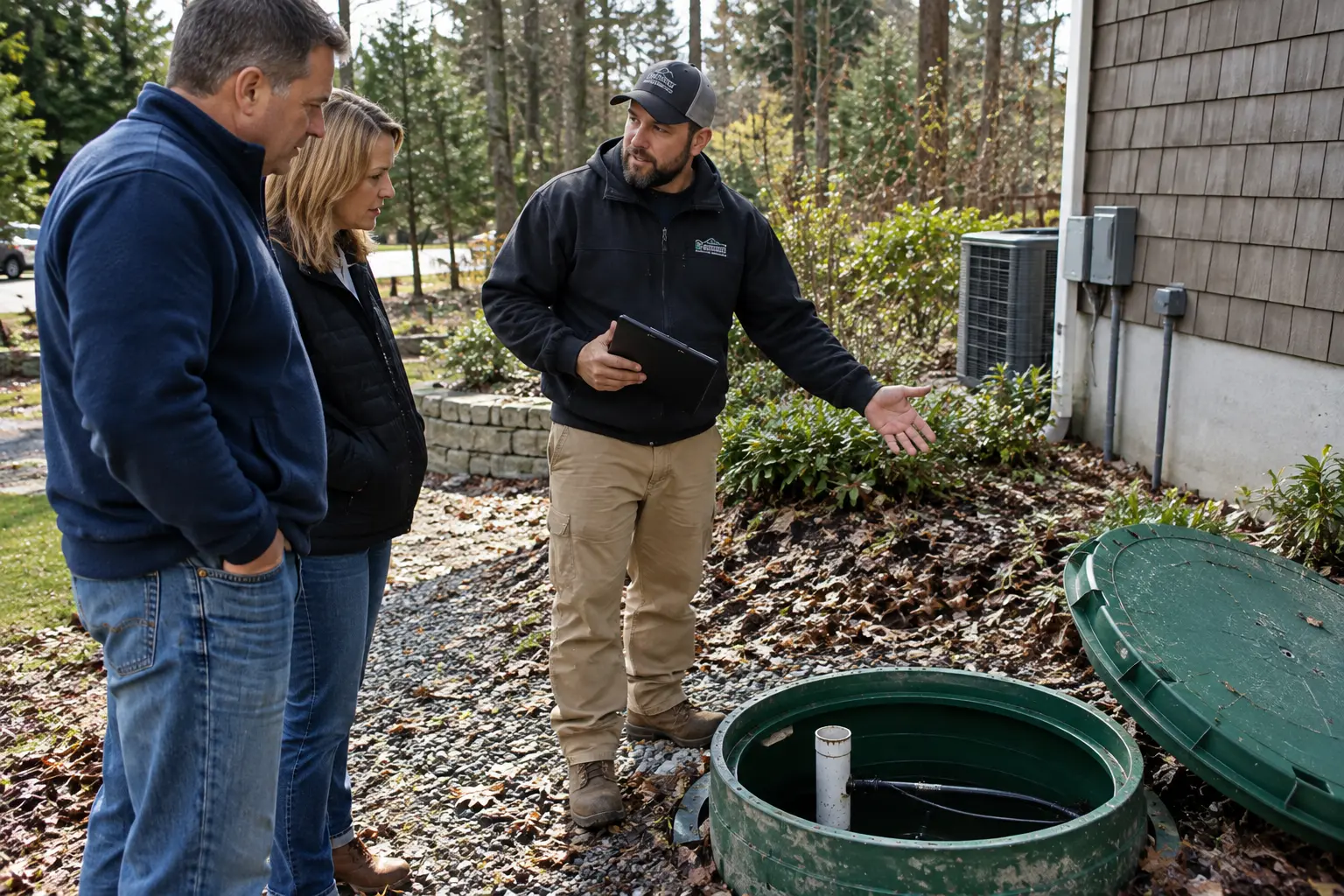
A professional can help determine what condition your system is in and what steps may be needed before a property transfer.
Planning to Sell a Home With a Septic System?
If you are preparing to sell a septic property in Pierce, Thurston, or King County, do not wait until the closing date to start thinking about the septic system.
Start by finding your records, locating the system, checking your county’s current requirements, and scheduling the appropriate inspection.
Need help with septic inspections, pumping, or repairs?
Call Sterling Septic & Plumbing LLC at 253-676-9246. Their local septic professionals can help you understand what your system may need before a home sale.
Frequently Asked Questions
Does Washington require a septic inspection when selling a home?
Beginning February 1, 2027, Washington’s statewide on-site sewage system rule requires a property transfer inspection by an authorized third-party inspector, subject to provisions that allow local health jurisdictions to remove the requirement in certain circumstances.
Does Pierce County already require a septic inspection when selling?
Yes. Pierce County currently uses a Report of System Status (RSS) process for homes with septic systems being sold. The current process includes septic inspection and tank pumping.
Does Thurston County require a septic inspection before selling?
Yes. Thurston County currently has a Time of Transfer process requiring the septic system to be pumped and inspected before the application is submitted.
Does King County require a septic inspection when selling?
Yes. King County currently requires septic systems to be inspected before transfer of title, although certain waivers and exceptions are available.
Does a septic inspection mean the tank must be pumped?
Not necessarily under every circumstance. Requirements vary by local jurisdiction and situation. For example, Pierce County’s current property-sale process requires tanks to be pumped as part of the inspection process.
Who pays for the septic inspection?
The person responsible for arranging and paying for an inspection can depend on the transaction and local requirements. Buyers and sellers should clarify this in their purchase agreement and with the applicable county or health jurisdiction.