If you own a home in Pierce County with a septic system, there is a good chance you have asked yourself this question:
“When was my last septic inspection?”
If you had to stop and think about it, you are not alone.
Septic systems are easy to forget about when everything is working normally. The toilets flush, the showers drain, and there is nothing unusual happening in the yard. So it is easy to assume everything is fine.
But most of your septic system is underground. You cannot see what is happening inside the tank or around the drainfield just by looking at your yard.
That is why regular septic inspections are important. If you are unsure when your next septic inspection Pierce County homeowners need is due, check your septic records or speak with a qualified septic professional.
For many conventional gravity systems in Pierce County, the general inspection requirement is at least once every three years. However, some qualifying homeowners may now be able to move to a five-year inspection schedule through Pierce County’s reduced-frequency program. The schedule can also be different depending on the type of septic system you have.
So, let’s break it down.
How Often Is a Septic Inspection Required in Pierce County?
For a typical gravity septic system, Washington’s general requirement is an inspection at least once every three years.
However, not every septic system in Pierce County is the same.
Some systems use pumps or other treatment components and may require more frequent inspections. Your property’s septic records can tell you what type of system you have and what maintenance schedule applies.
There is also a newer option for some Pierce County homeowners.
The Tacoma-Pierce County Health Department has a reduced inspection frequency program that can allow qualifying gravity and pump-to-gravity systems to move from a three-year schedule to once every five years.
There are requirements to qualify, so homeowners should not simply assume they can wait five years.
Why Are Septic Inspections Necessary?
Think about your septic system like the plumbing inside your house.
You probably would not wait for a pipe to completely burst before checking for a plumbing problem.
The same idea applies to your septic system.
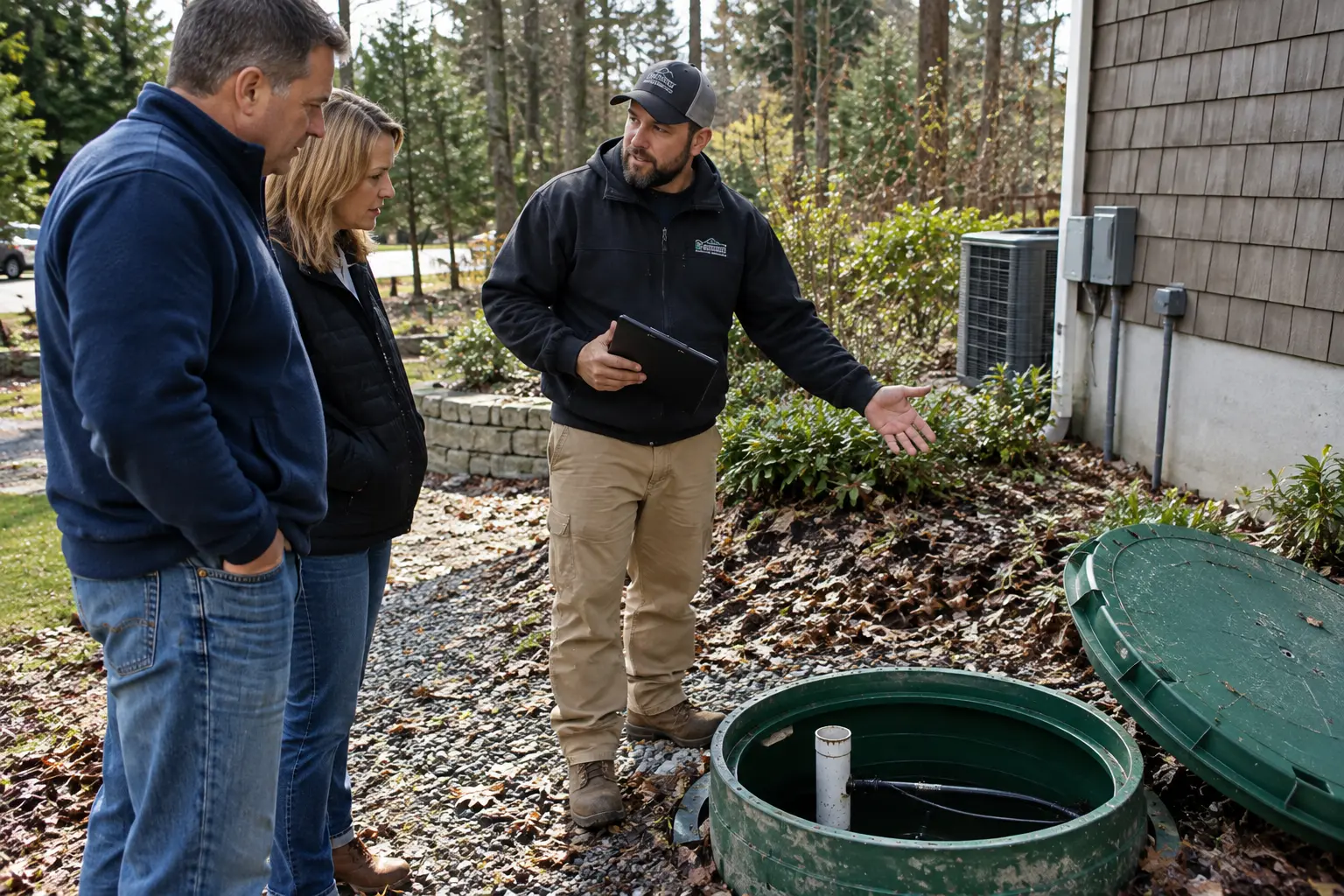
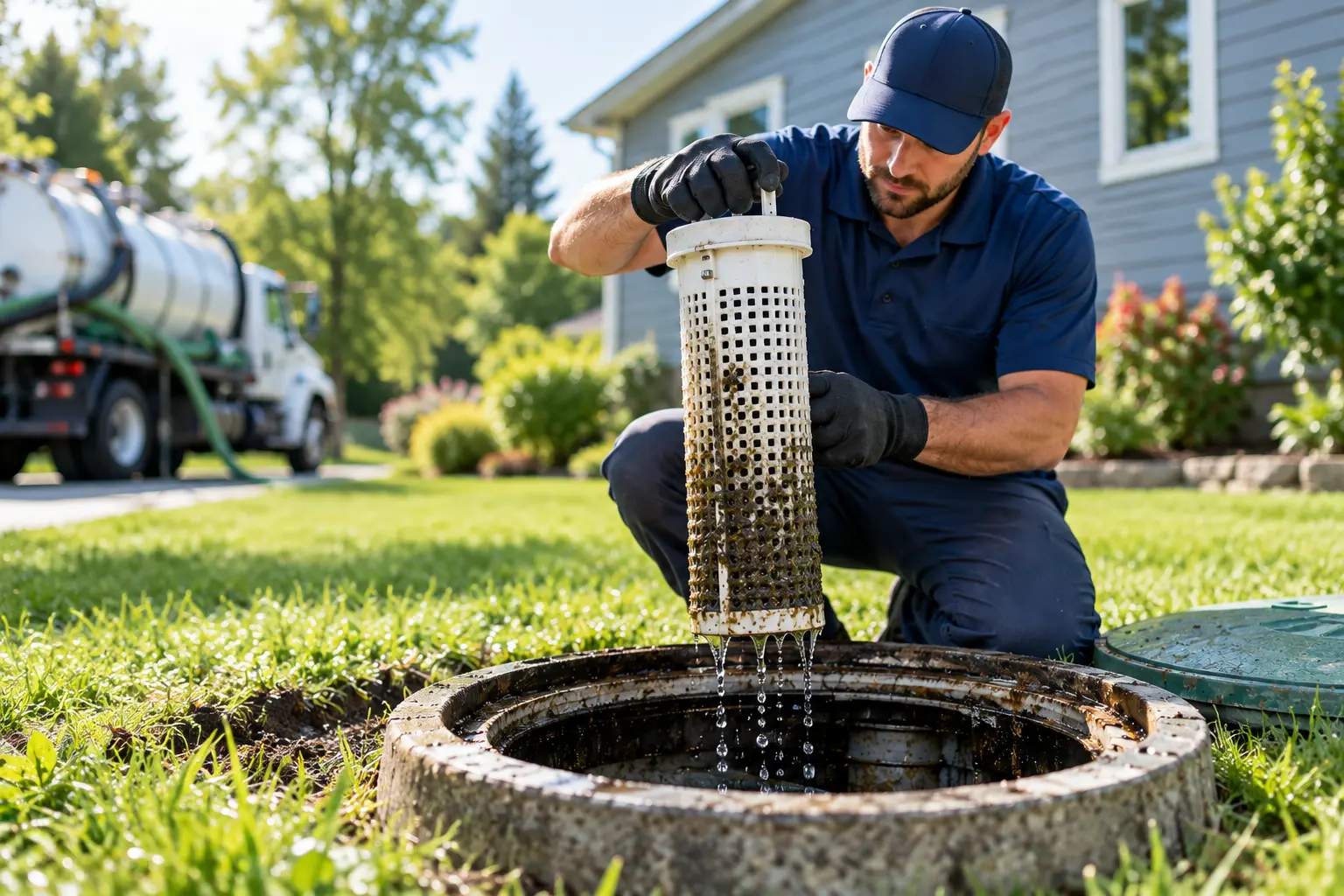
During an inspection, a qualified professional can check the condition and operation of important parts of the system and identify problems that may not be visible from the surface.
A small issue found during a routine inspection may be much easier to deal with than a failed drainfield or sewage backup later.
And in Pierce County, where many homes depend on septic systems, keeping up with maintenance is an important part of protecting both your property and the surrounding environment.
What Type of Septic System Do You Have?
This is something many homeowners do not know.
You may have a conventional gravity system. Your neighbor might have a pressure distribution system. Another home may use a mound or another type of treatment system.
The maintenance requirements are not necessarily the same.
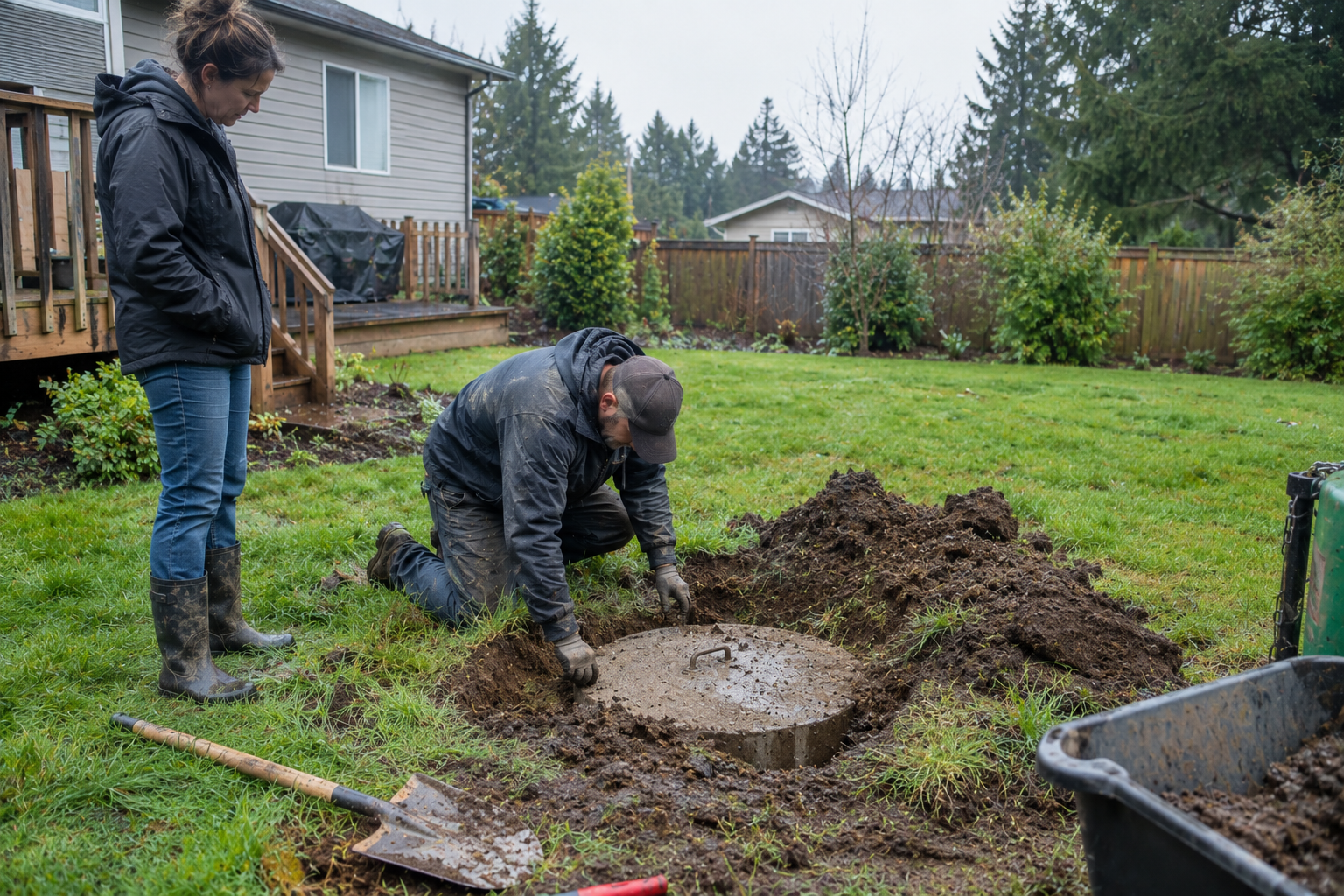
If you recently bought your home and do not know what system is installed, check your septic records. Pierce County property records can often provide useful information about the system.
Knowing your system type is the first step toward knowing how often it needs to be inspected.
Can You Really Wait Five Years Between Inspections?
For some homeowners, yes—but only if they qualify for Pierce County’s reduced-frequency program.
The Tacoma-Pierce County Health Department says qualifying homeowners with certain gravity or pump-to-gravity systems may reduce their inspection frequency from three years to five years.
There are conditions.
Homeowners need to meet the program’s requirements, complete the required training, understand how to monitor their system, and have the necessary site-specific information.
So if you have heard that Pierce County now allows five-year inspections, do not assume it automatically applies to your property.
Check your eligibility first.
What Does a Septic Inspection Actually Check?
A septic inspection is not simply someone opening the tank and looking inside.
Depending on your system, the inspection may involve checking the septic tank, pumps, treatment components, distribution system, and drainfield.
The inspector is looking for signs that the system is operating properly and for problems that may need attention.
Sometimes everything looks good.
Sometimes the inspection catches something that the homeowner had no idea was happening.
That is one of the main reasons routine inspections are useful.
Septic Inspection Is Not the Same as Septic Pumping
This causes a lot of confusion.
Inspection and pumping are two different things.
An inspection looks at the condition and operation of the system.
Pumping removes accumulated solids from the septic tank.
You may need both, but one does not replace the other.
If you want to understand the difference, we have covered it in more detail in our guide to septic inspection vs. septic pumping.
What Happens If You Skip an Inspection?
The frustrating thing about septic problems is that you may not know there is a problem until it becomes obvious.
You might eventually notice:
- Slow drains
- Gurgling toilets or pipes
- Sewage odors
- Wet areas around the drainfield
- Unusually green or fast-growing grass
- Sewage surfacing in the yard
- Wastewater backing up into the house
You do not want to wait until sewage is coming back through a toilet to find out that your septic system needed attention months earlier.
If you notice something unusual, have it checked.
What About a Septic Inspection When Selling a Home?
This is another important point for Pierce County homeowners.
A routine septic inspection and a property-sale inspection are not necessarily the same thing.
Pierce County has a Report of System Status process for properties with septic systems being sold.
So, if you are planning to sell your home, do not assume that your last routine inspection automatically satisfies the county’s requirements for the sale.
It is better to start the process early.
You can also read our guide on buying or selling a home with a septic system for more information.
A Simple Example
Let’s say you own a home in Puyallup.
You moved in several years ago and were told the septic system was in good condition. Since then, you have not had any problems.
No odors.
No backups.
Nothing unusual in the yard.
It would be easy to forget about the septic system completely.
But then you look through your paperwork and realize you cannot remember when it was last inspected.
That is a good time to check.
Find your septic records. Find out what type of system you have. Check when the last inspection was completed and when the next one is due.
It is a much easier problem to solve when you are looking at paperwork rather than standing in the yard with wastewater coming out of the ground.
Keep Your Septic Records
One of the simplest things you can do as a septic homeowner is keep your records in one place.
Save your:
- Inspection reports
- Pumping records
- Repair invoices
- Septic system drawings
- Permits
- Maintenance records
This information can be useful when you need service, when something goes wrong, or when you eventually sell the property.
When Should You Call a Septic Professional?
You do not have to wait until your scheduled inspection if something does not look right.
Call a septic professional if you notice sewage odors, standing water, repeated backups, unusually wet areas around the drainfield, or other changes in how your system is working.
And if you simply do not know when your septic inspection is due, that is a good reason to check your records and ask a professional.
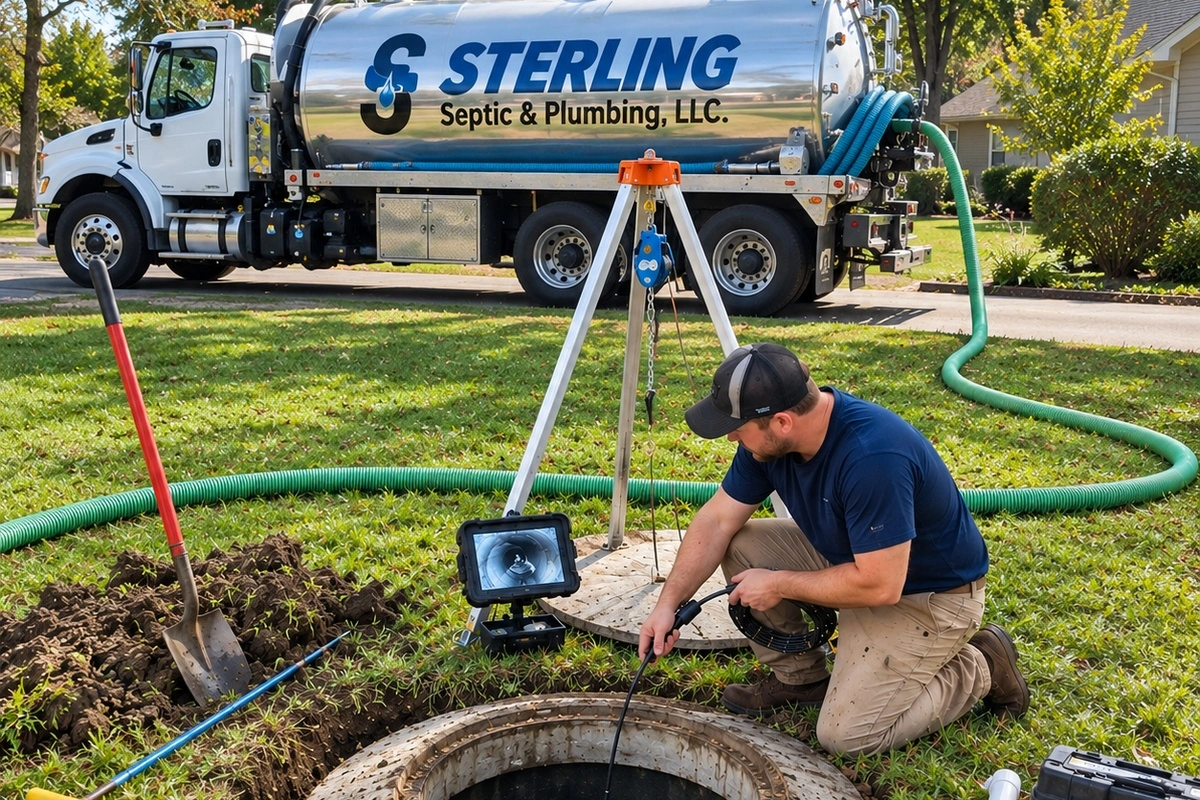
Sterling Septic & Plumbing LLC provides septic inspection services in Pierce County and can help you determine what your system needs.
Final Thoughts
So, how often do you need a septic inspection in Pierce County?
For many gravity systems, the general requirement is at least every three years.
Some qualifying gravity and pump-to-gravity systems may be eligible for a five-year inspection schedule through Pierce County’s reduced-frequency program.
Other systems may have different requirements.
The best thing you can do is find out what type of system you have, keep your records, and follow the inspection schedule that applies to your property.
Your septic system may be out of sight, but it should not be out of mind.
Need a Septic Inspection in Pierce County?
Not sure when your septic system was last inspected?
Sterling Septic & Plumbing LLC can help with septic inspections, pumping, and repairs throughout Pierce County.
Call 253-676-9246 to schedule service or ask about your septic system.