Heavy rain is common across our area, especially during the fall and winter months, and can lead to septic system problems. When the ground becomes saturated, it disrupts the wastewater process. Understanding how rain affects septic systems helps you spot problems early, allowing you to call in expert Pierce County septic services before things get worse.
Common Septic Problems Caused by Heavy Rain in Pierce County
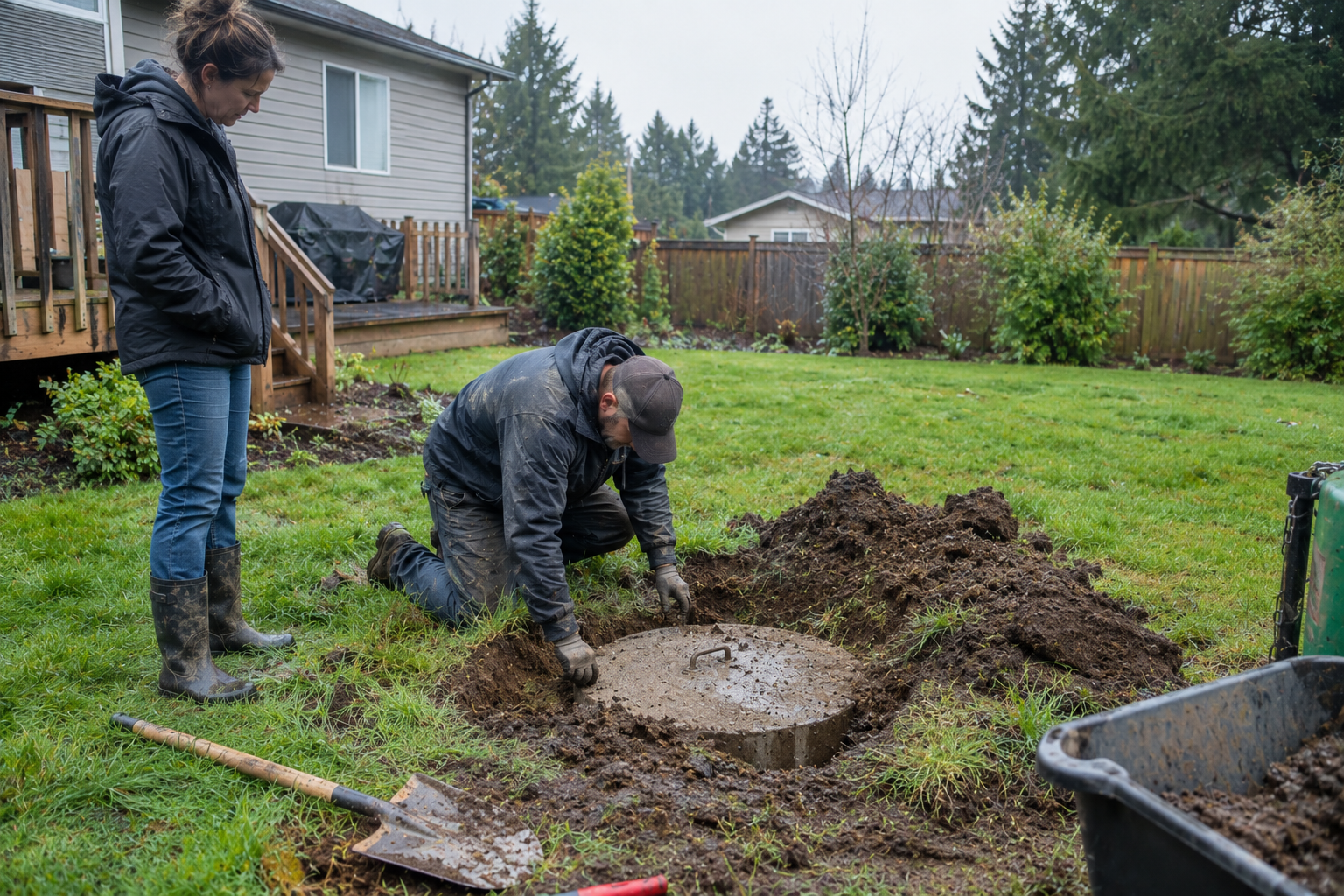
Saturated soil around a septic system can lead to tank overflows, sewage backup, and potential groundwater contamination. Here are a few of the warning signs that indicate a need for septic system repairs and maintenance.
Slow Drains and Backups During Rainy Weather
A common sign of a struggling septic system is slow drains throughout your home. If sinks, showers, tubs, and toilets drain slowly after heavy rain, it usually means the system is at capacity. You may also notice gurgling sounds and foul odors coming from the drains. If the issue isn’t fixed, it’s only a matter of time before sewage backs up into your home.
Standing Water or Wet Spots Near Your Septic System
If you notice soggy soil and pooling water near your drain field, your drain field is probably not able to absorb wastewater. Standing water could mean a blockage, significant overloading, or damage to the system. When your septic system can’t handle the overload, you may notice sewage odors and lush grass along with pooling water.
How to Prevent Septic Problems During Pierce County’s Rainy Season
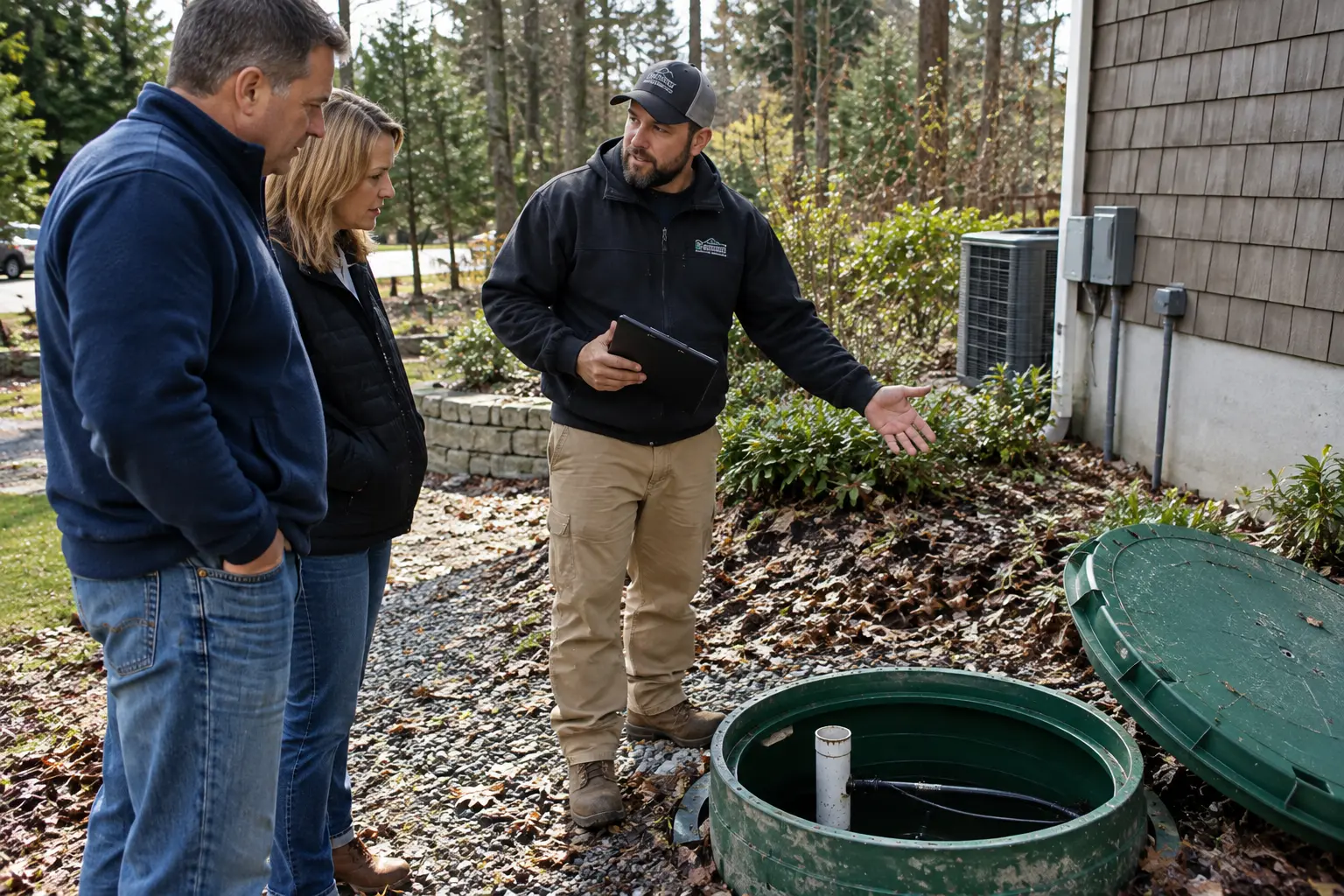
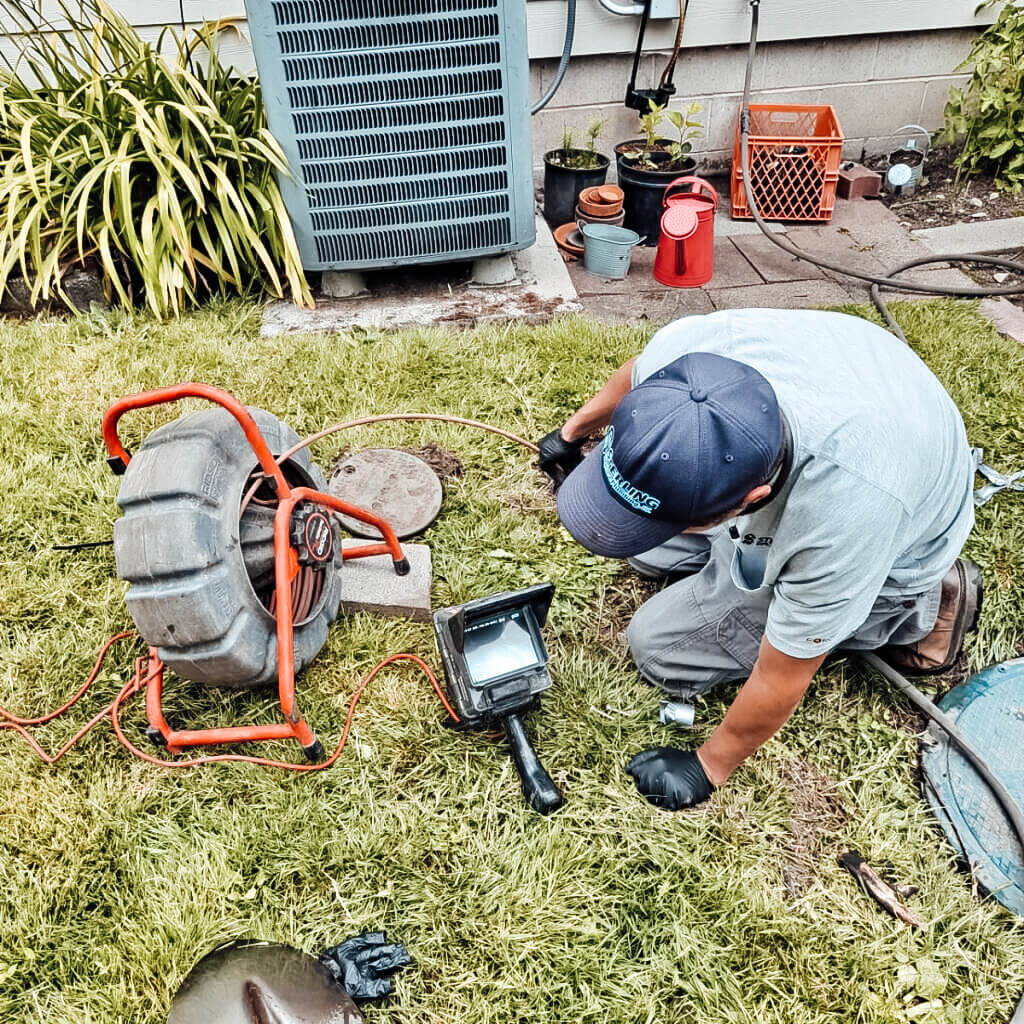
There are several steps you can take to reduce the risk of septic problems during rainy periods. If you can’t remember the last time your septic system was serviced, the best prevention begins with a Pierce County septic inspection and timely repairs.
Schedule Septic Tank Pumping Before the Wet Season
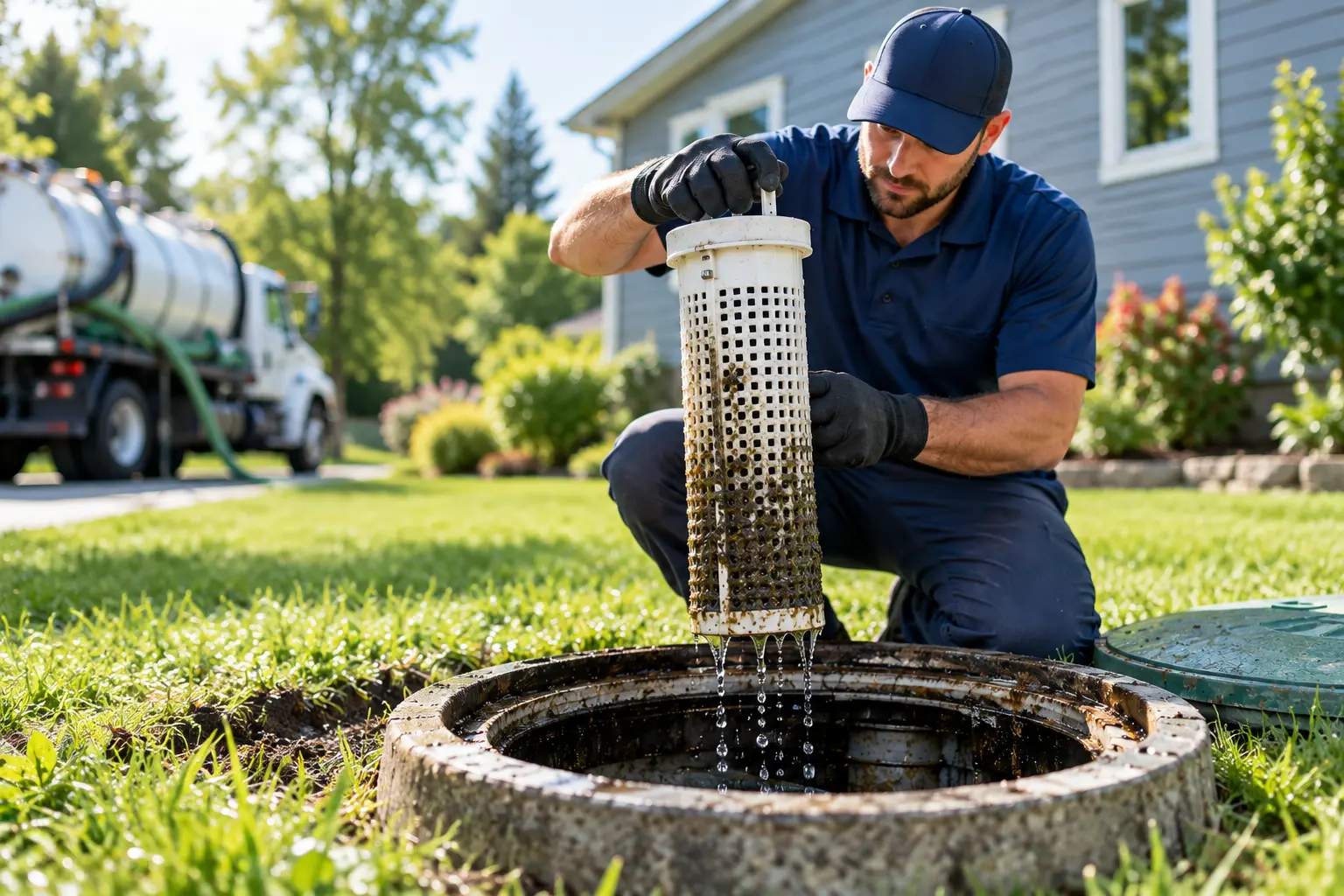
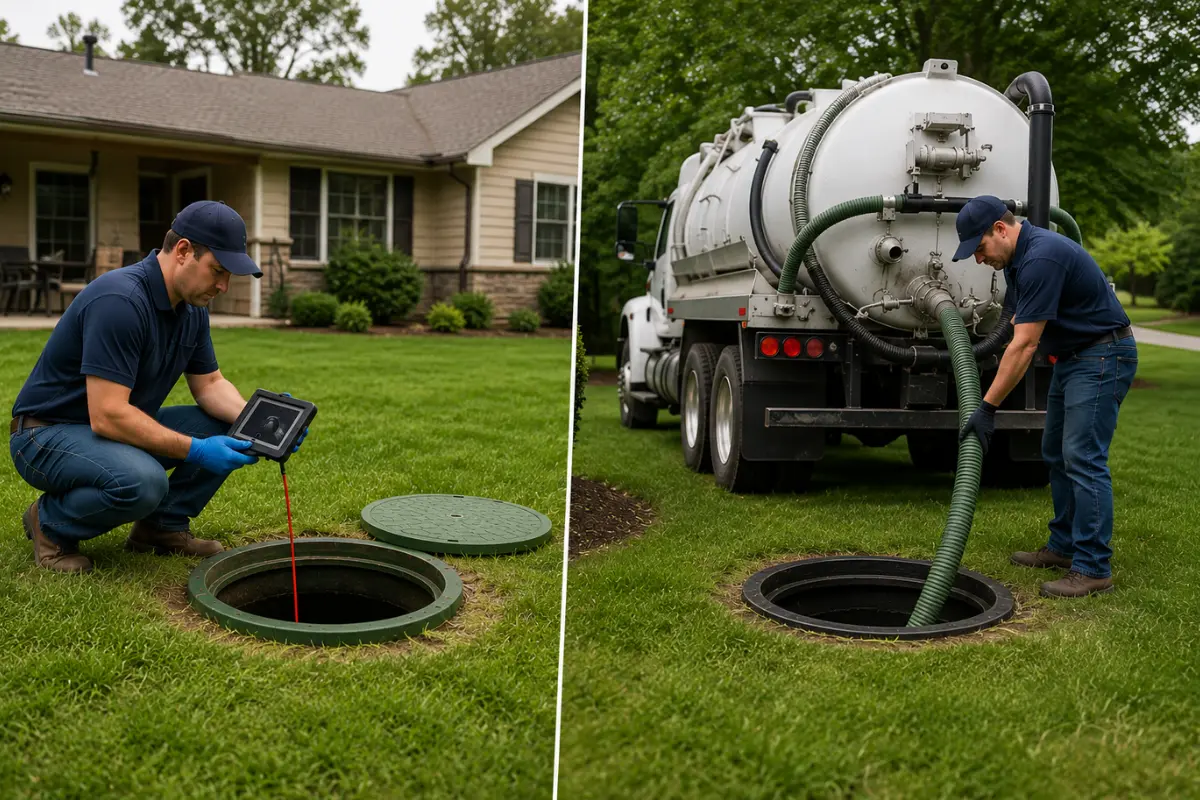
Investing in Pierce County septic tank pumping services before the rainy season can help ensure the system has enough capacity to handle normal household wastewater. A tank that is already near full is more likely to struggle when soil conditions become saturated.
Improve Drainage Around Your Septic Tank and Drain Field
Directing surface water away from the septic tank and drain field can help prevent excess water from soaking the area. Proper grading, gutters, and drainage systems can make a significant difference.
Reduce Household Water Use During Heavy Rainfall
When the ground is already saturated, reducing water usage inside the home can help relieve pressure on the septic system. Spreading out laundry loads, taking shorter showers, and avoiding excessive water use can give the drain field time to recover.
After rain, check your yard for lingering soggy patches. This quick inspection can reveal saturation issues that need attention immediately.
When to Contact Pierce County Septic Services
If you notice slow drains, standing water, or sewage odors during or after heavy rain, contact us before the problems worsen. We can help with professional inspections, tank pumping, and septic repair services across Pierce, Thurston, and King Counties. When you want proven expertise and hometown service, choose the trusted septic company in Puyallup: Sterling Septic & Plumbing.