| Quick answer: Yes. Charmin toilet paper is labeled septic safe and tested by the manufacturer for septic systems. Thick rolls like Ultra Soft and Ultra Strong break down more slowly, so use them in moderation. Never flush Charmin Flushable Wipes. Regular pumping matters more than the brand you buy. |
Walk down the paper aisle at any store in Puyallup or Tacoma and you will see it: big bright packs of Charmin with “Septic Safe” printed right on the front. If your home runs on a septic system, that label sounds like the end of the story. So, is Charmin toilet paper septic safe, or is there more to know?
The short version: Charmin is fine for most septic systems, but not all Charmin rolls behave the same way in your tank. Here is what the label means, what it does not, and how to keep your system healthy, whichever brand you buy.
What We Actually Find Inside Septic Tanks
One of the most common calls our crew gets in fall and winter goes like this: a homeowner in Graham, Spanaway or Puyallup notices a gurgling toilet and slow drains after a week of heavy rain. They are sure their soft, thick toilet paper is to blame.
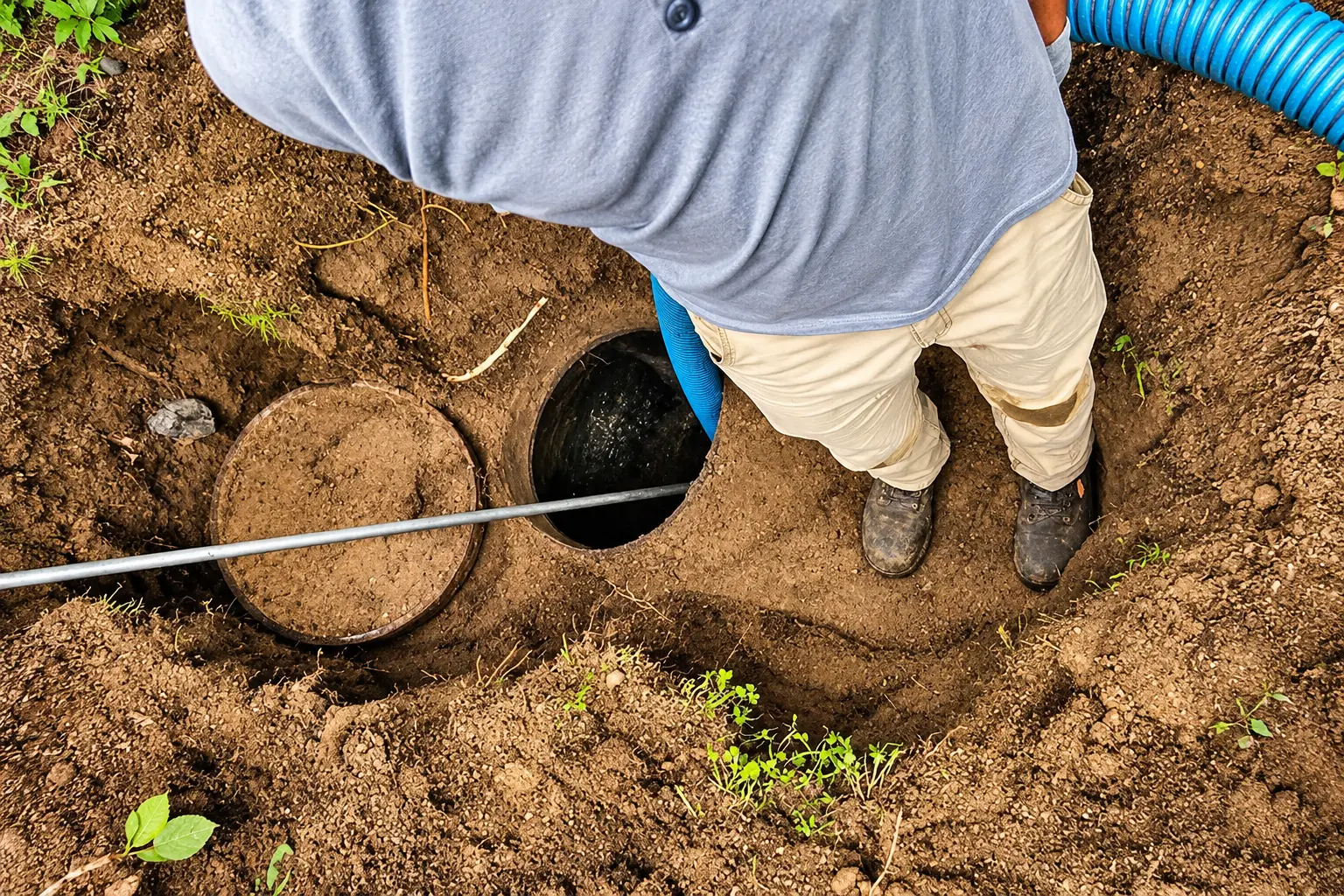
When we open the tank, toilet paper is rarely the real cause. Most of the time we find two things: a thick sludge layer because the tank is years overdue for pumping, and a clump of “flushable” wipes stuck at the inlet.
We pump the tank, clear out the wipes, and give the same advice every time: wipes go in the trash, go a little lighter on the ultra-thick paper, and get back on a regular pumping schedule. Those three habits prevent most of the problems we see.
The lesson is simple: the brand matters less than how much you flush, what else goes down the toilet, and how often the tank gets pumped.
What Charmin Says About Septic Safety
Charmin states that its toilet paper has been tested to be septic safe and clog safe when it is used as intended in a properly working plumbing system. According to the company, its testing checks that the paper settles in a septic tank and then breaks down there over time.
Charmin also offers a money-back guarantee: if its toilet paper causes a clog, the company says it will refund the price of the pack. That is a nice promise, but keep in mind it covers the cost of the toilet paper, not a plumber or septic repair bill.
Is “Septic Safe” an Official Standard?
No. There is no single government test or official seal that every “septic safe” toilet paper has to pass. When a pack says “septic safe,” it means the manufacturer tested the product its own way and is confident in it.
That does not make the label wrong. It just means “septic safe” tells you the product is designed for septic use, not that it is equally good as every other roll on the shelf. Thickness, plies and how much you use still matter.
Is Charmin Ultra Soft or Ultra Strong Septic Safe?
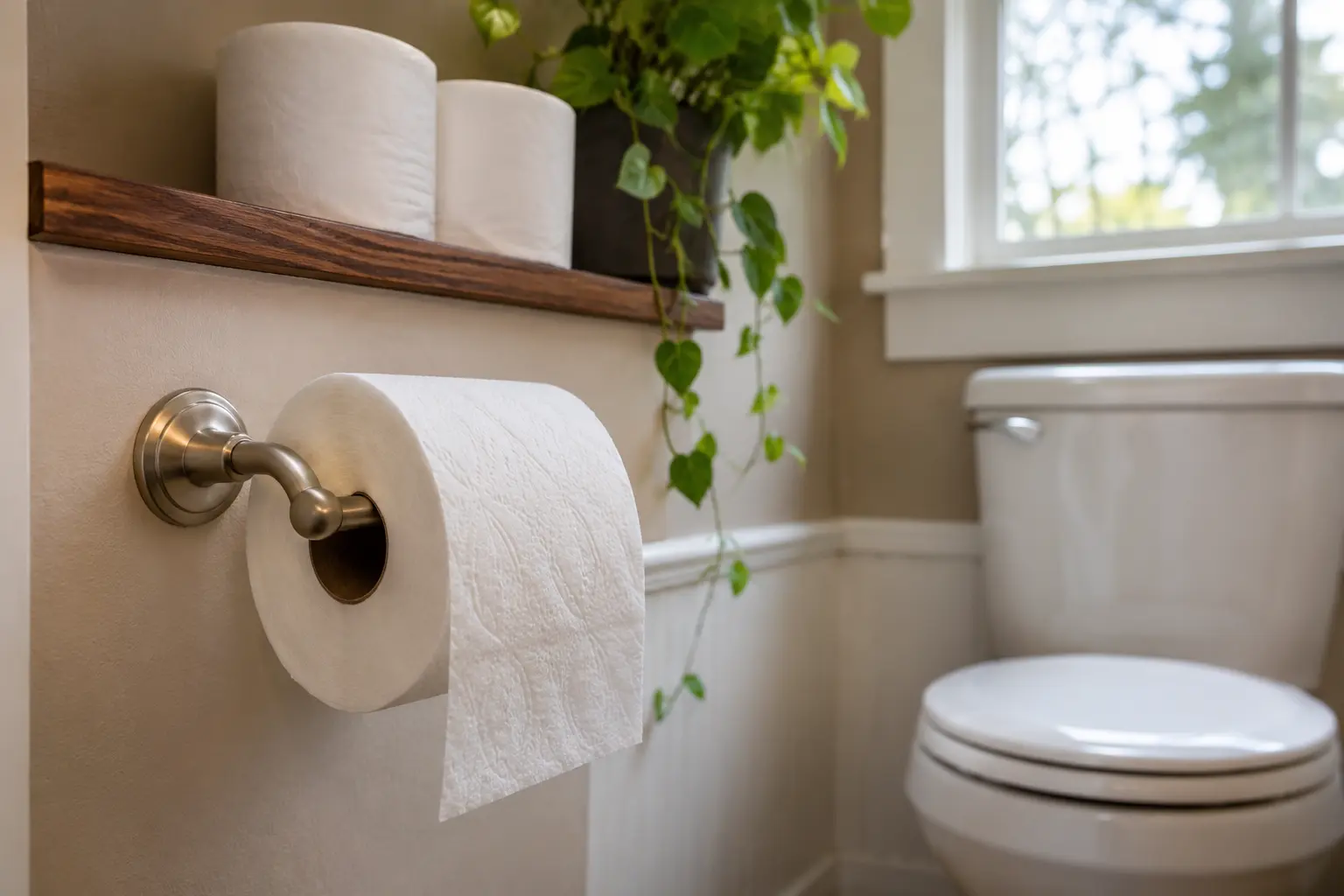
Both are labeled septic safe. But both are thick, plush 2 ply papers, and thicker paper takes longer to break apart in water. In a Consumer Reports disintegration test, Charmin Ultra Strong took the longest of the papers tested to break down, more than a minute, while some papers broke down in seconds.
Does that mean your tank is doomed? No. It means thick paper adds a bit more solid material to your tank, so it is smart to use a reasonable amount per flush. Many plumbers suggest the same: Ultra Soft is fine for septic systems in moderation.
Here is a simple guide to common Charmin types:
| Charmin product | Ply | What septic owners should know |
| Charmin Essentials Strong | 1-ply | Thin and labeled septic safe. Usually breaks down quickly. |
| Charmin Ultra Soft | 2-ply, thick | Labeled septic safe. Fine in moderation; avoid big wads per flush. |
| Charmin Ultra Strong | 2-ply, thick | Labeled septic safe, but slowest to break down in a Consumer Reports test. Use less per flush. |
| Charmin Flushable Wipes | Wipes | Do not flush on a septic system. Put them in the trash. |
Product labels and formulas can change. Always check the current package.
What Happens to Toilet Paper in Your Septic Tank?
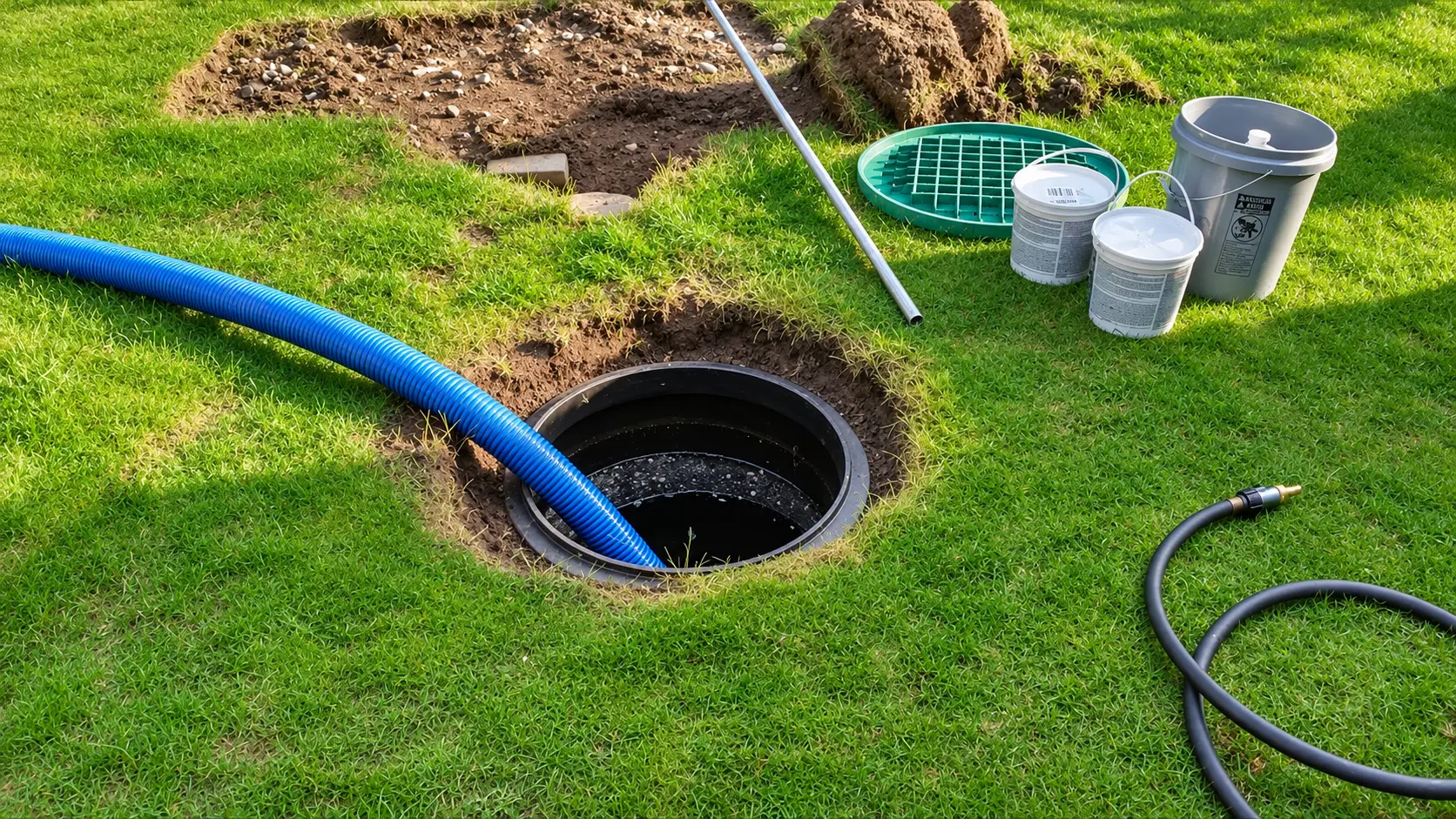
When you flush, everything flows into your septic tank. Heavy solids sink to the bottom and form a sludge layer. Grease and light material float to the top as scum. Bacteria in the tank slowly break down some of that waste, and the liquid in the middle flows out to your drainfield.
Toilet paper is designed to break apart and settle. But it does not disappear instantly, and some of it ends up in the sludge layer. The more paper you flush, and the thicker it is, the faster that sludge builds up. That is one reason a big household may need its tank pumped sooner.
If too much sludge builds up, solids can escape into the drainfield. That is where real damage, and real repair bills can happen.
Try the 30-Second Jar Test at Home
Want to see how your toilet paper behaves? Try this simple test:
- Fill a clear jar about three-quarters full with tap water.
- Drop in 4–6 squares of the toilet paper you use.
- Put the lid on and shake it for about 10 seconds.
- Look inside. Paper that breaks into small pieces is easier on your system. Paper that stays in big sheets breaks down more slowly.
It is not a lab test, but it is a quick way to compare two brands side by side.
What About Charmin Flushable Wipes?
This is the big one. Even though “flushable” wipes say they are safe for sewers and septic systems, do not flush them if you are on septic. The EPA asks Americans to flush only toilet paper. When Consumer Reports tested several brands of flushable wipes, including Charmin’s, they did not break down at all in a test where toilet paper broke down quickly.
In our experience, wipes are one of the most common causes of clogged septic inlets and pumps. A small trash can next to the toilet is the cheapest septic protection you can buy.
Septic-Friendly Toilet Paper Tips for Western Washington Homes
- Use less per flush. Folding instead of bunching uses less paper.
- Pick thinner paper if you have an older or smaller system. 1 ply or thinner 2 ply breaks down faster.
- Only flush the 3 P’s: pee, poop and toilet paper.
- Keep wipes, paper towels and tissues out of the toilet, even if the package says “flushable.”
- Spread out water use. In our wet winters, drainfields are already soaked, so avoid doing all your laundry in one day.
- Pump on schedule. Most homes need pumping every 3 to 5 years. Regular pumping matters more than which brand you buy.
- Get an inspection if drains are slow or gurgling. Catching problems early costs far less than a drainfield repair.
FAQ: Is Charmin Toilet Paper Septic Safe?
Is Charmin toilet paper septic safe for older septic systems?
Charmin is labeled septic safe, but older or undersized systems handle solids less well. If your system is older, choose thinner paper, use less per flush, and keep up with pumping and inspections.
What is the best toilet paper for a septic system?
Thin paper that breaks apart quickly is easiest on a septic system. Try the jar test to compare brands. Whatever you choose, how much you use and how often you pump matter most.
Can Charmin cause a septic clog?
It is unlikely when used normally. Clogs usually come from flushing too much paper at once, flushing wipes or other items, or a tank that is overdue for pumping.
Are Charmin Flushable Wipes septic safe?
We do not recommend flushing any wipes into a septic system. The EPA advises flushing only toilet paper, and tests show wipes do not break down like toilet paper does.
Should I switch toilet paper brands if I have a septic tank?
Not necessarily. If you love Charmin Ultra Soft, you can keep using it in moderation. Focus on what you flush, how much you flush, and pumping your tank on time.
Worried About Your Septic System? We Can Help
So, is Charmin toilet paper septic safe? For most homes, yes. Just go easy on the thick rolls, never flush wipes, and keep your tank on a regular pumping schedule.
Sterling Septic & Plumbing is a local septic company based in Puyallup, serving homeowners and realtors across Pierce, King and Thurston County. We handle septic pumping, inspections, repairs and home sale inspections, and we offer same-day emergency service.
Call (253) 254-8630 (Monday–Friday, 7 AM–5 PM) to schedule septic pumping or an inspection.