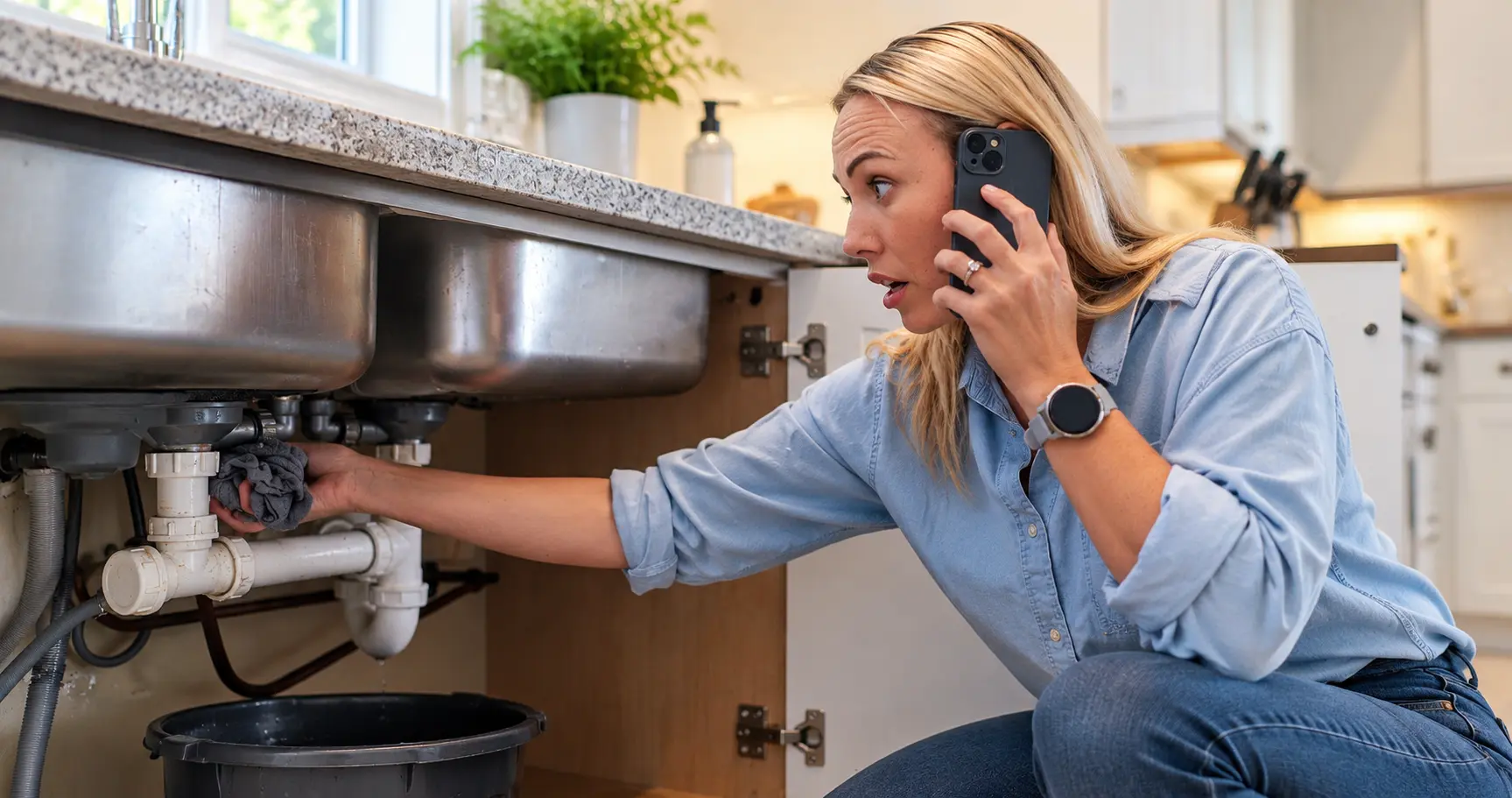
You flush the toilet, and a few seconds later, you hear a bubbling sound coming from the shower drain. Later, the kitchen sink starts gurgling when the washing machine drains. Everything still works, but something does not seem right.
If you have a septic system, these noises are worth paying attention to. They can indicate a partially blocked drain, a plumbing vent problem, or an issue with your septic system.
Septic tank gurgling does not always mean your tank is full or failing. The key is to understand where the sound is coming from, whether other plumbing fixtures are affected, and what additional warning signs appear.
For homeowners in Pierce, King, and Thurston Counties, Washington, identifying the cause early can help prevent a minor drainage problem from turning into a more serious issue.
In this guide, we explain what causes gurgling toilets and drains, how to recognize potential septic problems, and what to do when the noises persist.
What Does Septic Tank Gurgling Mean?
Gurgling is a bubbling or glugging sound that occurs when water drains through your plumbing system. It often happens when air moves through the pipes because water is not flowing as smoothly as it should.
Your home’s plumbing system relies on proper drainage and ventilation. When wastewater moves through the pipes, air must move freely to maintain balanced pressure. If something interferes with that process, you may hear unusual sounds from toilets, sinks, tubs, or showers.
When a home uses a septic system, gurgling can sometimes indicate a problem beyond the indoor plumbing.
Possible causes include:
- A partially blocked drainpipe
- A blocked plumbing vent
- A septic tank that needs pumping
- A drain field that is not absorbing wastewater properly
- Excessive water entering the septic system
- A malfunctioning septic pump or another system component
The sound alone cannot identify the exact problem. However, paying attention to when it occurs and which fixtures are affected can help narrow down the possible causes.
6 Common Causes of Septic Tank Gurgling
1. A Partially Blocked Drainpipe
A blockage in your home’s plumbing is one possible reason for gurgling drains.
Over time, grease, soap residue, hair, food particles, and other materials can accumulate inside drainpipes. As the opening becomes restricted, water may struggle to pass through freely.
Air can become trapped or move unevenly through the pipes, creating bubbling and gurgling sounds.
You might notice other symptoms, including:
- Water draining more slowly than usual
- Gurgling from a sink or bathtub
- Unpleasant odors near a drain
- One plumbing fixture having problems while others work normally
If the noise comes from just one sink, shower, or toilet, the problem may be isolated to that fixture or its connecting drainpipe.
However, if several fixtures begin gurgling or draining slowly, the blockage could be farther down the drainage system.
What to do: Pay attention to which fixtures are affected and whether the problem occurs when other fixtures are used. If the noise continues or drainage becomes worse, contact a plumbing professional to identify the blockage.
2. A Blocked Plumbing Vent
Your plumbing system has vent pipes that allow air to enter and leave the drainage system. These vents help wastewater flow properly and prevent pressure problems that can affect drains and toilets.
If a vent becomes blocked by leaves, debris, a bird’s nest, or another obstruction, air may not move through the system as intended.
This can cause:
- Gurgling toilets
- Bubbling sounds from sink or shower drains
- Slow drainage
- Unusual pressure changes in the plumbing system
- Sewer odors inside the home
A blocked vent can produce symptoms that resemble a septic system problem, even when the septic tank itself is functioning normally.
What to do: Have a plumbing professional inspect the vent system if the symptoms suggest a ventilation problem. Avoid climbing onto the roof to inspect or clear a vent yourself, as roof access can be dangerous.
3. Your Septic Tank May Need Pumping
A septic tank separates wastewater into different layers. Solid waste settles at the bottom as sludge, while oils and grease form a floating layer called scum. The liquid between these layers flows toward the next stage of the treatment system.
As sludge and scum accumulate, the tank eventually needs professional pumping to remove the excess material.
If the tank is overdue for pumping, solids can build up and reduce the space available for wastewater. Depending on the system’s condition, this may contribute to drainage problems and other symptoms.
You may notice:
- Gurgling toilets or drains
- Slow drainage in multiple areas of the house
- Sewage odors near plumbing fixtures or outside
- Wastewater backing up into a toilet, shower, or floor drain
These symptoms do not automatically mean the tank is full. A blockage, vent problem, or another septic system issue can produce similar warning signs.
What to do: Check your septic maintenance records to determine when the tank was last pumped. If you are unsure or the symptoms are recurring, arrange a professional assessment.
Regular septic tank pumping helps manage accumulated solids and supports the long-term operation of your system. The appropriate pumping schedule depends on factors such as tank size, household size, water usage, and the amount of solids entering the tank.
Learn more about professional septic tank pumping and the importance of routine maintenance.
4. A Drain Field Problem
The drain field, also called the leach field, receives wastewater from the septic tank and allows it to disperse into the surrounding soil for further treatment.
When the drain field cannot absorb wastewater properly, water may begin accumulating in the system. This can affect drainage throughout the house.
Potential warning signs include:
- Multiple drains becoming slow
- Gurgling toilets or sinks
- Wet or unusually soggy ground near the drain field
- Unpleasant sewage odors outdoors
- Wastewater surfacing over the drain field
Heavy rainfall can make existing drainage problems more noticeable, particularly when the soil is already saturated. However, wet ground alone does not confirm that a drain field has failed.
Gurgling sounds by themselves are also not enough to diagnose a drain field problem.
What to do: If gurgling occurs alongside persistent slow drainage, sewage odors, or unusually wet areas near the drain field, arrange a professional septic inspection. Avoid driving or parking heavy vehicles over the drain field, and reduce unnecessary water use while awaiting an assessment.
A professional can determine whether the symptoms are related to the drain field, the tank, the plumbing, or another component.
5. Too Much Water Entering the Septic System
Your septic system is designed to handle a certain amount of wastewater. When too much water enters the system in a short period, it can interfere with normal operation.
For example, several loads of laundry, long showers, and multiple household activities occurring close together can send a large volume of water into the tank.
Other potential sources of excess water include leaking plumbing fixtures and water entering the system from an improperly connected drain.
Depending on the system’s condition, excessive water use can contribute to slow drainage, gurgling, or other signs of trouble.
You may notice that the noises become more frequent when:
- Several people shower one after another
- The washing machine and dishwasher run simultaneously
- Multiple loads of laundry are completed in a short period
- Several plumbing fixtures are used at the same time
These patterns do not necessarily indicate a septic system failure. They may simply reveal that the system is struggling to handle the wastewater volume.
What to do: Spread laundry loads throughout the week, repair leaking faucets and toilets, and avoid running multiple high-water-use appliances simultaneously when drainage problems are occurring.
If the gurgling continues even after you reduce water use, have the system inspected to identify the underlying cause.
6. A Septic Pump or Other Component Is Not Working Properly
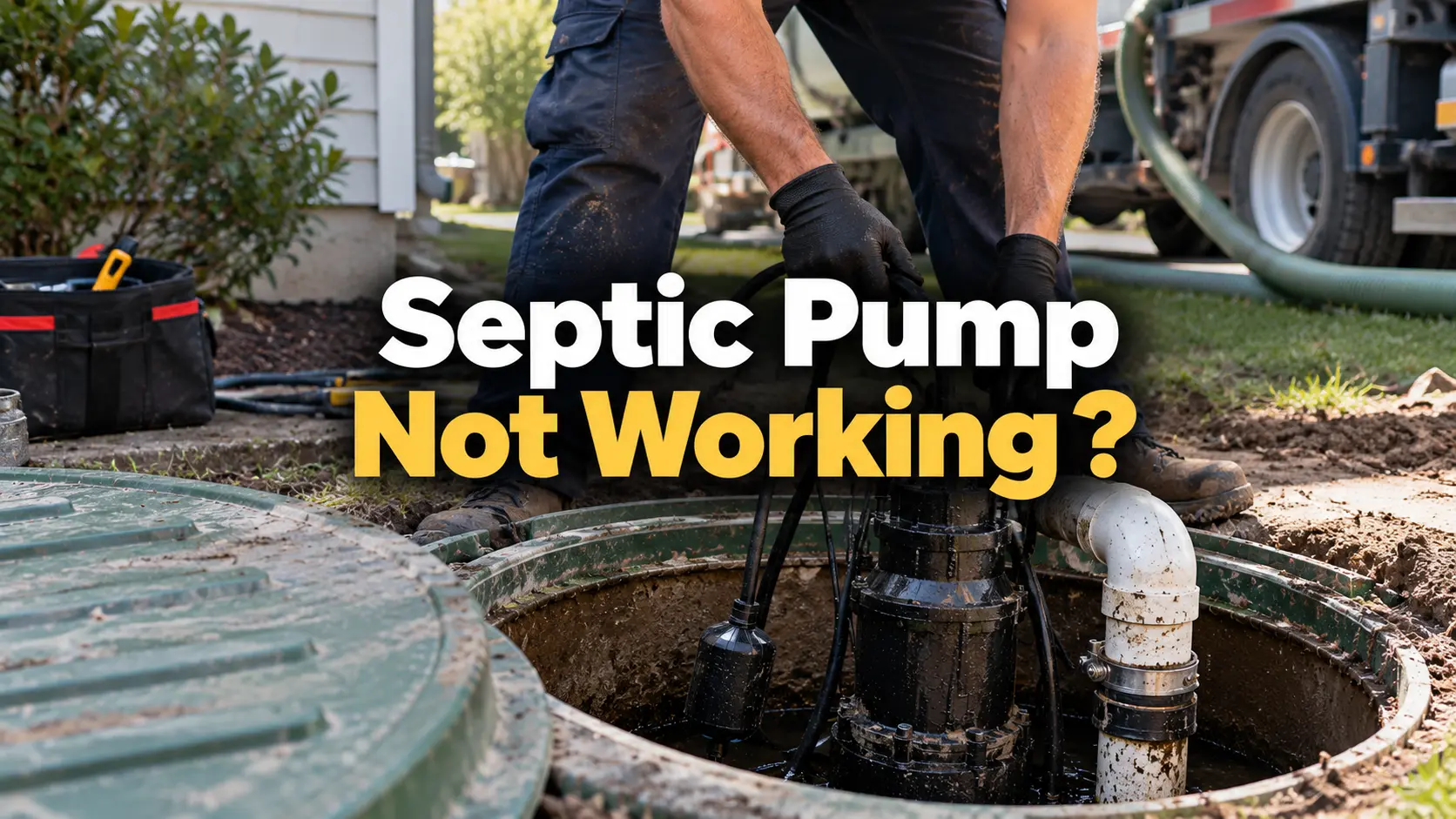
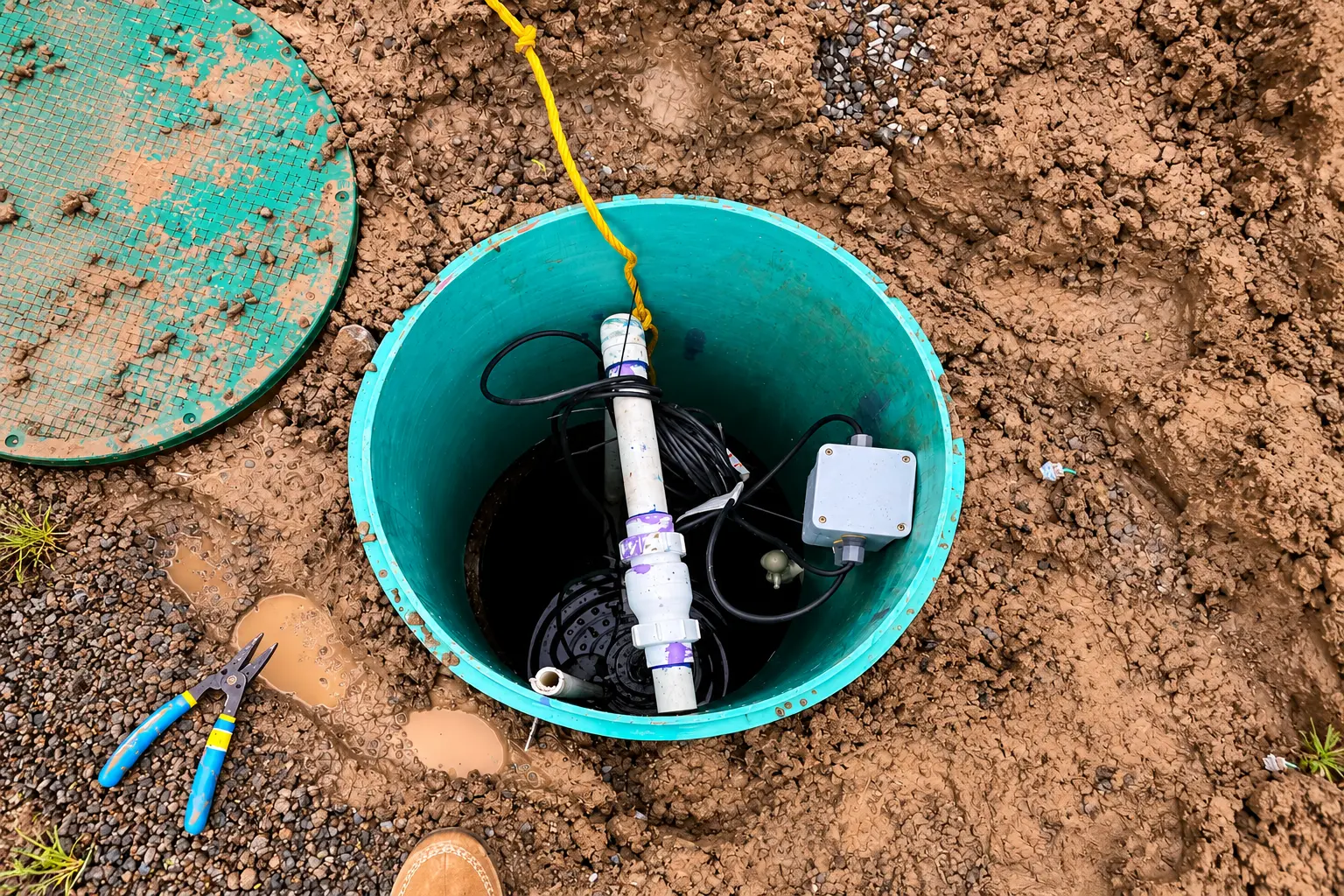
Some septic systems use pumps to move wastewater between tanks or toward another part of the system. If a pump or related component malfunctions, wastewater may not move as intended.
Possible causes include an electrical problem, a failed pump, a faulty float switch, or an obstruction in the discharge line.
Depending on the system’s design and the nature of the problem, you might notice:
- Gurgling or bubbling drains
- Slow drainage throughout the house
- A septic pump alarm
- Wastewater backing up into plumbing fixtures
- Unusual pump operation or no pump operation when expected
Not every septic system uses a pump, and gurgling alone does not confirm a pump failure.
What to do: If your system has a septic alarm, follow the manufacturer’s instructions and contact a qualified septic professional. Do not open electrical equipment or enter a septic tank to investigate the problem.
If wastewater is backing up into your home, stop using water as much as practical and arrange prompt professional assistance.
How to Tell Whether Gurgling Is a Plumbing Problem or a Septic Problem
Gurgling sounds can originate in different parts of the drainage system. Looking at the symptoms together can help you understand where the problem may be.
| What You Notice | Possible Cause | Recommended Action |
|---|---|---|
| One sink gurgles and drains slowly | Local drain blockage | Arrange a drain inspection if it persists |
| Toilet gurgles when another fixture drains | Drain restriction or plumbing vent issue | Have the plumbing system checked |
| Several drains gurgle throughout the house | Main drain restriction or septic system issue | Arrange a professional assessment |
| Gurgling occurs with a septic alarm | Possible pump or system component problem | Contact a septic professional promptly |
| Gurgling occurs with sewage odors outdoors | Possible septic tank or drain field issue | Schedule a septic inspection |
| Drains gurgle and wastewater backs up | Significant drainage or septic problem | Stop unnecessary water use and seek prompt assistance |
| Gurgling occurs after heavy rainfall | Possible drainage or saturated soil issue | Monitor symptoms and arrange an inspection if they persist |
Important: These symptoms are clues, not definitive diagnoses. A plumbing professional or septic technician can identify the actual cause through an appropriate inspection.
What Should You Do When Your Septic Tank Starts Gurgling?
If you hear gurgling from your toilet, sink, shower, or other drains, take a few sensible steps before the problem gets worse.
Step 1: Identify Where the Noise Is Coming From
Start by noticing which plumbing fixtures make the sound.
Does only one sink gurgle, or are several drains affected? Does the noise occur when you flush the toilet, run the washing machine, or use the shower?
These details can help a professional determine whether the problem may be isolated to one drain or involve a larger part of the system.
Do not repeatedly flush toilets or run water just to reproduce the noise if drainage is already poor.
Step 2: Look for Other Warning Signs
Gurgling becomes more concerning when it occurs alongside other symptoms.
Pay attention to:
- Slow-draining sinks, tubs, or showers
- Toilets that flush poorly
- Sewage odors inside or outside the home
- Wastewater backing up into plumbing fixtures
- Wet or unusually soft ground near the septic system
- A septic system alarm, if your system has one
Make a note of when these symptoms started and whether they are getting worse.
Step 3: Reduce Unnecessary Water Use
If multiple drains are gurgling or draining slowly, reduce water use until the cause is identified.
Avoid running several loads of laundry, taking long showers, or operating multiple water-intensive appliances at the same time.
This is a temporary precaution, not a repair. If the system is already backing up, additional wastewater can make the situation worse.
Step 4: Avoid Harsh Chemical Drain Cleaners
Pouring strong chemical drain cleaners into your plumbing is not a reliable way to fix a septic system problem.
These products may not reach the actual blockage, and some can damage plumbing components or interfere with the normal biological processes in a septic system.
If you suspect a blockage, have the drain inspected rather than repeatedly adding chemicals.
Step 5: Call a Professional if the Problem Persists
If gurgling continues, several fixtures are affected, or other warning signs appear, arrange a professional inspection.
The appropriate service depends on the cause. A plumbing issue may require a drain or vent inspection, while a septic system problem may require pumping, inspection, or repairs.
If wastewater is backing up into the home, sewage is surfacing outside, or a septic alarm indicates a problem, do not wait for the symptoms to resolve on their own.
Can Septic Tank Gurgling Go Away on Its Own?
Sometimes, a temporary gurgling sound may disappear after a short period. For example, the noise may be related to a temporary change in water flow.
However, the sound disappearing does not necessarily mean the underlying problem has been resolved.
If gurgling returns regularly, several drains are affected, or you notice slow drainage and sewage odors, investigate the cause.
A recurring problem may indicate a partial blockage, a ventilation issue, or a septic system component that needs attention.
Do not rely on the absence of noise alone to determine whether your septic system is operating correctly.
How to Prevent Septic System Drainage Problems
Routine maintenance can help reduce the risk of problems that affect septic system performance. Although maintenance cannot prevent every blockage or component failure, a few habits can make a difference.
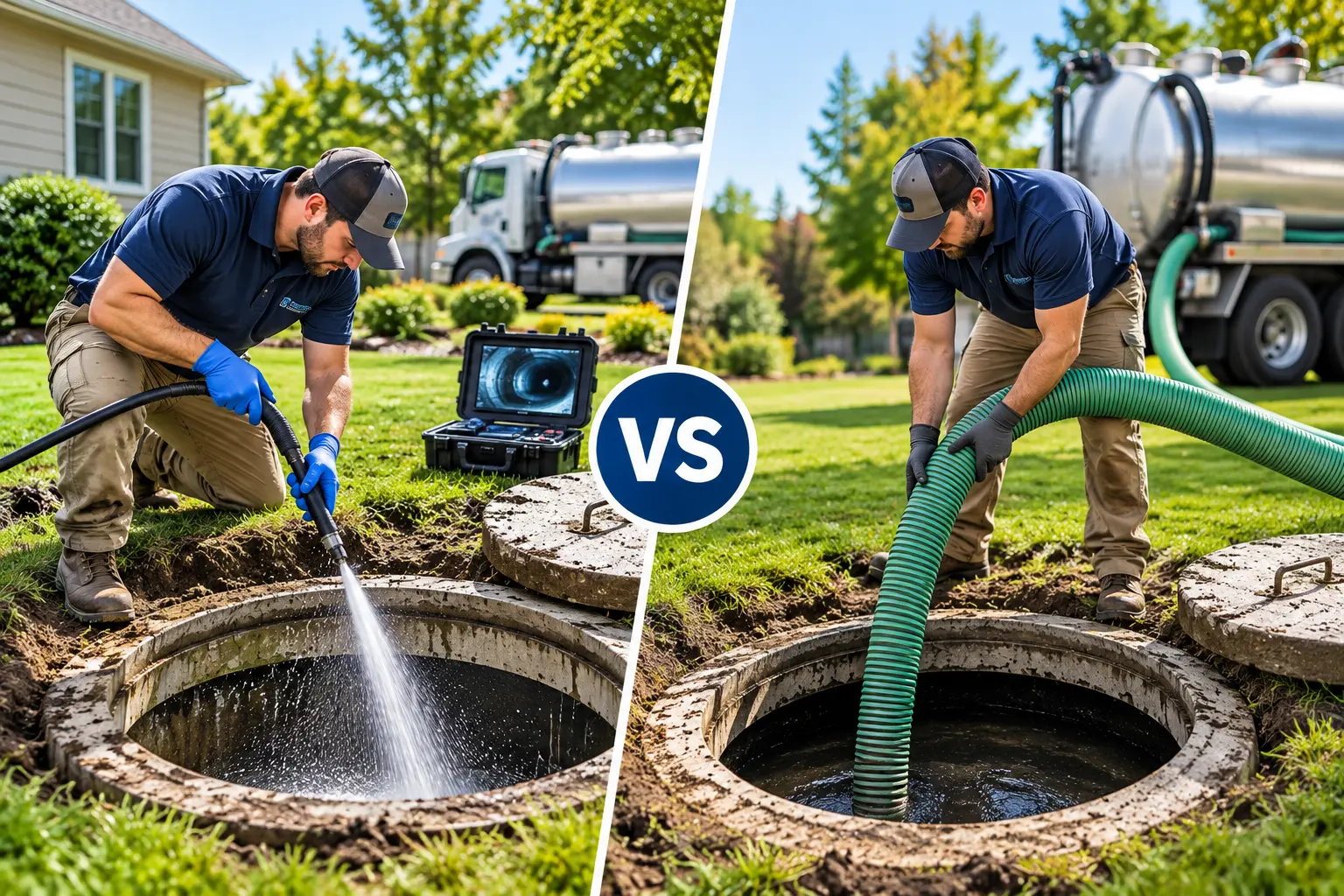
Schedule Septic Tank Pumping When Needed
Septic tanks need periodic pumping to remove accumulated sludge and scum. The right schedule depends on your tank, household, and usage patterns.
Keep records of previous pumping visits and follow the recommendations of your septic professional.
Avoid Flushing Items That Do Not Belong in the System
Your septic system is designed to handle wastewater and human waste, along with ordinary toilet paper.
Avoid flushing items such as:
- Wipes, including products labeled as flushable
- Paper towels
- Feminine hygiene products
- Dental floss
- Cotton swabs
- Grease and cooking oils
These materials can contribute to blockages or interfere with normal system operation.
Spread Out Heavy Water Use
Avoid sending unusually large volumes of wastewater into the system at once.
Spacing out laundry loads and repairing leaking plumbing fixtures can help manage the amount of water entering your septic tank.
Pay Attention to Early Warning Signs
Slow drains, recurring gurgling, sewage odors, and wet ground near the drain field deserve attention, especially when several symptoms occur together.
Addressing a problem early may help prevent further disruption and make it easier to identify the source.
Keep Up With Septic Inspections
A professional septic inspection can help assess the condition of the system and identify issues that may need attention.
The appropriate inspection schedule depends on your system, local requirements, and maintenance history.
For homeowners buying or selling a property, a septic inspection may also be an important part of evaluating the system’s condition.
When Should You Call a Septic Professional?
Not every gurgling sound requires an emergency visit. However, some symptoms indicate that you should arrange professional help promptly.
Contact a septic professional if:
- Multiple drains are repeatedly gurgling.
- Toilets, sinks, or showers are draining slowly throughout the house.
- You notice persistent sewage odors around the property.
- Wet or soggy areas appear near the septic tank or drain field.
- Your septic system alarm activates.
- Gurgling is accompanied by wastewater backing up into the house.
If sewage is backing up into your home, stop using water as much as practical and seek prompt professional assistance. Avoid contact with wastewater and keep children and pets away from affected areas.
Do not open a septic tank or attempt to enter one. Septic tanks can contain toxic gases and present serious hazards.
A qualified professional can inspect the system, identify the likely cause, and recommend the appropriate next step.
Septic System Services in Pierce, King, and Thurston Counties
Gurgling drains can be frustrating because the cause is not always obvious. The problem may involve an indoor drain, a plumbing vent, the septic tank, or another system component.
For homeowners in Pierce, King, and Thurston Counties, Sterling Septic & Plumbing LLC provides septic pumping, septic inspections, and septic tank repair services to help address a range of septic system needs.
Whether your tank may be due for pumping or you have noticed symptoms that require a closer look, a professional assessment can help determine what is happening and what needs to be done.
If your septic tank is gurgling and the problem keeps returning, do not ignore the warning signs.
Contact Sterling Septic & Plumbing LLC to discuss your septic system concerns.
Call: 253-676-9246
Frequently Asked Questions
1. Why is my septic tank gurgling?
Gurgling can result from a partially blocked drainpipe, a blocked plumbing vent, a septic tank that needs pumping, excessive wastewater flow, or a problem with another septic system component. The sound alone cannot confirm the cause.
2. Does a gurgling toilet mean my septic tank is full?
Not necessarily. A gurgling toilet may indicate a drain blockage, a plumbing vent problem, or an issue elsewhere in the drainage system. If several fixtures are affected or you notice sewage odors and slow drainage, arrange a professional assessment.
3. Why do my drains gurgle when I flush the toilet?
When you flush a toilet, wastewater moves through the drainage pipes and changes the air pressure within the system. If a drainpipe is restricted or the plumbing vent is not functioning properly, you may hear gurgling from a nearby sink, tub, or shower.
4. Can heavy rain cause septic tank gurgling?
Heavy rain can saturate the soil around a septic system and make existing drainage or drain field problems more noticeable. However, rain does not automatically cause gurgling, and the sound alone cannot confirm a drain field issue.
If gurgling occurs alongside persistent slow drainage, sewage odors, or unusually wet ground near the drain field, arrange a professional inspection.
5. Should I use drain cleaner if my septic drains are gurgling?
Avoid relying on harsh chemical drain cleaners to solve the problem. They may not reach the blockage and can damage plumbing components or affect the septic system’s biological processes. If the problem persists, have the drain or septic system inspected.
6. Can septic tank gurgling indicate a failed drain field?
It can occur alongside drain field problems, but gurgling alone does not establish that the drain field has failed. Other warning signs may include persistent slow drainage, sewage odors, and wet areas over the drain field. A professional inspection is needed to determine the cause.
7. When should I call a professional for gurgling drains?
Contact a professional if the noises keep returning, several drains are affected, drainage becomes slow, or sewage odors develop. If wastewater backs up into the house or a septic alarm activates, seek prompt assistance.
8. How can I prevent septic system gurgling?
You cannot prevent every cause of gurgling, but regular septic maintenance, appropriate pumping, careful water use, and avoiding non-flushable materials can help reduce the risk of certain problems. Recurring noises should be investigated rather than treated as a normal part of septic system operation.