The first time many homeowners hear the words “septic tank riser,” they’re usually standing in their yard watching someone dig.
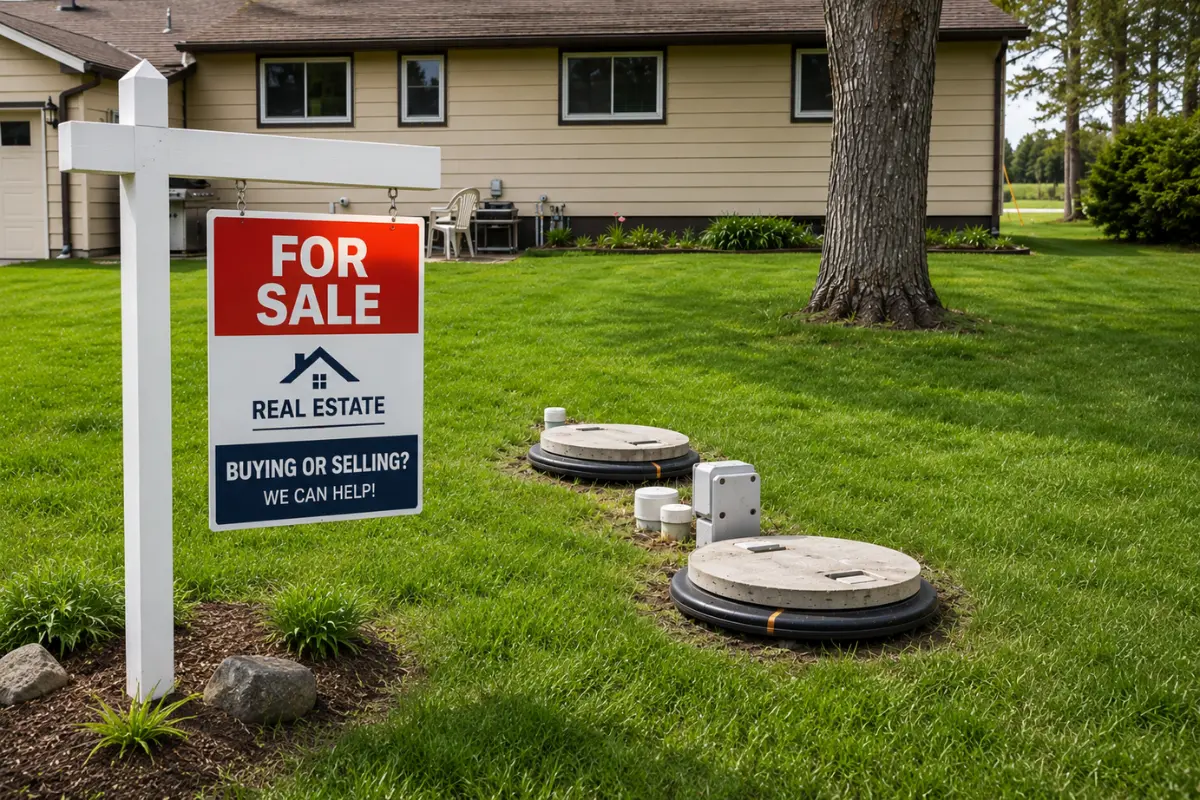
Maybe it’s time for a septic inspection. Maybe the tank needs pumping. Or maybe you’re getting ready to sell your home and the septic company needs access to the tank.
The technician knows roughly where the tank should be.
You don’t.
So the search begins.
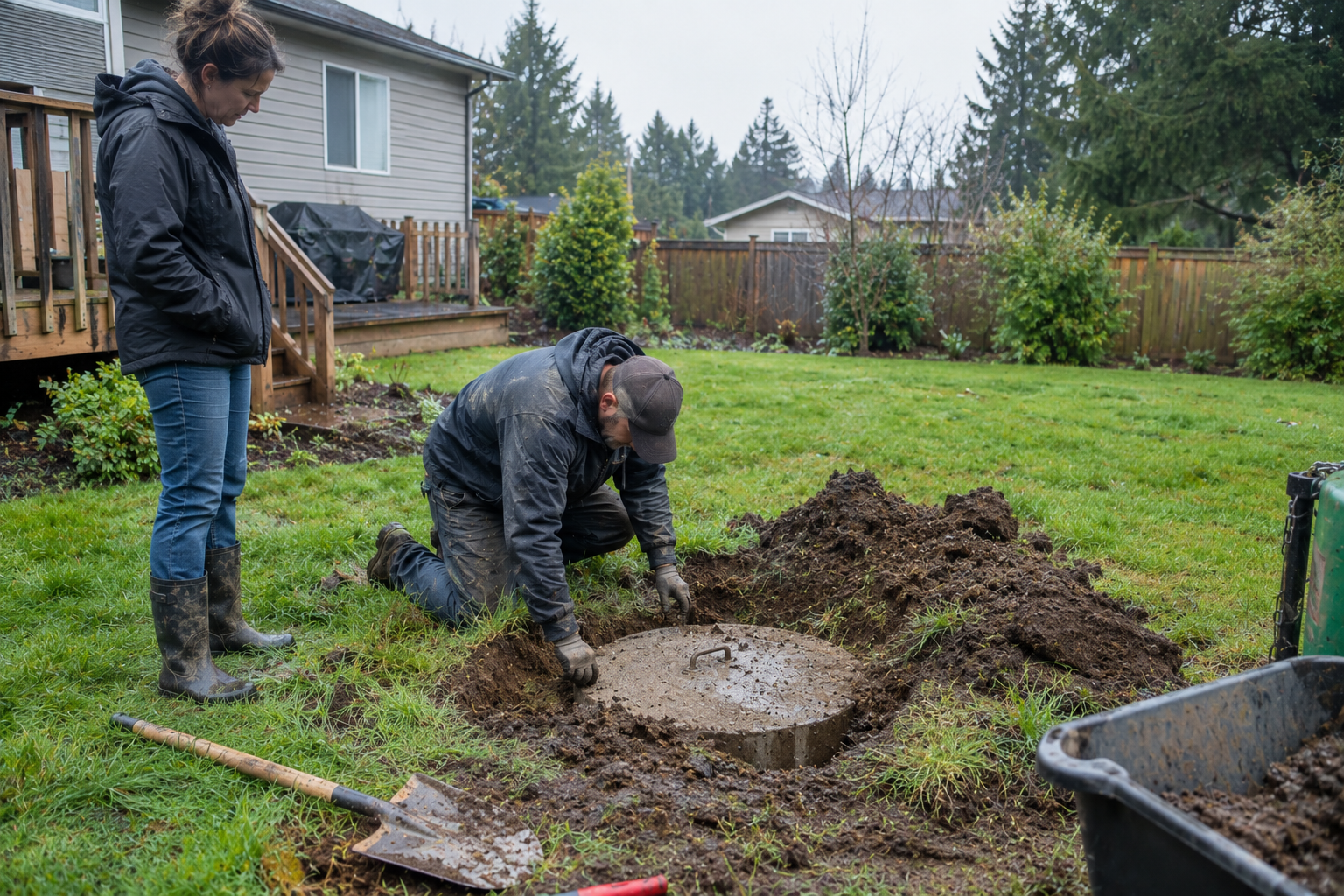
A few inches of soil come off. Then a little more. Grass gets pulled back. Eventually, the shovel hits something solid.
There it is.
The septic tank lid.
If you’ve been through this more than once, you may eventually ask the obvious question:
“Why can’t we just bring that lid up to the surface?”
That’s essentially what a septic tank riser does.
And for homeowners in Pierce, Thurston, and King Counties, where many properties rely on onsite septic systems, a riser can turn a frustrating maintenance job into a much simpler one.
So, What Exactly Is a Septic Tank Riser?
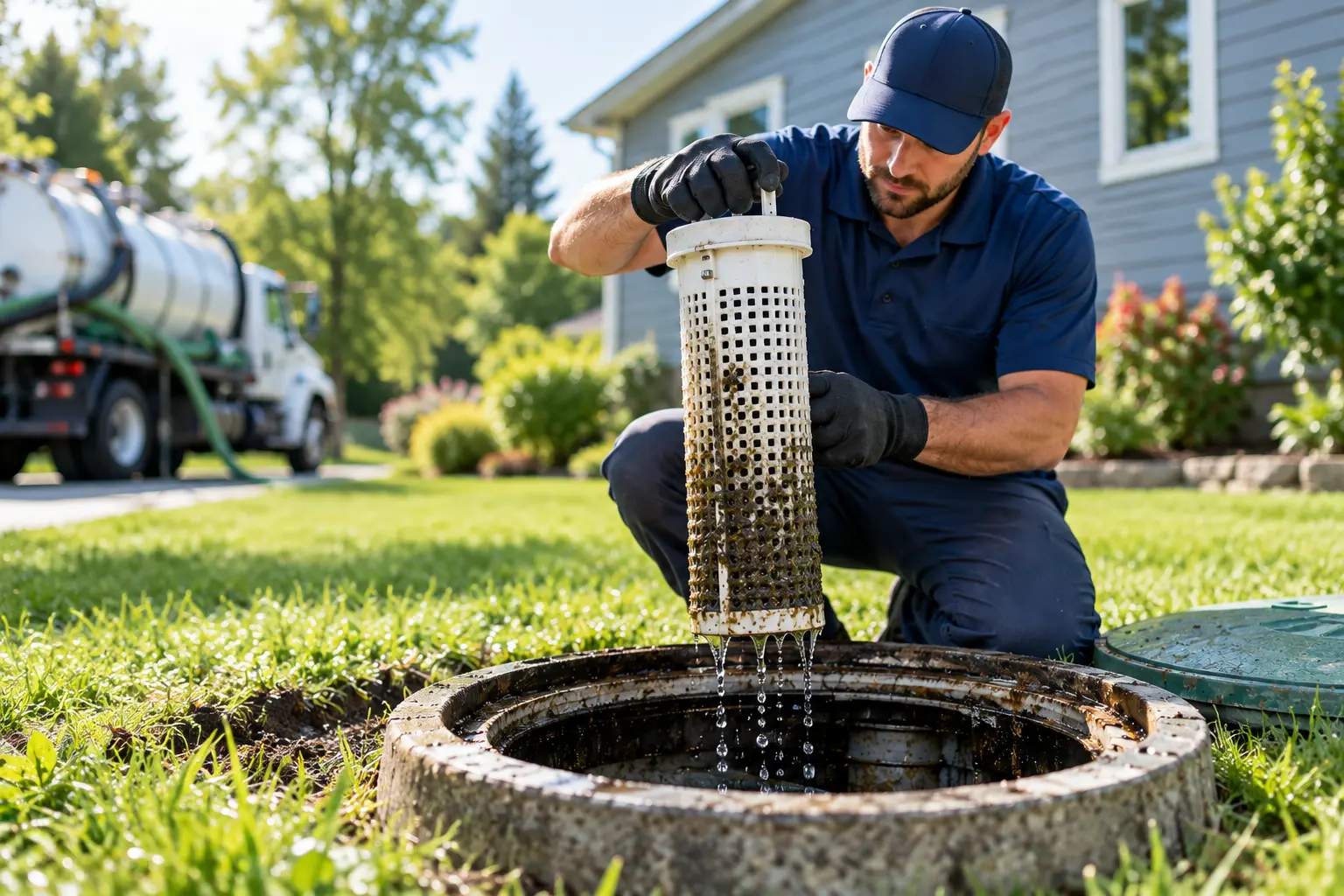
A septic tank riser is a vertical extension installed over an access opening on your septic tank.
Instead of having the tank lid buried under the soil, the riser brings the access point closer to the surface of your yard. A secure lid then sits on top.
That’s it.
It doesn’t treat wastewater.
It doesn’t replace your septic tank.
And it doesn’t make a failing drainfield healthy again.
Its job is much simpler:
It makes your septic tank easier to access.
That may not sound like a major improvement until you’ve watched someone spend an afternoon digging through a lawn looking for a buried tank.
Thurston County actually points out this advantage in its homeowner guidance. Systems with risers can bring the tank lid to the ground surface, eliminating the need to dig before an inspection.
Why Are Septic Tank Risers Useful?
Think about how often your septic tank needs attention over the years.
It might need to be pumped.
It needs periodic inspections.
A filter or baffle may need to be checked.
A technician may need access because you’re experiencing a problem.
Every one of those visits is easier when the tank isn’t buried several feet underground.
You Don’t Have to Dig Up the Yard Every Time
This is probably the biggest reason homeowners choose a riser.
Without one, the access lid might be hidden beneath grass, soil, mulch, or landscaping.
With one, the access point is right where you can find it.
Thurston County notes that buried lids may need to be uncovered before inspection, while risers can eliminate much of that digging.
If you’ve spent years building a nice lawn or garden, avoiding unnecessary digging is a pretty good benefit.
Septic Inspections Become Easier
A septic inspection isn’t particularly useful if nobody can safely get to the tank.
A riser gives the technician a clear access point.
This can be especially helpful for homeowners who have a system that needs regular inspections or who want to stay on top of maintenance rather than waiting for a problem.
Pumping Can Be Less Disruptive
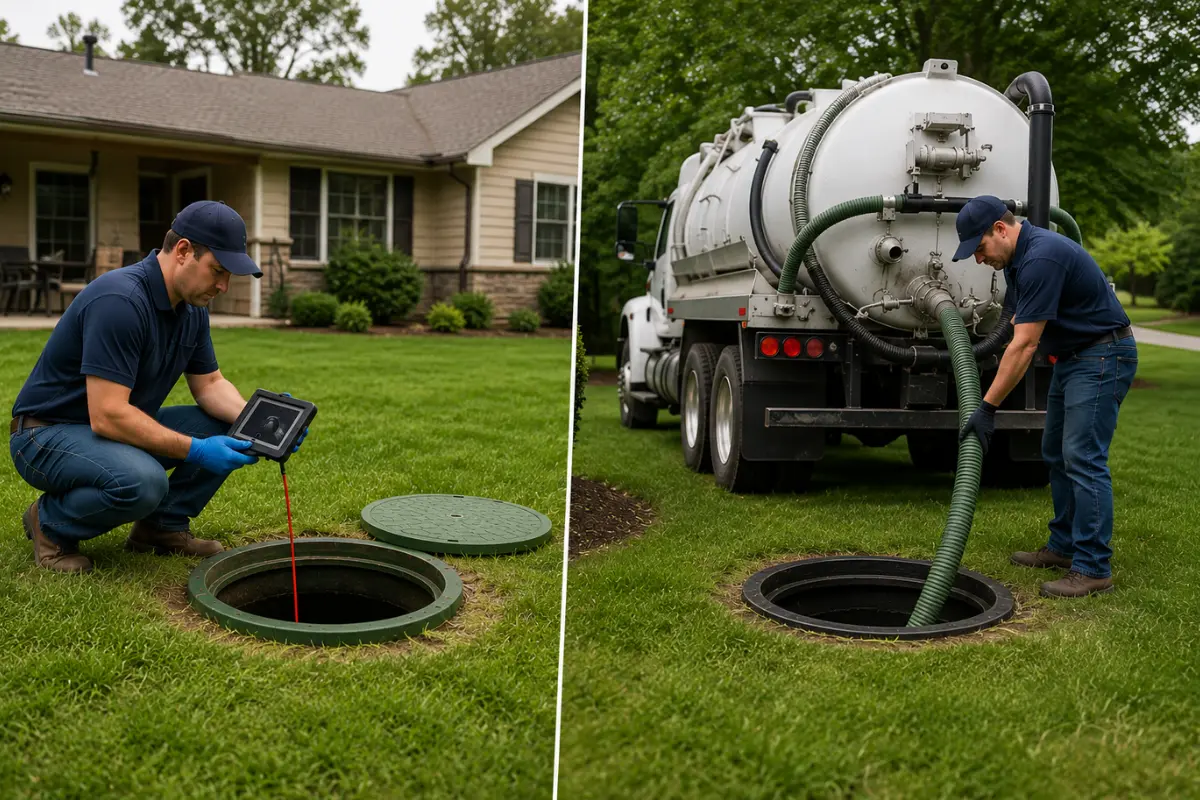
Septic pumping already involves bringing equipment to your property.
The last thing you want is to add a major excavation project before the actual pumping can even begin.
An accessible tank can make the process more straightforward.
In fact, Pierce County contractor specifications include providing a riser to grade when one doesn’t already exist as part of certain septic tank pumping and cleaning work.
You Know Where Your Tank Is
This sounds obvious, but it’s surprisingly valuable.
Once a riser is installed, you have a permanent visual reference for the tank location.
You don’t have to pull out old property drawings or wonder whether the tank is underneath the flower bed, beside the driveway, or somewhere in the middle of the backyard.
What Does a Septic Tank Riser Look Like?
Most homeowners imagine something large and ugly sticking out of the lawn.
It doesn’t have to look that way.
A properly installed riser can be relatively unobtrusive and can be fitted with a lid designed for the location.
The important thing is that the lid remains secure and accessible.
And this isn’t just about convenience.
A septic tank opening is a safety concern. Washington State Department of Health recommends that septic tank lids be secured to help prevent accidental falls and unauthorized access.
So a riser shouldn’t simply mean putting an open access point in your yard.
It needs a proper, secure cover.
How Much Does a Septic Tank Riser Cost?
This is where homeowners often want one simple number.
Unfortunately, there isn’t one price that applies to every house.
The cost of installing a septic tank riser can depend on several things:
- How deep the septic tank is
- The size of the tank opening
- The type of riser being installed
- Whether one or several access points need risers
- How much soil needs to be removed
- Landscaping around the tank
- The condition of the existing lid
- Whether other septic work is being performed at the same time
A shallow tank in an open lawn is a very different job from a deep tank buried underneath established landscaping.
That’s why a local septic professional should look at the actual system before giving you a firm price.
Can a Riser Save You Money Later?
Potentially.
The riser itself is an upfront expense, but think about what happens every time someone needs to access the tank.
Without a riser, you may pay for excavation and yard restoration again and again.
With a riser, that access is already there.
So the real question isn’t simply:
“How much does a riser cost?”
It’s:
“How much will I spend repeatedly accessing a buried tank over the next 10 or 20 years?”
For a homeowner who plans to stay in the property, that can make the decision much easier.
When Does a Septic Tank Need a Riser?
Not every septic tank needs one.
But there are a few situations where adding one makes a lot of sense.
Your Tank Lid Is Buried Deep
This is probably the clearest reason.
If someone has to dig several inches—or several feet—every time the tank needs to be inspected, improving access is worth discussing.
Thurston County specifically warns that deep tanks without risers can make inspections more difficult and potentially more dangerous.
You Keep Having to Dig Up Your Lawn
Maybe you’ve already had the tank pumped a few times.
Every time, part of the lawn gets disturbed.
If you’re tired of repairing the same area, a riser may be a practical long-term solution.
You’re Having Trouble Finding the Tank
If nobody knows exactly where the tank is, don’t start randomly digging.
Your septic records may help identify the system location, and a septic professional can help locate difficult-to-find tanks.
Once the tank is found, adding a riser can make future access much easier.
You Bought an Older Home
Older homes sometimes have septic tanks with buried or inconvenient access points.
If you’re planning to stay in the property, improving access early can make future maintenance much less frustrating.
You’re Already Having the Tank Serviced
This is one of the situations worth discussing with your septic professional.
If the tank is already being located and exposed for pumping or inspection, ask whether installing a riser at the same time makes sense.
You’re already dealing with the access issue.
Why deal with the same excavation again a few years from now?
Do You Really Need a Riser in Pierce, Thurston, or King County?
That depends on your property and your septic system.
There isn’t a rule saying every homeowner needs to install a riser.
But local conditions make convenient access particularly practical for many homeowners.
In Thurston County, for example, the county offers a riser rebate of up to $200 for qualifying existing septic systems. The county says risers make future inspections and pumping much easier, with little to no digging required.
That’s a pretty good indication of how useful accessible septic tanks can be.
Pierce County contractor specifications also reference bringing septic tank access to grade with a riser in certain work.
The important takeaway is not that every property needs the same setup.
It’s that accessible septic systems are easier to maintain.
What About King County?
King County homeowners should also look at their specific septic system requirements and records before making changes.
Septic systems aren’t all built the same. A conventional gravity system can have very different maintenance needs from a pressure distribution or other specialized system.
So before installing a riser, it’s smart to know:
- What type of septic system you have
- Where the tank is located
- Where the existing access points are
- How deep the tank is
- What your inspection requirements are
- Whether any local requirements apply to the proposed work
A local septic professional can help you answer those questions before you spend money on an installation.
A Quick Story From the Pacific Northwest
Picture a rainy morning in Puyallup.
The grass is wet. The ground is soft. A homeowner has scheduled a septic inspection, and the technician arrives with everything needed to check the system.
There’s just one problem.
Nobody can see the tank lid.
The homeowner remembers that it was somewhere behind the house.
The technician checks the records and starts narrowing down the location.
Then comes the shovel.
A little digging.
Then more.
Eventually, the lid appears under several inches of soil.
The inspection goes fine.
But before leaving, the homeowner asks:
“Next time, are we going to have to do all of this again?”
That’s the moment a septic tank riser starts making a lot of sense.
The homeowner isn’t installing one because the septic system is failing.
They’re installing one because they want the next inspection to be easier than the last one.
That’s an important distinction.
A riser isn’t necessarily a repair.
Sometimes it’s simply a smart maintenance upgrade.
Is Installing a Septic Tank Riser Worth It?
For the right property, absolutely.
If your septic tank is already easy to access, you may not gain much.
But if your tank is buried deep, difficult to locate, surrounded by landscaping, or regularly needs professional attention, the convenience can add up.
You get:
- Easier inspections
- Easier pumping
- Less digging
- Less disruption to your yard
- A clearly marked access point
- Easier future maintenance
And perhaps the biggest benefit is psychological.
You don’t have to wonder where the septic tank is anymore.
You know exactly where to find it.
What Should You Consider Before Installing One?
Don’t buy the first riser kit you find online and start digging.
The existing tank and access opening need to be evaluated first.
A professional should consider the tank construction, access opening, riser size, sealing method, finished grade, and lid safety.
And remember: never enter a septic tank.
Septic tanks can contain dangerous gases, and an open tank can create a serious fall hazard. Washington State Department of Health emphasizes the importance of keeping people away from open tanks and securing lids properly.
This is one home improvement where professional installation can be well worth it.
When Should You Call a Septic Professional?
If you’re wondering whether your property would benefit from a septic tank riser, start with an inspection of the existing system.
A professional can help determine:
- Where the tank is located
- How deep the tank is
- What condition the existing lid is in
- Whether a riser is practical
- Whether the tank needs pumping
- Whether there are other access points that should be addressed
This is also a good time to ask about septic pumping or a septic inspection if you’re already due for maintenance.
Sterling Septic & Plumbing LLC serves homeowners throughout the local area and can help evaluate septic access and maintenance needs.
Make the Next Septic Visit Easier
Most homeowners don’t think about their septic tank until they have to.
Then suddenly, finding a buried lid becomes the most important thing happening in the backyard.
A septic tank riser won’t solve every septic problem, and not every home needs one.
But if your tank is buried deep or difficult to access, bringing the access point closer to the surface can make future inspections, pumping, and maintenance much easier.
And here in Western Washington, where rainy weather and established landscaping can make digging an already unpleasant job even less appealing, that’s a convenience many homeowners can appreciate.
If you’re in Pierce, Thurston, or King County and wondering whether a riser makes sense for your septic system, it’s worth asking a local professional before your next pumping or inspection.
Call Sterling Septic & Plumbing at 253-676-9246 to discuss your septic tank access and maintenance needs.
Frequently Asked Questions
What is a septic tank riser?
A septic tank riser is an extension installed over an access opening in a septic tank. It brings the access point closer to ground level so the tank can be inspected and pumped without repeatedly digging up the yard.
How much does a septic tank riser cost?
There isn’t one fixed price. Cost depends on the tank depth, riser size and material, number of access points, excavation, landscaping, and installation conditions. A professional evaluation is the best way to get an accurate estimate.
Is a septic tank riser worth it?
If your septic tank is buried or difficult to access, a riser can be a worthwhile long-term investment. It can make future inspections and pumping easier while reducing repeated digging.
Can a riser be installed on an existing septic tank?
Yes, in many cases. The existing tank and access opening need to be evaluated first to determine the appropriate riser and installation method.
Does a septic tank riser need a lid?
Yes. The access opening should have a properly fitted and secure lid. A secure lid is important for preventing accidental falls and keeping unauthorized people away from the tank.
Can a septic tank riser prevent digging?
A properly installed riser can eliminate the need to dig down to a buried tank lid for many routine inspections and pumping visits. Additional excavation may still be necessary for some repairs or other septic work.
Should I install a riser when my septic tank is pumped?
It can be a good time to ask. If the tank is already being located and exposed, your septic professional can determine whether installing a riser would make future access easier.