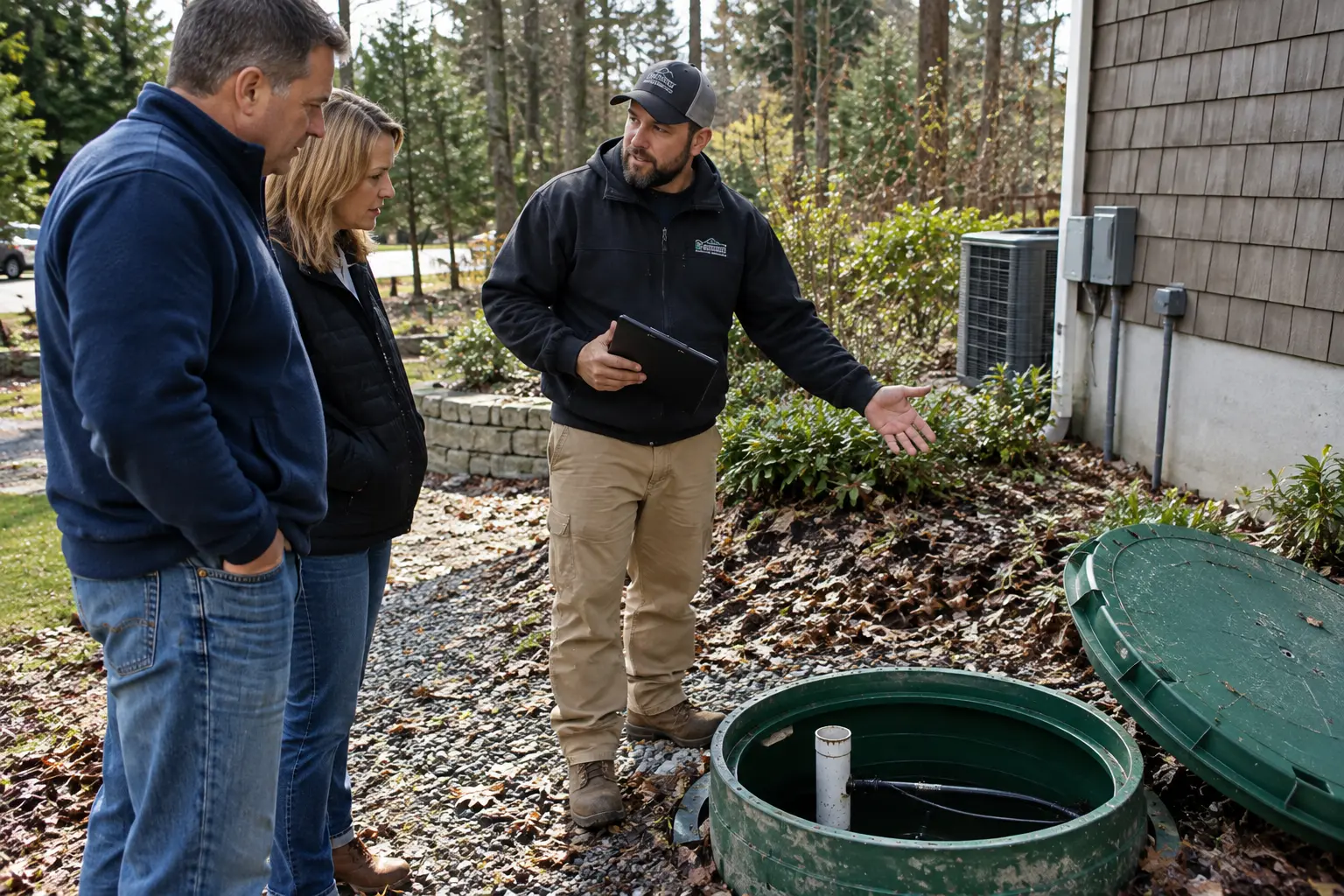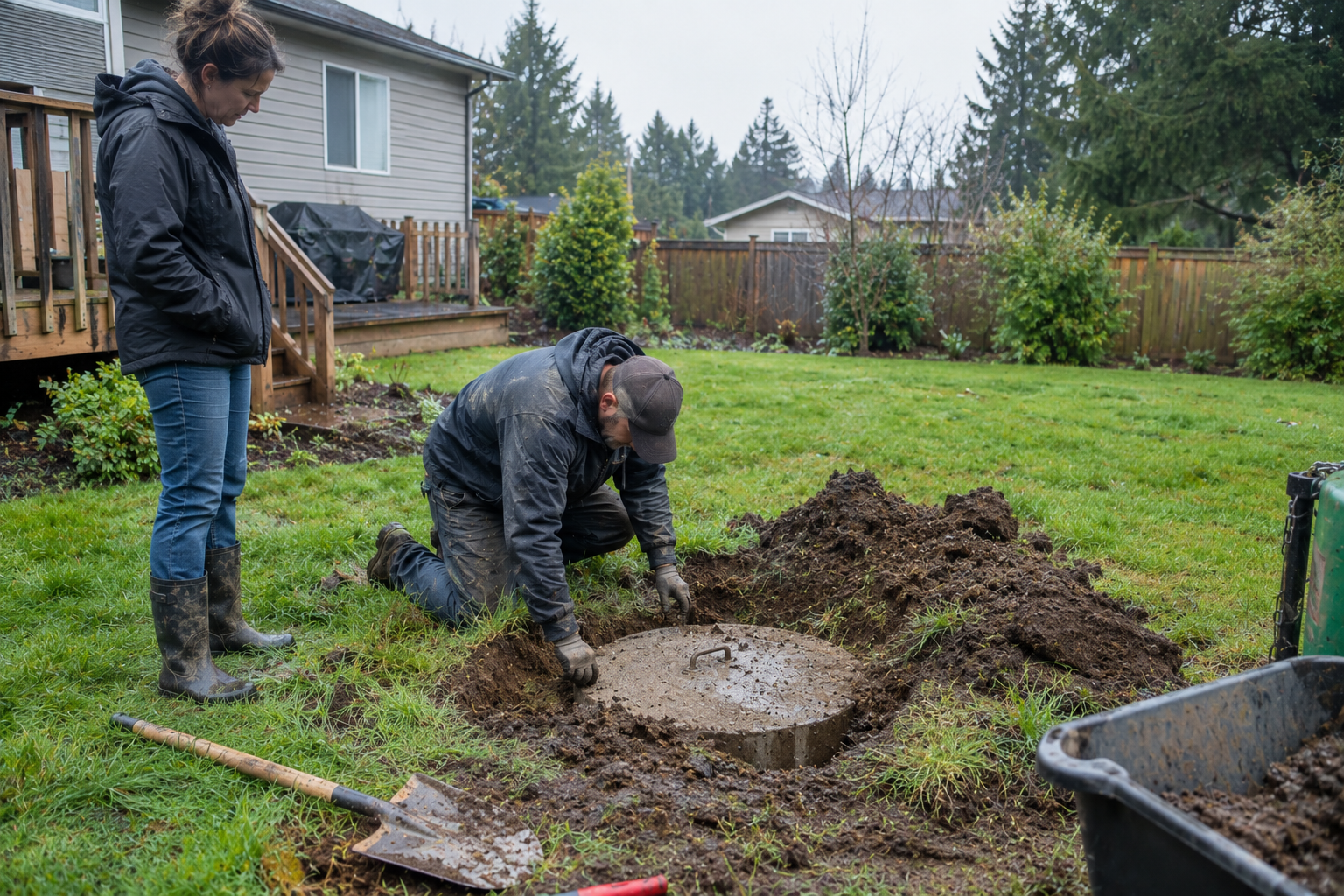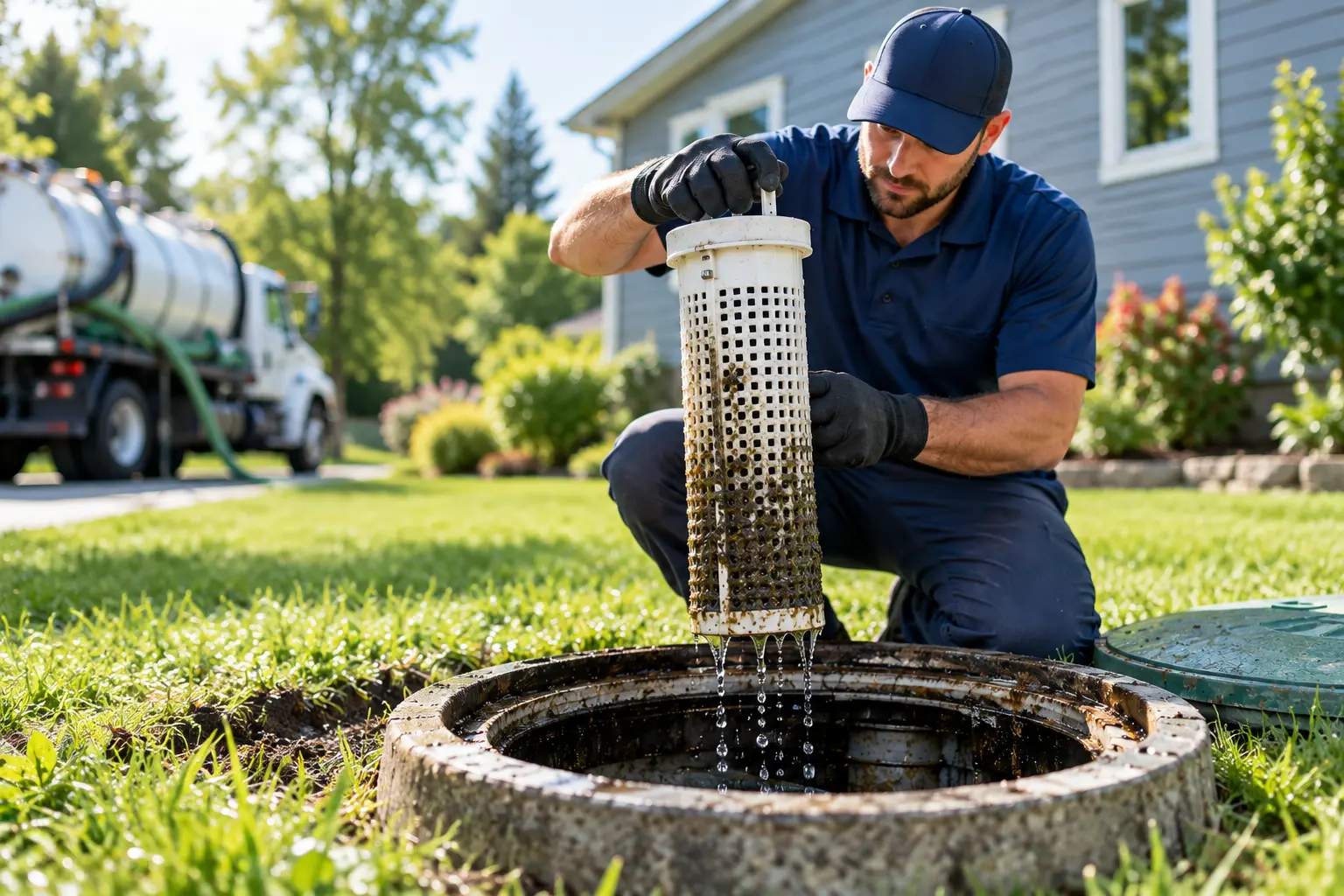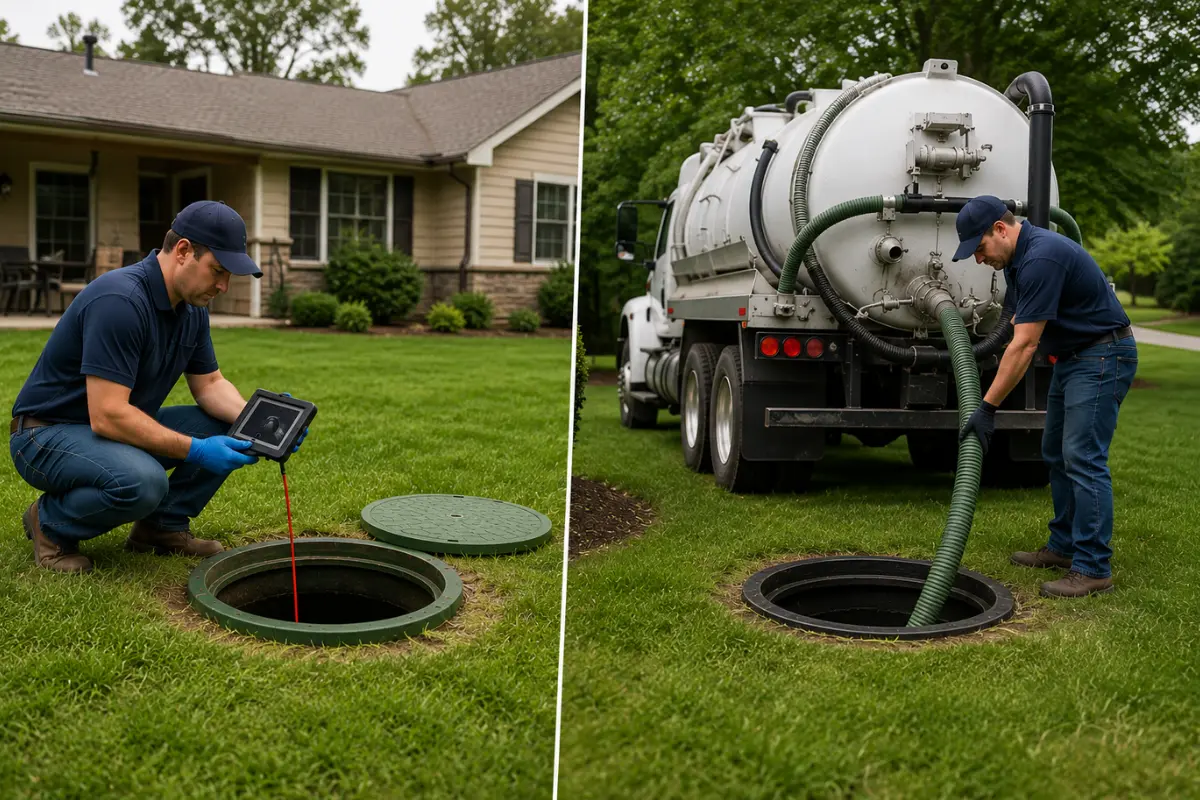
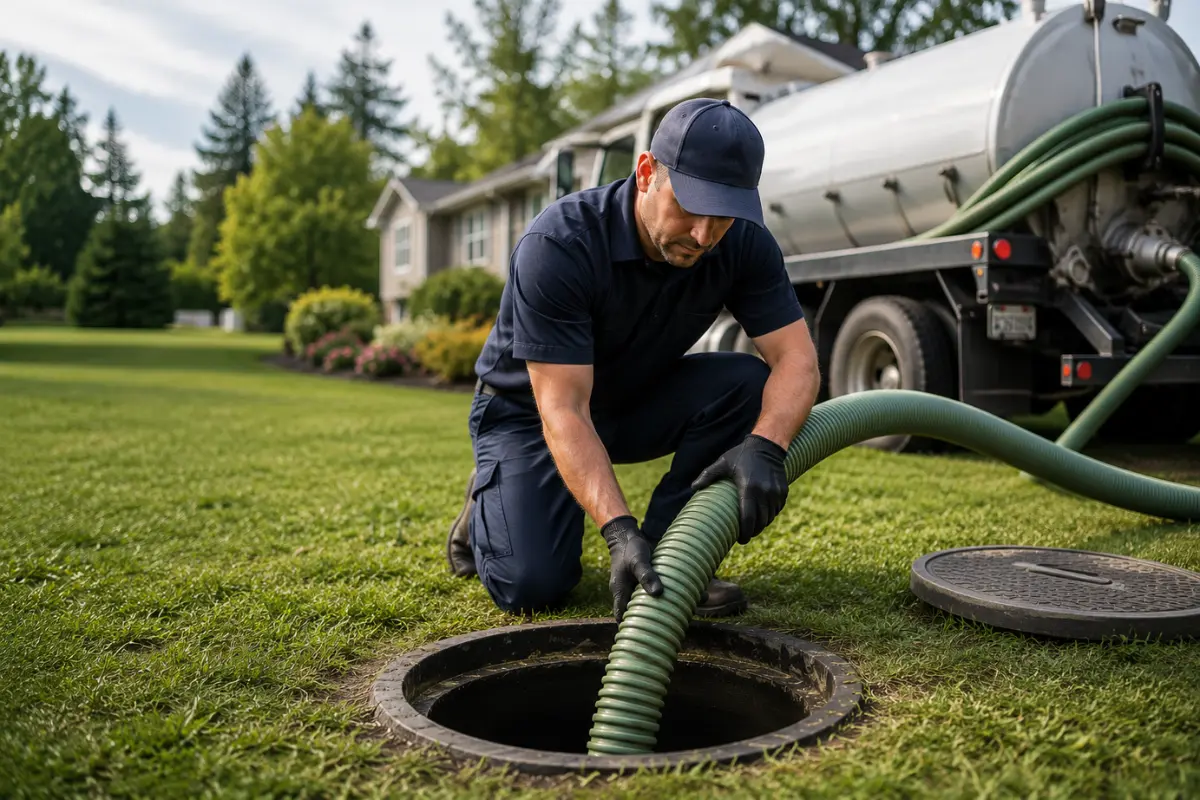
Your septic tank works quietly behind the scenes, treating and storing wastewater from your home every day. Over time, however, solid waste builds up inside the tank and must be removed through routine pumping. Ignoring regular maintenance can lead to unpleasant odors, slow drains, sewage backups, and expensive repairs.
Recognizing the signs your septic tank needs pumping early can help you avoid unexpected problems and keep your septic system operating efficiently. Here are five warning signs every homeowner should know.
Why Regular Septic Pumping Is Important
A septic tank separates wastewater into three layers: solids settle at the bottom, oils and grease float to the top, and liquid wastewater flows to the drain field for treatment. As solids accumulate, the tank gradually loses its storage capacity.
If the tank is not pumped on schedule, excess solids can enter the drain field, increasing the risk of clogs, system damage, and costly repairs.
1. Slow Drains Throughout Your Home
One of the first signs your septic tank needs pumping is slow drainage in multiple plumbing fixtures.
If your sinks, bathtubs, showers, and toilets all begin draining more slowly than usual, your septic tank may be reaching capacity. While a single slow drain often indicates a local clog, multiple slow drains usually point to a septic system issue.
What to watch for:
- Slow-draining sinks
- Water backing up in showers
- Toilets flushing slowly
- Gurgling sounds from drains
2. Sewage Odors Around Your Home
A healthy septic system should not produce noticeable odors.
If you smell sewage near your septic tank, drain field, or inside your home, it may indicate that the tank is becoming full or wastewater is not flowing properly.
Persistent odors should never be ignored, as they often signal a developing septic problem.
3. Standing Water or Wet Spots in the Yard
Unexplained puddles or soggy ground around your septic tank or drain field are another common sign your septic tank needs pumping.
When the tank becomes too full, wastewater may not flow through the system efficiently, causing excess moisture to surface in your yard.
Look for:
- Wet areas even when it has not rained
- Standing water near the drain field
- Bright green grass growing faster than surrounding areas
4. Sewage Backing Up Into Your Home
Sewage backups are one of the clearest signs your septic tank needs pumping and should be addressed immediately.
You may notice:
- Water backing up into tubs or showers
- Toilets overflowing
- Wastewater coming back through floor drains
If this happens, stop using water and contact a septic professional as soon as possible. Continuing to use the system can make the problem worse.
5. It Has Been More Than Three to Five Years
Sometimes there are no obvious warning signs until the system fails.
Most residential septic tanks should be pumped every three to five years, depending on:
- Household size
- Tank capacity
- Water usage
- Garbage disposal use
If you cannot remember the last time your septic tank was pumped, it is a good idea to schedule an inspection.
How Often Should You Pump Your Septic Tank?
Although every home is different, these general guidelines can help:
| Household Size | Recommended Pumping Frequency |
|---|---|
| 1–2 people | Every 4–5 years |
| 3–4 people | Every 3–4 years |
| 5+ people | Every 2–3 years |
Regular pumping is one of the simplest ways to extend the life of your septic system and avoid expensive repairs.
Tips to Keep Your Septic System Healthy
Routine maintenance goes beyond pumping. You can also help protect your septic system by:
- Conserving water during peak usage.
- Fixing leaking faucets and running toilets.
- Avoiding flushing wipes, paper towels, or hygiene products.
- Keeping grease, oils, and chemicals out of your drains.
- Parking vehicles away from the drain field.
- Scheduling regular septic inspections.
Frequently Asked Questions
How do I know if my septic tank needs pumping?
Common signs include slow drains, sewage odors, standing water near the drain field, gurgling pipes, and wastewater backing up into your home.
Can I wait until my septic tank is full?
No. Waiting until the tank is full increases the risk of drain field damage, sewage backups, and costly repairs. Routine pumping is much less expensive than repairing a failed septic system.
How often should a septic tank be pumped?
Most homeowners should pump their septic tank every three to five years, depending on household size and water usage.
Will pumping fix slow drains?
If a full septic tank is causing the problem, pumping often restores normal drainage. However, persistent slow drains may require a professional inspection to identify other issues.
Is septic pumping worth it?
Yes. Regular pumping helps prevent system failures, extends the lifespan of your septic system, and reduces the risk of emergency repairs.
When to Call a Professional
Contact a septic professional if you notice:
- Multiple slow drains throughout your home
- Persistent sewage odors
- Standing water near the septic tank or drain field
- Gurgling toilets or drains
- Sewage backing up into sinks, tubs, or toilets
- It has been more than three to five years since your last septic pumping
Prompt service can help prevent more serious damage and protect your home’s septic system.
Schedule Septic Pumping in Pierce, Thurston, and King County
If you’ve noticed any signs your septic tank needs pumping, don’t wait until a minor issue turns into a costly repair. Sterling Septic & Plumbing provides professional septic pumping, inspections, and maintenance for homeowners throughout Pierce County, Thurston County, and King County, Washington.
Whether your drains are slowing down, you’ve noticed unpleasant odors, or it’s simply time for routine maintenance, our experienced team is here to help. Contact Sterling Septic & Plumbing today to schedule reliable septic service and keep your system running smoothly year-round.