Since septic systems are buried underground and out of sight, it’s easy to misunderstand how they work. A lot of homeowners have ideas about their septic tanks that just aren’t quite right. Believing these septic tank myths can lead to some pretty big, expensive headaches. Let’s clear up some of these common mix-ups and help you keep your septic system running smoothly.
Myth #1: “If It’s Not Backing Up, It’s Working Fine”
You might think, “Hey, no sewage in the yard, no water backing up in the shower – everything’s great!” But that’s not always the case. A septic system can be slowly failing for months or even years before you see any signs. It’s like your car: it might still drive, but if the “check engine” light is on, you know there’s a problem brewing, even if it hasn’t broken down yet.
Your drain field can get clogged with solids that escape the septic tank little by little. You might not notice it until the ground is completely soaked, and then, suddenly, you’ve got a major backup. So, just because your septic tank isn’t backing up right now doesn’t mean you’re in the clear. Regular septic system inspections are the best way to avoid surprises.
Myth #2: “Septic Tanks Don’t Need to Be Pumped If They’re Working Properly”
Many homeowners figure that if their septic tank isn’t backing up, then they can skip septic tank pumping services. That’s a potentially costly misunderstanding. Here’s the truth:
A septic tank’s job is to separate solids from liquids. Heavy solids sink to the bottom as sludge, while grease and oil float to the top as scum. If these layers get too thick, they take up too much space in your septic tank. Eventually, solids can reach your drain field, clog up the pipes, and contaminate the soil. When that happens, you’re looking at potentially expensive repairs or even a drain field rehab.
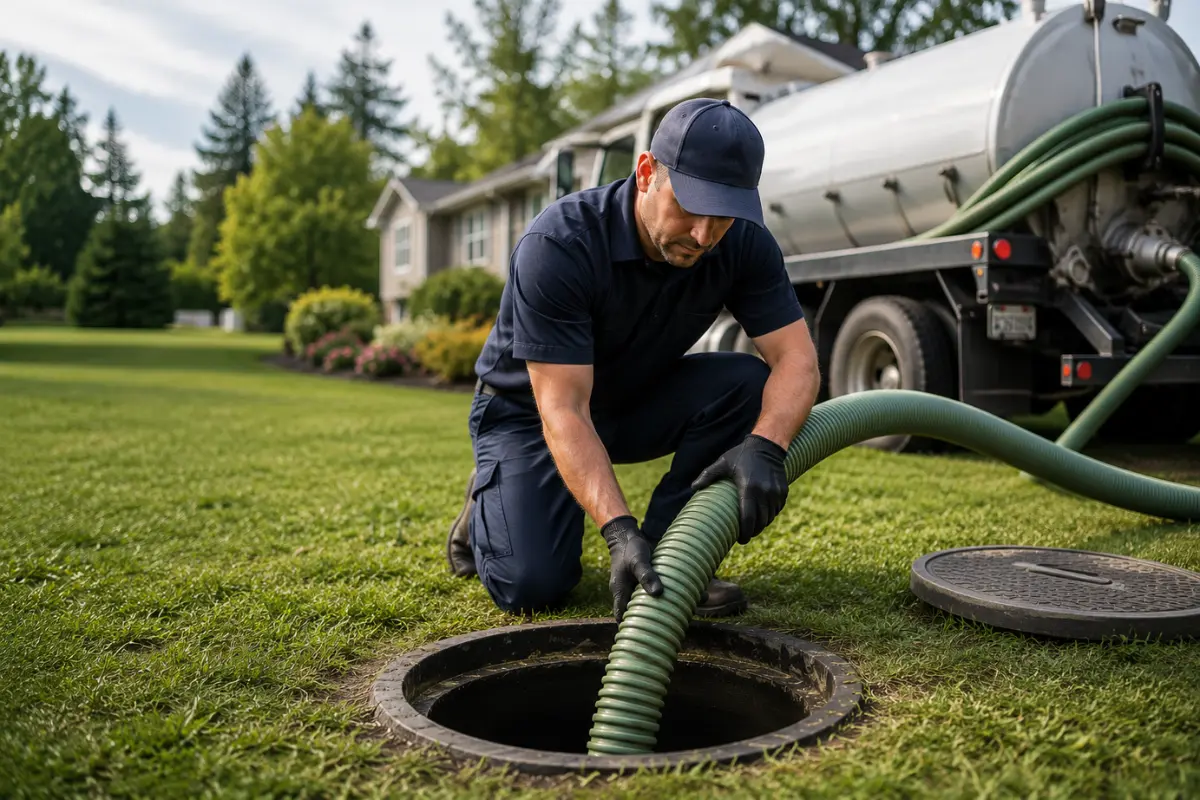
Pumping your tank regularly removes these built-up solids, so you’re back at full capacity, and your drain field gets some relief. Most septic tanks need pumping every 3-5 years, depending on your household size. The best way to determine that your septic tank doesn’t need to be pumped is to let Sterling Septic & Plumbing take a look.
Myth #3: “It’s Only Backing Up Because It’s Rained a Lot”
Of all the septic tank myths, this one might be the most common in the rainy northwest. While a lot of rain can put extra stress on your system, it’s not the only reason for a septic tank backing up. A septic system that’s working correctly should handle even heavy rainfall just fine. If your septic tank is backing up after rain, it usually means there’s a problem in the septic system. If you notice backups after wet weather, it’s a warning sign that you need a septic inspection.
Myth #4: Additives Eliminate the Need for Maintenanc
Most experts, including the EPA, agree that these additives usually aren’t needed and can even cause harm. Your septic tank already has all the bacteria it needs to break down waste efficiently. Adding extra chemicals or other additives can disturb this natural balance. Some additives can even contribute to drain field issues and clogs. Instead of spending money on additives, invest it in septic system repairs and maintenance.
Myth #5: You Can Flush Wipes
Even though they are advertised as “flushable,” bathroom wipes are very different from regular toilet paper. They don’t break down easily in water and are often made with fibers that take much longer to decompose. When you flush these wipes, they can create buildup in your pipes, pump, and septic tank. Here’s the truth: The only things that are flushable are human waste and toilet paper.
How Septic Systems Actually Work
To understand why these common 5 septic tank myths simply don’t hold water, it helps to know how your septic system actually works.
The Septic Tank
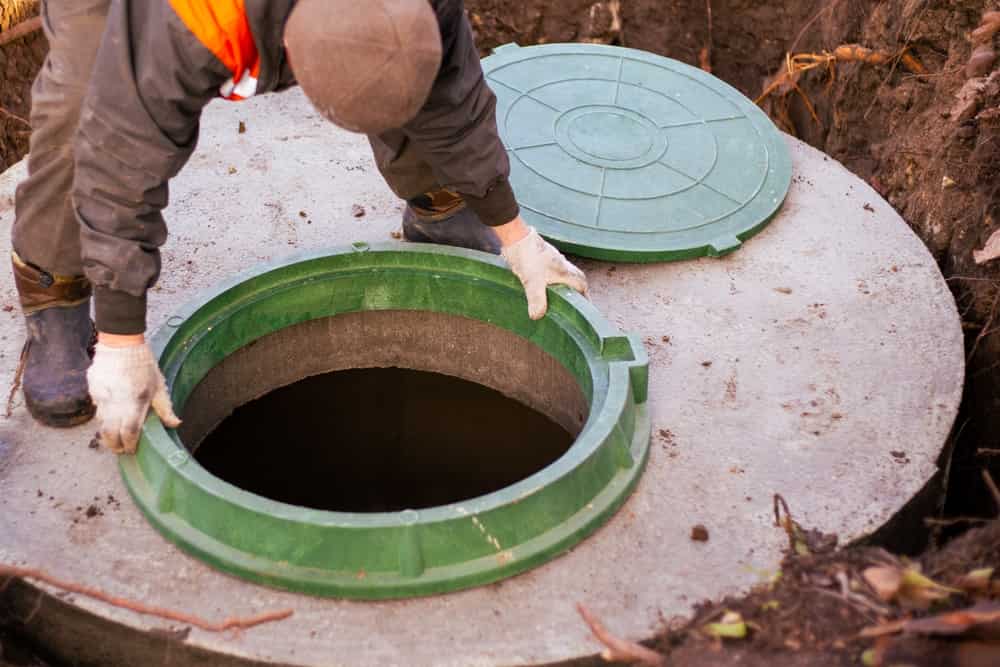
All wastewater from your house flows into a large tank beneath your lawn. Solids settle on the bottom, and grease floats to the top. The cleaner water in the middle is called effluent.
The Bacteria
The bacteria already in the wastewater break down some of the solids in the sludge and scum.
The Drain Field
The partially filtered liquid leaves the septic tank and goes into the drain field—a network of pipes with holes, buried in gravel. As the wastewater seeps into the surrounding ground, the soil acts as a natural filter.
Pump Chambers
Some homes use a pump to push the liquid to the drain field. These chambers are often where septic alarms are located to warn you if the water level gets too high.
With proper maintenance and timely repairs, your septic system will be healthy and efficient for many years. If you live in Pierce, Thurston, or King Counties, contact Sterling Septic & Plumbing for an inspection or routine maintenance.