What Septic Tank Maintenance Do I Need in Washington?
The recommended maintenance for a septic tank includes regular inspections, tank pumping, proper waste disposal, and efficient water usage. On average, septic systems should be inspected every 1 to 3 years, and tanks should be pumped every 3 to 5 years. However, the frequency of septic tank maintenance required by your system depends on several factors.
Sterling Septic & Plumbing offers septic inspections, repairs, tank pumping, and expert advice on the factors that affect your septic system. Discover how to protect your septic system when you contact us today.
How Septic Systems Work
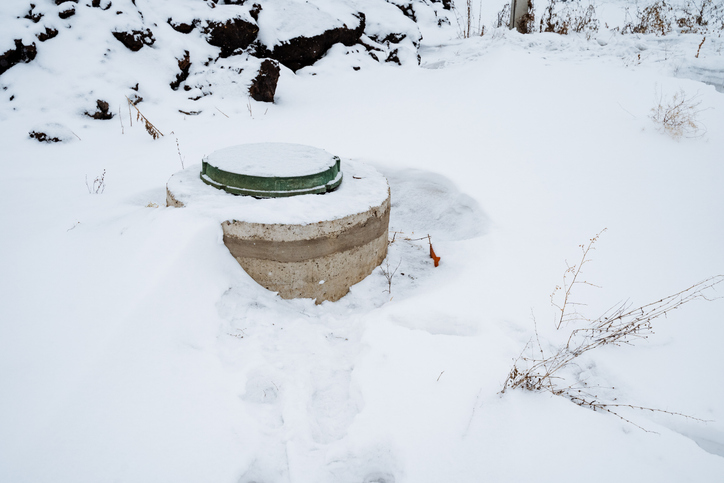
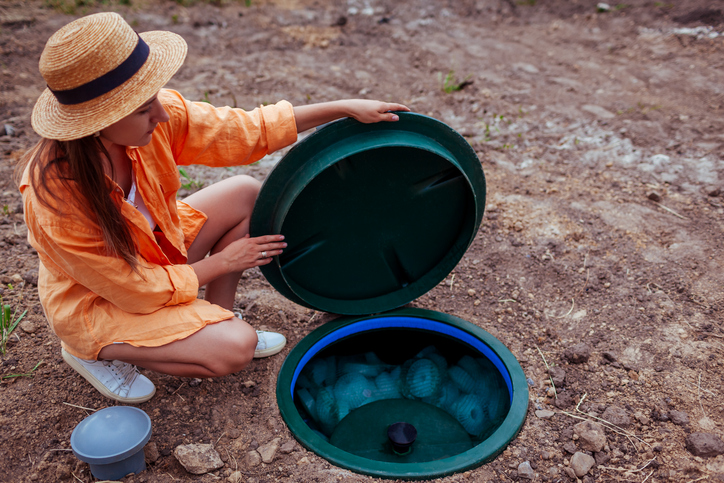
A typical septic system consists of a septic tank and a drainfield. Once wastewater enters the septic tank, solids settle to the bottom as sludge and oils, fats, and other lightweight materials float to the surface, creating a layer of scum. Naturally occurring bacteria break down organic matter in the sludge, and the wastewater is discharged to the drain field.
In conventional systems, the wastewater is discharged from the septic tank into perforated pipes buried in the drainfield. Once the wastewater settles in the drainfield, it’s slowly released into the soil, where it filters out pathogens and pollutants. Alternative systems may use sand, organic matter, or other filtering media to remove the contaminants. As long as a system receives adequate septic tank maintenance and timely repairs, it can work safely and efficiently for decades.
Septic System Inspection Schedule
Septic systems in Washington State with a tank and a gravity-fed drain field must be inspected at least once every three years. Pressurized septic systems, sand filters, and other systems with mechanical components require annual inspection. Note that your local city or county health department may have unique regulations for the maintenance of your septic tank.
The ideal frequency for inspections and septic tank maintenance depends on the size of your household, the type of septic system, and other factors. Large households, for example, often result in excessive water usage, from dishwashing to showers and baths. If your system gets heavy usage, especially if it’s old or undersized, more frequent septic tank inspections may be beneficial.
Septic Tank Maintenance: Pumping Frequency
When a septic tank isn’t pumped often enough, the entire septic system operates under unnecessary strain. An overloaded septic system can lead to contaminated groundwater, further damage, and other unwelcome consequences. It’s essential to recognize that septic tank maintenance costs are significantly less than installing a new tank or other septic system components.
In Washington State, a general guideline is to invest in septic tank pumping every 3 to 5 years. However, the optimal frequency for your septic tank maintenance varies based on factors such as household size, water usage, and garbage disposal usage.
Septic tanks serving larger households, for example, typically require more frequent septic tank pumping. Small households can have their septic tanks pumped less often, but still require mandatory inspections.
While typical pumping schedules are adequate under most circumstances, there are signs your septic tank may need pumping sooner rather than later. If you notice any of these red flags, a septic tank maintenance company can diagnose the issue.
Unusually damp soil or pooling water near your septic tank or drain field can indicate septic leaks, damaged lines, a failing drainfield, or a full tank.
Unpleasant odors near indoor drains or a septic system are common signs of an overloaded septic tank or a failing drainfield.
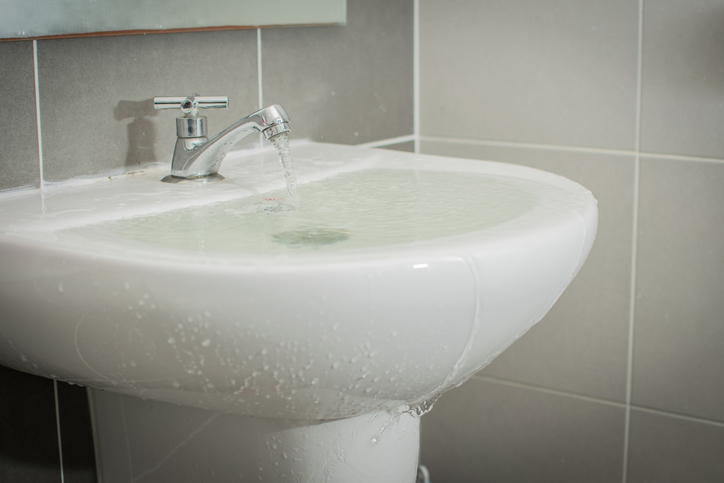
Slow-moving kitchen and bathroom drains, as well as standing water, can be signs of a plumbing clog or a full or damaged septic tank.
Changes in toilet behavior like slow flushing, gurgling noises, and sewage backups are often caused by a full septic tank or clogged main line.
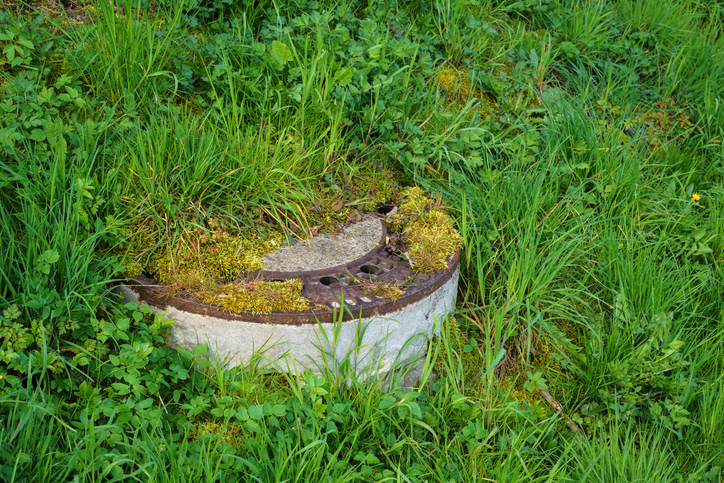
Lush, flourishing grass near your septic tank could indicate a leak, overflowing, or other issues that are allowing wastewater to escape.
Along with recommended septic tank maintenance, it’s essential to keep service and repair records. In Washington State, permits are required for septic tank installation or replacement and a Report of System Status is required for a property sale.
Drainfield & Landscaping Care
Along with regular septic tank maintenance, it’s vital to protect and maintain your system’s drainfield. When a drainfield fails, wastewater can contaminate nearby groundwater, and sewage can back up into a home or business.
Drainfields and drainfield lines can be damaged by root intrusion, component failure, or overuse. Proper maintenance of a septic tank, managing nearby landscaping, and regular inspections can help keep your drainfield in excellent condition.
Effluent filters help remove more solids before the wastewater is distributed to the drainfield. The filters are installed on the outlet of the septic tank and act as barriers that trap debris that could cause clogs or damage to a drainfield and other components. The next time you have your septic tank pumped, consider having your technician install an effluent filter for extra protection.
Follow landscaping best practices by protecting your drain field and septic tank from roots that can cause potentially severe damage. Carefully consider where you plant landscaping and gardens to ensure plant roots can’t reach your septic system. If you are unsure about the dangers of existing landscaping or planting new foliage, a professional septic tank maintenance company is the ideal resource for guidance.
Household Habits that Protect Your System
There is no substitute for regular septic inspections and septic tank maintenance for keeping your septic system in peak condition. Identifying leaks, performing repairs, and septic tank pumping are definitely not DIY tasks. However, there are household habits that are proven to help septic systems work more efficiently and last longer.
Reducing the amount of wastewater produced can help your septic system work more efficiently and minimize the need for frequent maintenance of a septic tank. Adopting habits to reduce wastewater can increase the longevity of a septic system and decrease septic tank maintenance costs.
- Install faucet aerators in kitchens and bathrooms
- Invest in a modern, high-efficiency toilet
- Consider water-efficient washing machines and dishwashers
- Repair leaks and other plumbing issues in a timely manner
- Take shorter showers to decrease water usage and save on utility costs
- Wash full loads of laundry and dishes
Water usage has a direct impact on a septic system’s health and how quickly a septic tank fills up and needs pumping. What goes down your drains and toilet can have an even greater impact on the frequency of septic tank maintenance. Here is a partial list of things that should never reach your septic tank:
- Cat litter
- Cleaning wipes
- Coffee grounds
- Cotton balls
- Diapers
- Feminine hygiene products
- Grease and cooking oils
- Hair
- Paint, harsh chemicals, or solvents
- Paper towels
Remember: your septic tank may manage some of the most unpleasant waste, but it’s not a catchall for garbage. The only things that should make it into your septic tank are human waste, toilet paper, and household wastewater.
When to Call Sterling Septic & Plumbing
If you notice signs of a full septic tank, can’t remember the last time you had any septic tank maintenance, or suspect a clog, Sterling Septic & Plumbing can help. Customers can count on us for septic pump replacement, mainline repairs, and drain field rehabilitation. Here are a few reasons communities across King and Pierce Counties trust us to keep plumbing and septic systems in peak condition.
- Field-proven septic technicians who can tackle septic repairs, tank installations, drain field rehab, and more.
- High-quality customer service and stellar customer reviews ensure peace of mind.
- Competitive rates to ensure customers get superior septic services without sacrificing quality or breaking budgets.
- Emergency services for plumbing and septic system emergencies are available to minimize frustration and potential damage from clogs, leaks, or other issues.
Instead of searching for septic tank maintenance near me, save time and frustration with a family-owned local business that offers proven solutions. When you need help with your septic system, Sterling Septic & Plumbing is your one-call resource for septic tank maintenance, minor and major repairs, and upgrades.