Septic Tank Failure: Know the Signs
A well-maintained septic system is essential for managing wastewater safely and reliably. When it’s working well, you hardly notice it. But when problems arise, they can quickly become messy, unpleasant, and expensive. Learn the warning signs and contact Sterling Septic & Plumbing for inspections and repairs.
Why Early Detection of Septic Tank Failure Matters
Detecting septic system problems early can help minimize the need for expensive repairs down the road. Additionally, a failing septic tank can contaminate groundwater and create unsanitary conditions. Early detection of septic issues offers these and other benefits:
- Repair minor issues before they become more serious
- Protect your property value
- Keep your home and family safe from contamination
- Extend the lifespan of your septic system
Recognizing the early indicators of septic tank failure can help prevent extensive septic repairs, health hazards, and environmental damage. Like most homeowners, you may be wondering, “How do I know if my septic tank is failing?”
10 Common Warning Signs of Septic Tank Failure
Most of your septic system is hidden, so it’s easy to overlook small warning signs when something starts to go wrong. From clogged sewer lines to septic tank pump failure, here are ten common signs that your septic system may need tank pumping or repairs.
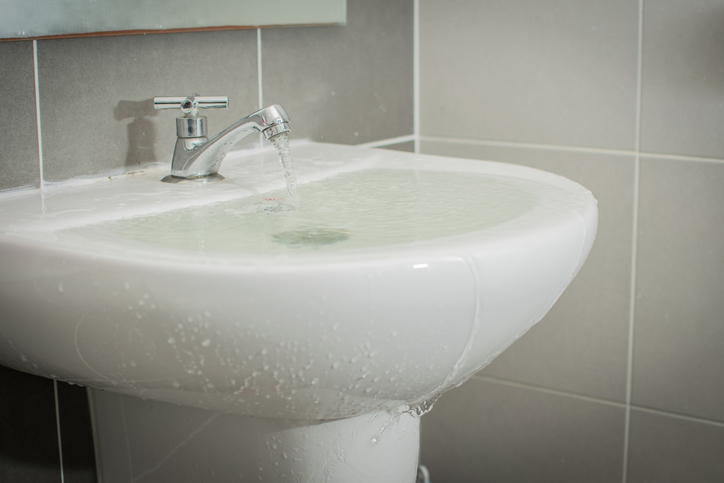
- If sinks, tubs, or toilets drain slowly, your septic tank may be near capacity or have a blockage in the drain field.
- Bubbling or gurgling noises from drains can signal trapped gas or backups forming in the system.
- If wastewater backs up into your toilets, sinks, or showers, your septic system is likely failing.
- A strong sewage smell around drains, the yard, or near the septic tank area indicates leaking or overflow.
- Standing water or soggy areas near your drain field may mean effluent isn’t being absorbed properly.
- Greener or faster-growing grass in one area of your yard often points to nutrient-rich wastewater leaking below the surface.
- Toilets that don’t flush completely or require multiple flushes could signal a blockage or a full tank.
- For homes with wells, regular testing can reveal contamination from a failing septic system.
- If your property is near a waterway, excess nutrients from your septic system can promote the growth of algae.
- Systems over 20–25 years old are more prone to damage, such as leaks and cracks.
Keep an eye out for signs of septic tank failure. If you notice any of these warning signs, it’s time to call a septic repair and maintenance company.
What Causes Septic Tank Failure?
Septic tank failure usually results from a combination of poor maintenance, overuse, or natural wear and tear over the years. The most common causes of septic problems include:
Infrequent Tank Pumping
When solids build up and aren’t pumped out regularly, they clog pipes and the drain field.
Flushing Harmful Materials
Items like baby wipes, feminine hygiene products, paper towels, and grease can lead to buildup and blockages.
Excessive Water Use
Excessive water use can overwhelm a septic tank and other septic components and prevent the system from breaking down waste properly.
Root Intrusion
Roots can infiltrate tanks and pipes, causing cracks and blockages.
When septic tanks can corrode, leak, or lose structural integrity. Understanding what causes these issues can help prevent them and keep your septic system in good health.
How Homeowners Can Help Protect Their Septic Systems
A regular DIY septic tank inspection and a few simple habits can make a significant difference in performance and longevity. Many septic issues start small and can be easily managed if you catch them early. Here are a few ways to monitor your septic system in between septic system inspections:
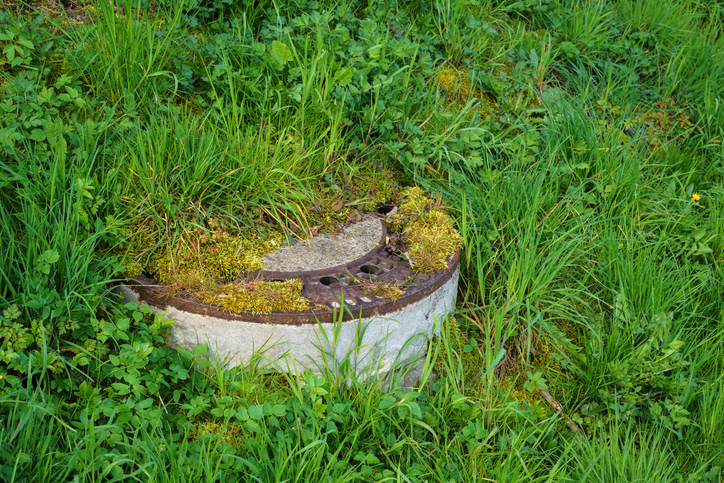
Know Where Your Septic Tank is Located
Identify where your septic tank and drain field are located so you can keep an eye out for warning signs.
Maintain Records
Keep a log of septic system inspections, tank pumping, and repairs to ensure your system is maintained properly.
Conserve Water
Only clean full loads in your washing machine and dishwasher, and install water-efficient fixtures to conserve water.
Minimize Garbage Disposal Use
Use garbage disposals sparingly to reduce the amount of solids entering the septic tank.
By paying attention to what goes down your drains and investing in professional maintenance, homeowners can catch potential problems before they get worse.
When to Call a Professional for a Septic System Inspection
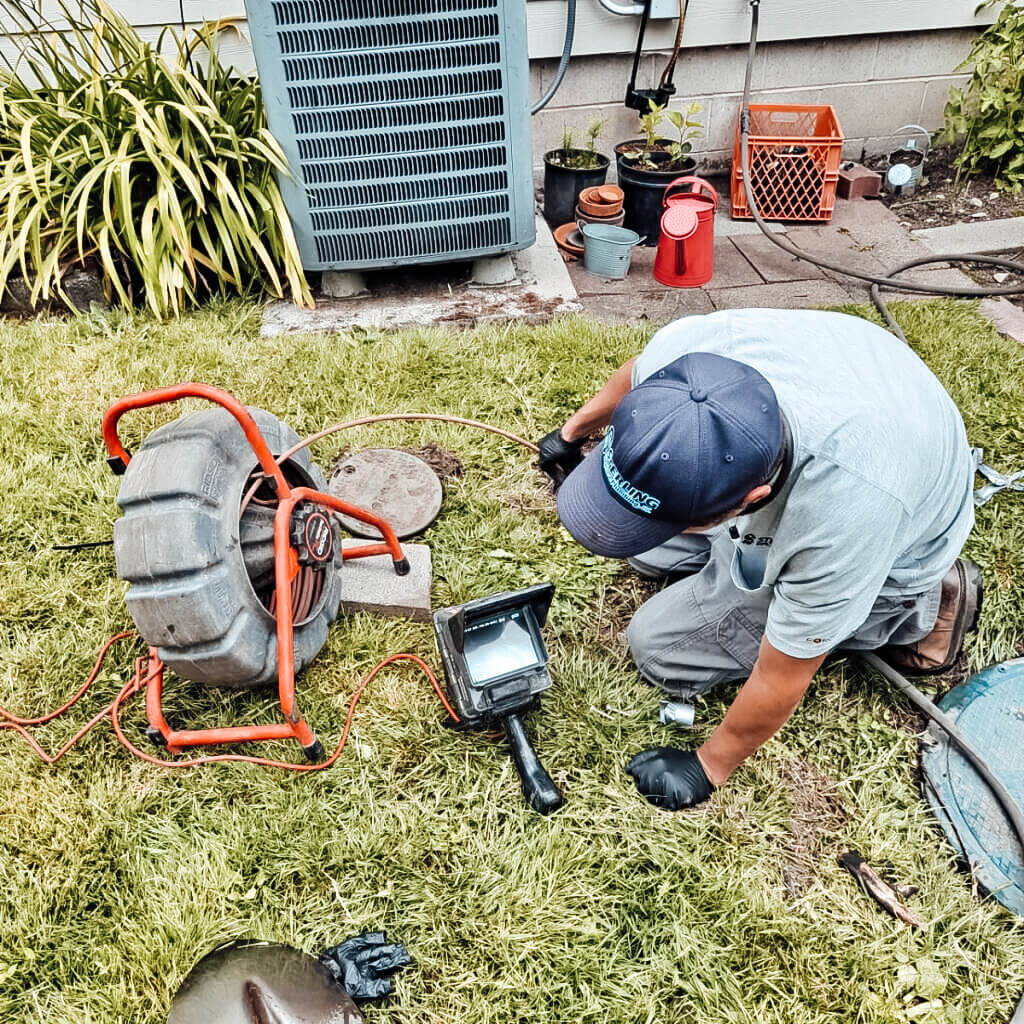
Professional inspections and repairs are essential for keeping your septic system healthy. While you can spot many warning signs on your own, only a licensed septic technician has the tools and training for a comprehensive inspection. You should call a licensed septic company if:
- You notice slow drains or odors
- Your system hasn’t been inspected in 3–5 years
- You’re selling or buying a home with a septic tank
- Your drain field area feels soft, spongy, or has standing water
A professional can use specialized tools to diagnose problems like damaged lines and septic tank pump failure. They can also check the tank’s sludge and scum levels to determine if tank pumping is needed. Sterling Septic & Plumbing serves Pierce and King County communities and has technicians ready to check your septic system whenever you need us.
What Happens If You Ignore the Signs of Septic Tank Failure?
Ignoring signs of septic system issues allows small issues to evolve into major problems. Beyond the expense of extensive repairs, a faulty septic system can cause these and other issues:
Sewage Backups
Wastewater backing up into your home can cause significant damage and create an unpleasant and unhealthy environment.
Groundwater Contamination
A leaking septic tank can contaminate wells and other water sources.
Health Hazards
Septic tank damage can allow bacteria, viruses, and pathogens to escape, causing potentially serious health risks.
Environmental Damage
Contaminated septic system overflow can harm nearby lakes and streams and the wildlife they harbor.
Acting quickly when you notice changes in how your septic system performs protects your family and property, and ensures your system meets Washington State regulations.
Preventative Maintenance for a Healthier Septic System
If the septic system is properly maintained, the tank can last between 15 and 40 years and the leach field may last up to 50 years or more. Extending the life of your septic system and preventing septic tank failure starts with professional maintenance.
Filter Cleaning
If your system has an effluent filter, make sure it’s included in your inspection schedule to protect the leach field and prevent clogs.
Septic Tank Pumping
A typical septic tank needs pumping every 3–5 years, depending on household size and water use.
Annual Inspections
Have a septic professional check your system at least once a year for potential and existing issues.
Regular maintenance is significantly cheaper than repairing or replacing a failed system and prevents the release of harmful bacteria, viruses, and pollutants into the environment. Proper maintenance also helps protect your property value.
Frequently Asked Questions
Is septic maintenance that important?
Septic tank failure and other septic issues can lead to expensive repairs for your septic system and home. Being aware of warning signs and investing in timely repairs and maintenance helps protect your septic system and family.
How often should I have a septic tank inspection and pumping?
Most experts recommend tank inspections every 1–3 years and pumping every 3–5 years, depending on your tank size, household occupancy, and water usage. Homes with more residents or heavy water use may need more frequent maintenance. Your septic technician can help determine the best schedule for your system.
How do I know if my septic tank is failing?
The most obvious signs are slow drains, sewage odors, pooling water, or backups in your home. You might also notice greener grass over the drain field or hear gurgling from your plumbing. If you observe any of these, call a septic professional immediately for an inspection.