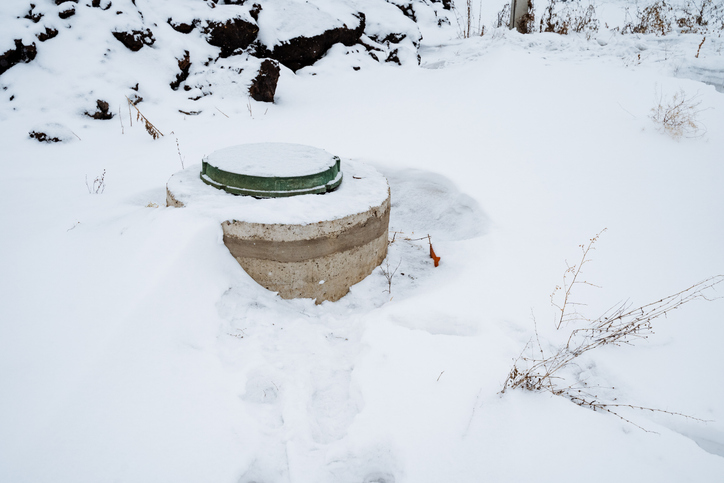
Can a Septic System Freeze?
While most septic systems typically aren’t at risk of freezing in winter, it is possible in certain circumstances. In Washington State, the average minimum temperature in January can drop to 30° F, below the freezing point of water. Can a septic system freeze even at these relatively mild temperatures? The chances of your septic system freezing depend on the system’s depth, how long it stays below freezing, and how well your septic system has been maintained.
If you are a homeowner who is unsure about your septic system’s location and health, contact Sterling Septic & Plumbing to assess your risk.
Why Cold Weather Is a Risk for Your Septic System
Cold weather is a risk for plumbing and septic systems because freezing temperatures can damage sewer lines, tanks, and drainfields. Because frozen water expands, sewage lines can crack or experience obstructions. Here is a breakdown of the most common risks to septic systems in freezing temperatures.
Frozen Pipes
Winter weather can cause sewer lines to freeze, which can lead to cracked lines, obstructions, and other damage. The sewer lines between a home and the septic tank and the lines between your tank and the drain field are especially vulnerable.
Increased Usage
The winter holidays usually mean gatherings of family and friends that can put additional strain on a septic system. Even if a system doesn’t freeze, the extra usage can be too much for a septic system that is already working harder due to the cold weather.
Reduced Bacteria
The beneficial bacteria that septic tanks rely on to break down waste are less active in cold temperatures, making it difficult for the system to break down waste. A reduction in septic bacteria not only slows down decomposition, but it can increase the chances of a clog or tank overflow.
Early Thaws
In areas of the state where snow accumulates, early thaws can cause the melting snow to flood a drain field. Because the drain field can’t handle any more wastewater, it has nowhere to go except back down the line and possibly into your home.
Frozen Soil
Freezing temperatures can also affect a drain field’s ability to absorb wastewater, leading to possible system or home damage. Additionally, frozen soil hinders access to a septic tank if repairs or maintenance are required.
The best way to minimize the impact of freezing temperatures on your septic system is to keep up with maintenance throughout the year and winterize your septic system. If you live in a Pierce or King County community, Sterling Septic & Plumbing can help you be ready with professional maintenance services and repair.
How to Winterize a Septic System
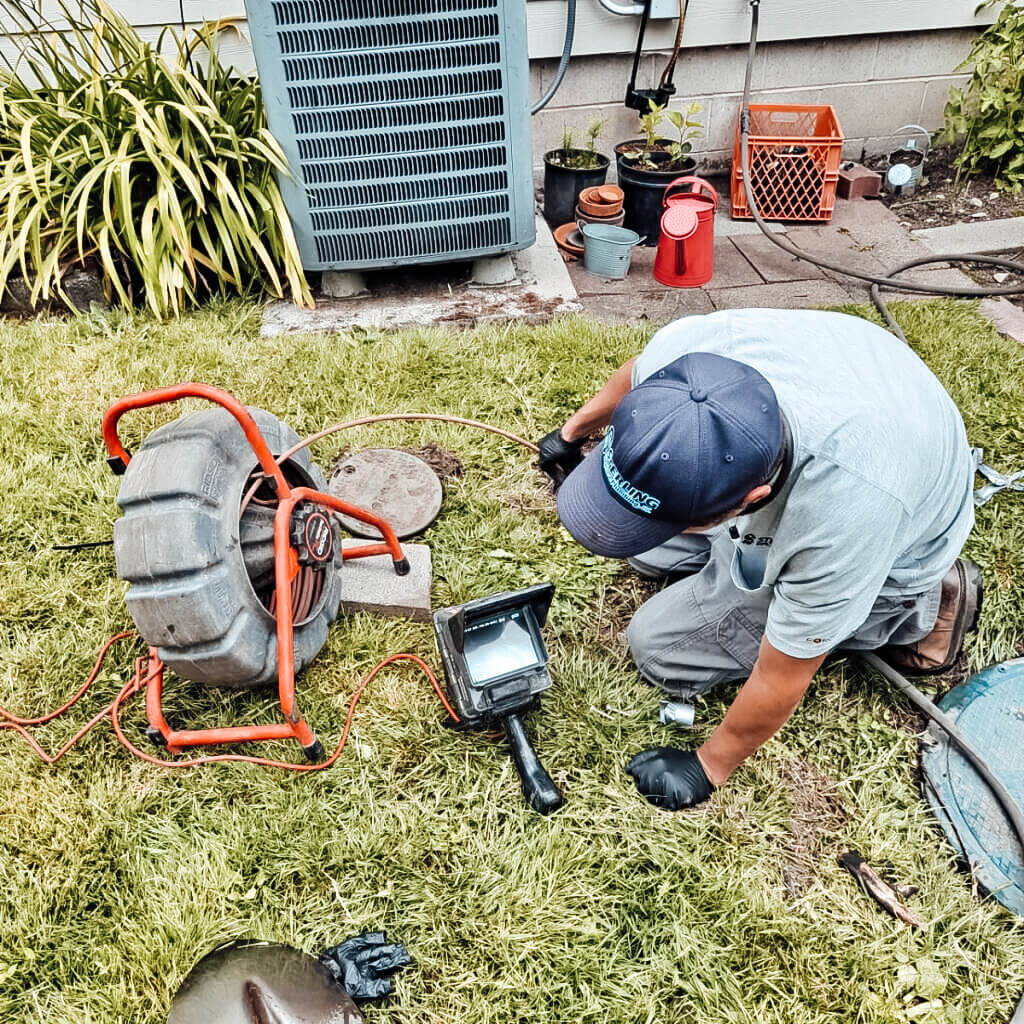
After fall, when the temperatures start to dip, many homeowners concern themselves with winterizing their homes and plumbing systems. But not many think about how to prevent their septic system from freezing. The first step for winterizing your septic system is to get a professional septic tank inspection to assess the system’s health. In addition to an inspection and addressing any needed repairs, homeowners should do their part with these helpful tips.
Repair Leaks
A constantly running toilet or leaking faucet can increase the risk of frozen sewer lines and other system components.
Conserve Water
Running dishwashers and washing machines with only full loads helps minimize the amount of wastewater going into your septic system.
Protect the Drain Field
One of the best ways to protect a drain field from freezing is to allow the grass over your septic drain field to grow longer before winter arrives for extra insulation. Alternatively, an 8 to 12 inch layer of mulch can provide the insulation.
Use Your Plumbing
Yes, this tip may seem to contradict conserving water, but running warm water into the septic system helps prevent freezing and sluggish wastewater circulation.
If you are winterizing a septic system at a home that will be unoccupied through the cold months, it’s essential that your system is inspected and pumped if needed before winter. Other winterizing steps for an unoccupied home include shutting off the water supply, draining the plumbing, and insulating the septic tank and exposed lines.
Signs Your Septic System Is Freezing or At Risk
Signs that your septic system is freezing or at risk include slow drains, gurgling noises, foul odors, and sewage backup. Soggy or frozen soil around a septic system is also a red flag that could indicate there’s a problem. Here are a few of the risks of a frozen septic system.
Slow Drains
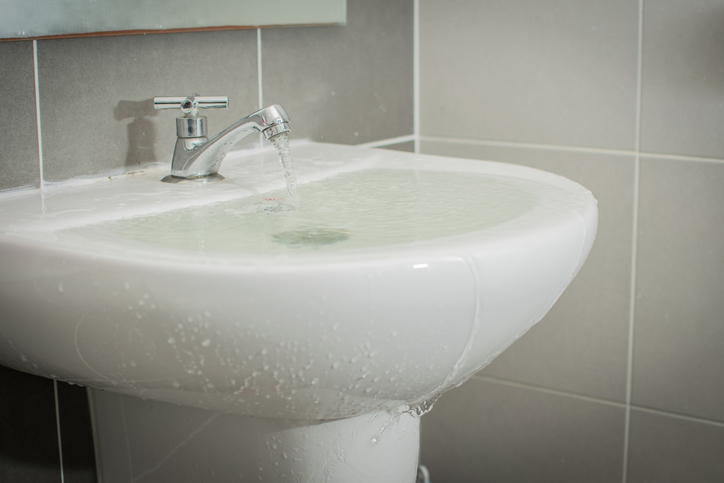
Sinks, showers, and toilets that are draining more slowly than usual could be a sign of a clog, possibly caused by ice buildup.
Gurgling Noises
When wastewater struggles to flow through a septic system properly, you may hear gurgling noises that indicate a blockage.
Sewage Smells
A frozen septic system can’t break down waste fast enough, leading to sewage smells around the system and in your home.
Sewage Backup
A blockage caused by a frozen system can cause untreated sewage to back up into your home.
If you identify any of these symptoms, do not attempt DIY fixes such as using chemicals or heat to unfreeze the system. Instead, let a professional septic service handle the job to ensure your home, health, and septic system are protected.
When to Call a Professional from Sterling Septic & Plumbing
If you notice any signs of a frozen septic system or other issues, Sterling Septic & Plumbing has the expertise and experience to handle all your septic needs. Whether you need frozen septic system repairs, a new sewer line, or tank pumping
in Pierce or King Counties, we’re just a call away. We’ll ensure your septic system is working safely and efficiently and meets Washington State septic regulations.
Frequently Asked Questions
Can septic systems freeze?
Yes, a septic system can freeze. Freezing isn’t likely for most septic systems, but it can occur in severely cold climates and when a system hasn’t been maintained. Components near the surface, sewer lines from a property to the system, and the drain field are usually the first to freeze. Once a section of a septic system freezes, it typically affects the entire system and can easily lead to more damage.
Can septic pipes freeze if I use septic system additives?
Yes, septic pipes can freeze even with an additive. The U.S. Environmental Protection Agency advises consumers not to add chemical or biological septic additives to their system, regardless of the temperatures. Some of the additives available to consumers can actually inhibit the system’s ability to break down waste and potentially damage sewer lines, tanks, and other components. Additionally, municipalities often have specific regulations for septic systems, including the use of additives.
Can you pump a septic tank in winter?
Yes, you can pump a septic tank in winter. However, septic tank pumping in cold weather isn’t ideal due to frozen soil that makes access difficult. When the ground freezes, digging to get to the tank or sewage lines takes significantly more time and work. Aside from the extra work and unpleasant working conditions of winter, there’s also the possibility of the contents of the tank being frozen. Frozen wastewater and solids make septic tank pumping much more challenging.
Should I pump my septic tank right before the freeze hits?
Yes, you should pump your septic tank before the freeze hits—but only if needed. If you’re unsure whether your septic tank has been pumped as recommended, a professional septic inspection can determine if it needs the services. Having the tank pumped before cold temperatures settle in reduces the risk of septic issues through the winter.