
How to Keep Your Septic Tank Healthy: What to Add, and What to Avoid
Investing in a professional inspection every 1 to 3 years and septic tank pumping every 3 to 5 years is recommended for maintaining septic system health. The frequencies of these maintenance tasks are general guidelines for keeping a typical septic system in peak operating condition. However, the ideal frequency for your septic maintenance depends on how you treat your septic tank.
Regular maintenance and knowing what to add to your septic tank (and what to avoid) are essential. Sterling Septic & Plumbing provides inspections, septic repairs, maintenance, and expert guidance for what should and shouldn’t go into your septic tank.
How Your Septic Tank Works
Understanding how your septic tank works makes it easier to learn what to add to a septic tank and what not to put in a septic tank. Conventional septic systems are self-contained systems that distribute water and waste from properties into septic tanks, where bacteria break down the waste. Sludge and solids sink to the bottom of the tank and other waste floats to the top, forming a scum layer.
The wastewater between these layers is then distributed through perforated lines and released into the drain field. A layer of gravel in the drain field filters the wastewater, which is then released into the surrounding soil and groundwater systems. Knowing what to add to a septic tank ensures you can keep your septic system working efficiently and safely.
What You Can Safely Add to a Septic Tank
Under optimal circumstances, the waste-treating bacteria levels in a septic tank will remain at a consistent level. However, there are times when a septic tank needs a boost because of harsh chemicals from cleaners and other contaminants that weaken the bacteria. Knowing what to add to a septic tank and what not to make all the difference in maintaining healthy levels of bacteria.
When considering what to add to your septic tank, it’s essential to know that additives fall into two categories: preventive and proactive. Preventive septic tank additives that are eco-friendly, biodegradable, and chlorine and phosphate-free are safe for bacteria and septic system components. It’s also important to note that septic tanks can’t filter toxins and chemicals, allowing the potentially harmful waste to contaminate nearby groundwater.
If you’ve wondered what to put in your septic tank to break down solids, proactive additives are the solution. Biological additives that contain beneficial bacteria can help existing bacteria stay healthy. Enzyme treatments help bacteria break down organic matter more quickly and are safe to use with other septic tank additives. Oxygen-based tank additives fuel bacterial activity and reduce odor-causing gases.
What to Avoid Putting in Your Septic Tank
Equally as important as knowing what to add to a septic tank is knowing what to avoid. Everything you send down your drains and toilets ends up in your septic tank. Garbage disposals, showers, sinks, and especially toilets offer plenty of opportunities to send the wrong things down the drain. Here are some of the most common items to avoid putting in your septic tank.
- Drain cleaners, bleach, disinfectants, and other products that include harsh chemicals
- Cooking oil and grease
- Paper towels, diapers, and feminine hygiene products
- Prescription and over-the-counter medicines
- Excessive amounts of water and waste
- Plastic and other non-biodegradable materials
What goes down the drain affects how well your septic system works and how often you’ll need repairs and maintenance. You could memorize the list above and learn things like what to not put in a garbage disposal with a septic tank. Or, you could just remember this: wastewater, human waste, and toilet paper are the only things that should ever make it into your septic tank.
Core Septic Tank Maintenance Practices
Knowing what to put in your septic system to break down solids and what not to put in a septic tank is a good foundation. However, proper maintenance, like septic tank pumping and regular septic inspections, are essential. Professional septic services can help keep your septic system healthy and identify issues that could lead to potentially costly repairs. However, there are plenty of preventive maintenance tasks homeowners can do to help maintain their septic tanks.
- Have your tank pumped every three to five years and whenever you detect signs of a full septic tank.
- Monitor water usage and have leaky faucets and toilets repaired to reduce wastewater.
- Dispose of non-biodegradable materials, like paper towels, grease, and chemicals, in the appropriate trash receptacle.
- Use eco-friendly and natural cleaning and disinfecting products to keep the waste-demolishing bacteria healthy.
- Install hair traps and sink strainers in the kitchen, bathroom, and other drains to minimize the amount of solids entering the tank.
- Divert rainwater runoff away from the drain field and protect it from excessive foot traffic, vehicle parking, and roots.
Along with these septic maintenance tasks, it’s critical to guard your septic system against root intrusion. Once roots have broken through, they can restrict wastewater flow, create blockages, and eventually destroy your septic system. To avoid the extensive damage roots can cause in a septic system, ensure trees are as far away from your septic system as they are tall.
Signs Your Septic System Needs Attention
A full septic tank, leaking mainline, or failing drain field poses dangers to the public, the environment, and your property. If you notice any of these common danger signs, it’s time to call in a professional septic company.
- Pooling water or soggy soil near your drain field or septic tank
- Foul odors coming from indoor drains or around your septic system
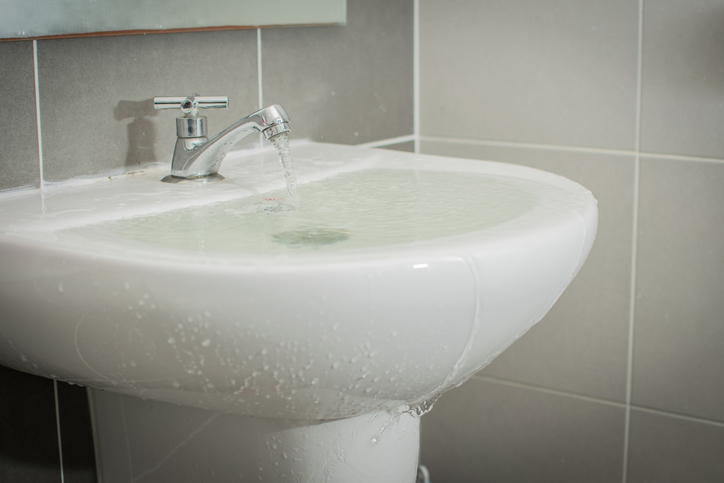
- Standing water or slow-moving bathroom and kitchen drains
- Slower than normal toilet flushing, gurgling sounds, or sewage backups
- Fast-growing, lush grass growing near your septic tank or drain field
Knowing what causes a septic tank to back up isn’t always evident. Even if you don’t observe any signs, if you can’t remember the last time your septic tank was inspected or maintained, don’t wait. Our service team can figure out what causes your septic tank to back up or why your drains are so slow and offer cost-effective solutions. Sterling Septic & Plumbing can maintain and protect your septic system and ensure it meets Washington State health regulations.
Local & Regulatory Considerations (Washington State)
Washington State regulates septic system installation, repair, and maintenance to protect the environment and the public. For example, new septic tank installations or replacements in residential and commercial septic systems require a permit. Here are other regulations that affect homes and businesses with septic tanks.
- Conventional septic systems, comprising a septic tank and drain field that rely on gravity, must be inspected every 3 years.
- Septic systems that use sand filters, pumps, and other non-conventional components must be inspected annually.
- Food service properties must have their septic systems inspected annually, regardless of the configuration.
- A septic system inspection and a Report of System Status are required for property sales.
Washington State does not dictate how often a septic tank must be pumped but recommends investing in septic tank pumping every 3 to 5 years. Along with state regulations, the size of a household, water usage, and other factors determine the optimal frequency for septic maintenance.
Sterling Septic & Plumbing Services
Sterling Septic & Plumbing is an A+ rated Better Business Bureau local business that delivers 5-star septic services across King and Pierce Counties. We provide professional septic tank pumping, maintenance, repair, and replacement services for every septic system need. Get pro tips for what to add to your septic tank when you contact us today for a professional inspection.