
How much does it cost to replace a septic tank in Pierce or King County? The cost to replace a septic tank in Washington State varies, depending on factors ranging from tank size to septic system complexity. While the cost to replace a septic tank in Washington varies, property owners can find the cost easier to manage with the help of the state. The Washington State Department of Ecology administers the Regional On-Site Sewage System Loan Program to help residents with their tank replacement costs.
Average Cost to Replace a Septic Tank in Washington
The average cost to install a septic tank in Washington State can exceed $15,000, including the tank, drain field, materials, and site preparation and restoration. The cost to replace your septic tank depends on the project’s scope, tank size, degree of excavation, and other factors. The type of septic system also plays a significant role in cost.
- The cost of a conventional gravity-fed septic system can range from $5,000 to over $7,000.
- Alternative septic systems, like aerobic treatment and sand-filtered units, can cost from $8,000 to $12,000.
- Mound systems, required for properties with poor soil or high water tables, can cost between $10,000 and $15,000.
Septic tank replacement cost also depends on the material of the septic tank. Concrete, steel, fiberglass, and plastic septic tanks each have their unique characteristics and vary in cost. A septic system professional can help you determine which type of tank construction and system is best suited for your property.
For septic systems that only need a new pump, property owners can expect septic tank pump replacement costs to run from as low as $500 up to $3,000. The cost of the pump replacement typically includes parts, labor, and required permits, with the degree of excavation required having the most significant impact on costs.
Key Factors That Influence Septic Tank Replacement Costs in Washington
The key factors that impact the cost to replace a septic tank the most include the tank size, septic system location, and excavation. When a drain field or other components are needed, the septic tank replacement cost will increase. The price of extensive septic system repair and replacement rises due to the need for more parts, equipment, and labor.
Tank Size
Large septic tanks cost more than typically sized residential tanks, and they require more labor site prep, which adds to the cost.
Soil Conditions
High water tables, poor or rocky soil, and other conditions can require specific equipment and extensive excavation, which increases the cost.
Location
When the property, tank, or drain field is in remote locations, a septic tank project cost can increase because of the extra labor, transportation expenses, and additional equipment.
Other factors that affect septic tank replacement costs include required permits, inspections, and fees. The amount of restoration needed after the tank is installed, such as reseeding grass and replacing landscaping, can add significantly to the septic tank replacement cost.
Step-by-Step Septic Tank Replacement Process with Sterling Septic and Plumbing
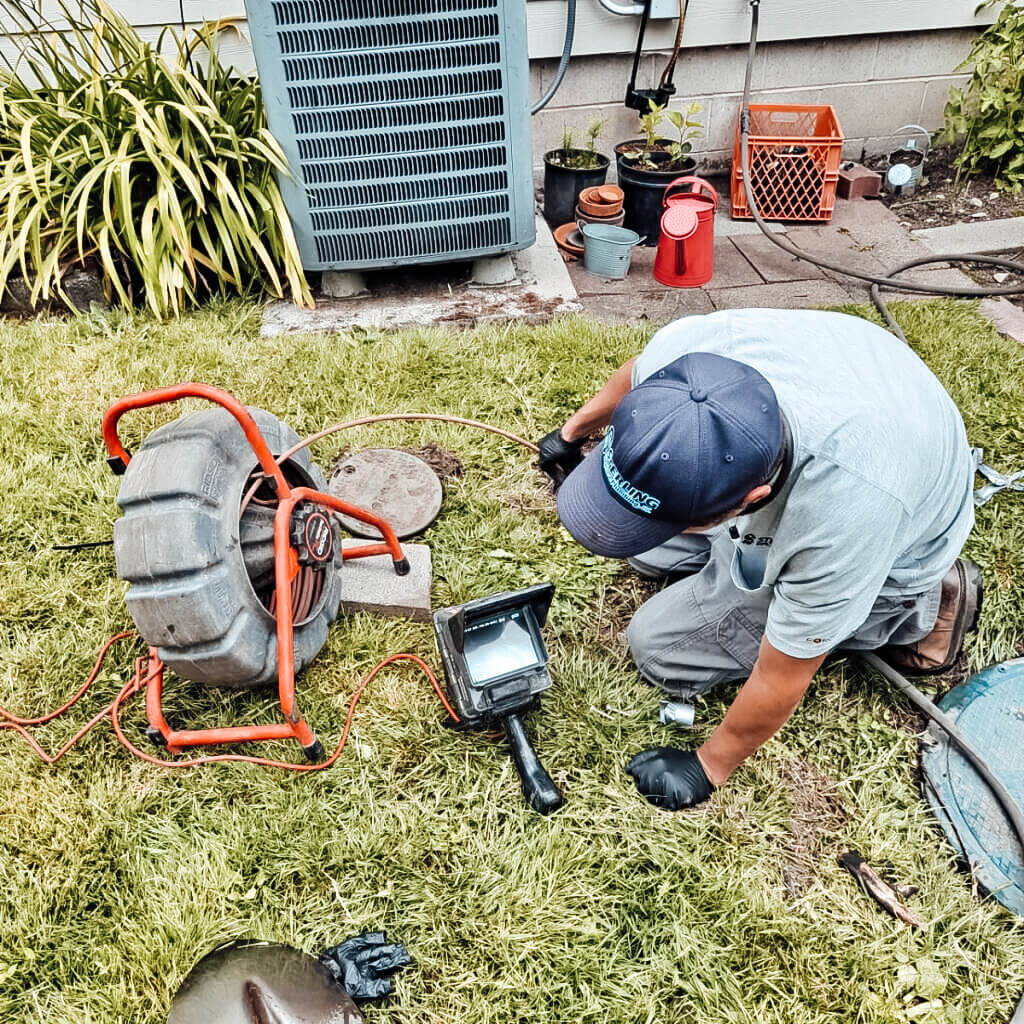
Replacing a septic tank in Washington is a specialized project that involves key steps, from local health department approval to the final inspection. Once a property owner has an approved design, permits, and any required pre-installation inspections, it’s time for your septic technicians to get to work. Here are the typical steps professional septic companies like Sterling Septic follow to replace a septic tank and other components.
- Excavate to remove the old septic tank and drain field.
- Disconnect the drain field, tank, and other components and remove them.
- Prepare the site for the tank and install the new septic tank.
- Install gravel and pipes for the new drain field.
- Connect the septic tank pipes to the drain field and other components.
- Connect the septic system to the property’s plumbing.
- Backfill the excavation around the drain field and tank.
- Restore disturbed landscaping and soil to their original state.
- Have the project inspected by a licensed septic inspector to ensure compliance.
- Test for water tightness and other key factors of a properly functioning septic system.
Replacing your septic tank or related components may include some or all of these steps, depending on the circumstances. Professional septic technicians from Sterling Septic are happy to go over every detail, from costs to the exact process.
Signs You May Need to Replace Your Septic Tank
Even the most well-maintained septic tank that has been inspected and pumped often can eventually need replacement. Items being flushed that shouldn’t, tree and shrubbery roots, and wear and tear, can cause problems for your tank and the rest of your septic system. If you notice danger signs like these, it may be time for professional repairs or septic tank replacement.
Lush, Green Grass
When the grass around a septic tank, drain field, or pipes is inexplicably lush and green, it’s often a sign of a full septic tank or other system issue. While wastewater is bad news for nearby groundwater, the nutrients and increased moisture are catalysts for vigorous grass growth. Leaking septic lines, a cracked septic tank, or a damaged main line are a few issues often associated with this warning sign.
Standing Water
Standing water near your septic tank, drain field, or other areas of the system can mean an overflowing tank or broken lines. Pools of water caused by a septic system failure will typically put off an egg or sulfur smell that’s hard to miss. Not only is the standing water smelly, but it also contains bacteria and other contaminants that could leach into groundwater.
Contaminated groundwater is a major health concern for residents who live nearby, as well as any bodies of water or creeks and rivers. Wells located close to a failing septic system are at an elevated risk of being contaminated, which can lead to serious illness.
Sewage Backup
If sewage backs up into your property, the problem could range from a clogged mainline to a failing septic system. Sewage backup can occur in tubs, showers, sinks, and toilets and is often accompanied by a foul odor. Before property owners actually see the backup, they may hear gurgling or sloshing noises from pipes and drains.
Regardless of whether the issue is a minor clog or a system that needs a septic tank replacement, sewage backing up can cause property damage and health issues.
While there is no substitute for periodic inspections and routine maintenance, property owners who are aware of the danger signs can help minimize the damage. Keep an eye out for the red flags, keep up with the required inspections, and have your septic tank pumped as recommended to keep your septic system healthy.
Why Choose Sterling Septic & Plumbing?
Sterling Septic & Plumbing is a family-owned local septic company that delivers 5-Star service for septic tank replacement, home sale services, and septic system repair. When you notice signs of a failing septic tank, or you can’t remember the last time your tank was pumped or inspected, it’s time to call in the pros. We serve nearby areas across Pierce and King Counties and offer competitive septic tank replacement costs.
How to Get a Customized Septic Tank Replacement Estimate
At Sterling Septic, we offer superior service and affordability with a range of septic services. We are a trusted local business that strives to make septic tank replacement, pumping, and repairs as cost-effective as possible. Get a professional inspection and a competitive estimate for all your septic needs when you contact Sterling Septic today.