
Professional Septic Inspections vs. DIY: What’s Best for Your Home?
What is a Septic Inspection?
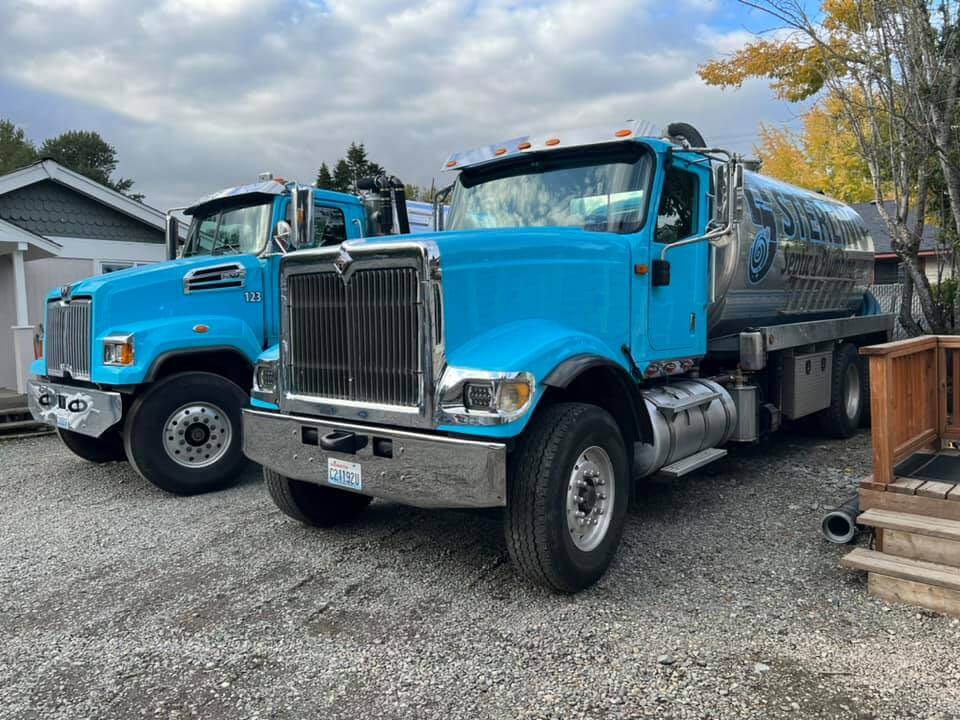
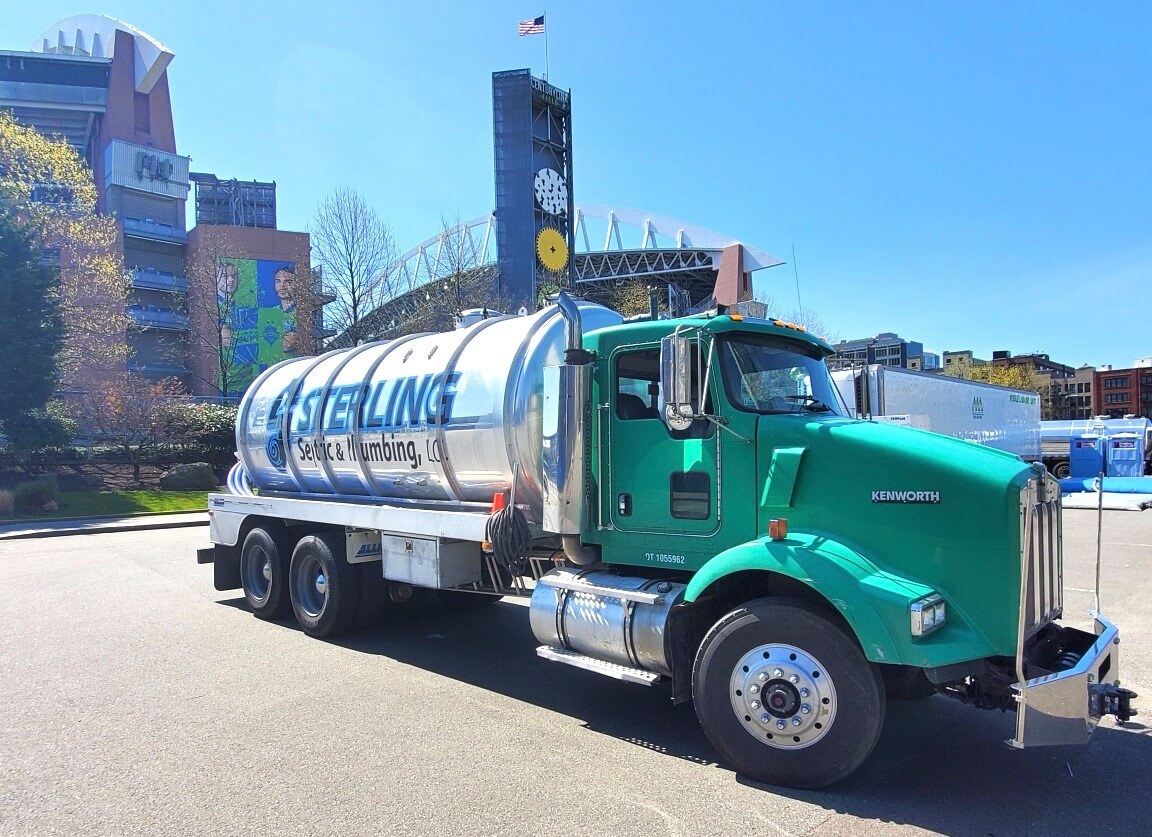
Before evaluating the professional septic inspection vs. DIY debate, you must know what an inspection entails. A septic inspection is a complete assessment of a home or business septic system, including the tank, lines, and drain field. Periodic inspections ensure a septic system is operating correctly and identify problems like leaks, blockages, or damaged pipes. Septic inspections should be performed by a professional every three to five years, along with maintenance and timely repairs for optimal performance. If you don’t know how long it’s been since your septic system was inspected or maintained, contact Sterling Septic & Plumbing today.
Key Components Checked During a Professional Septic Inspection
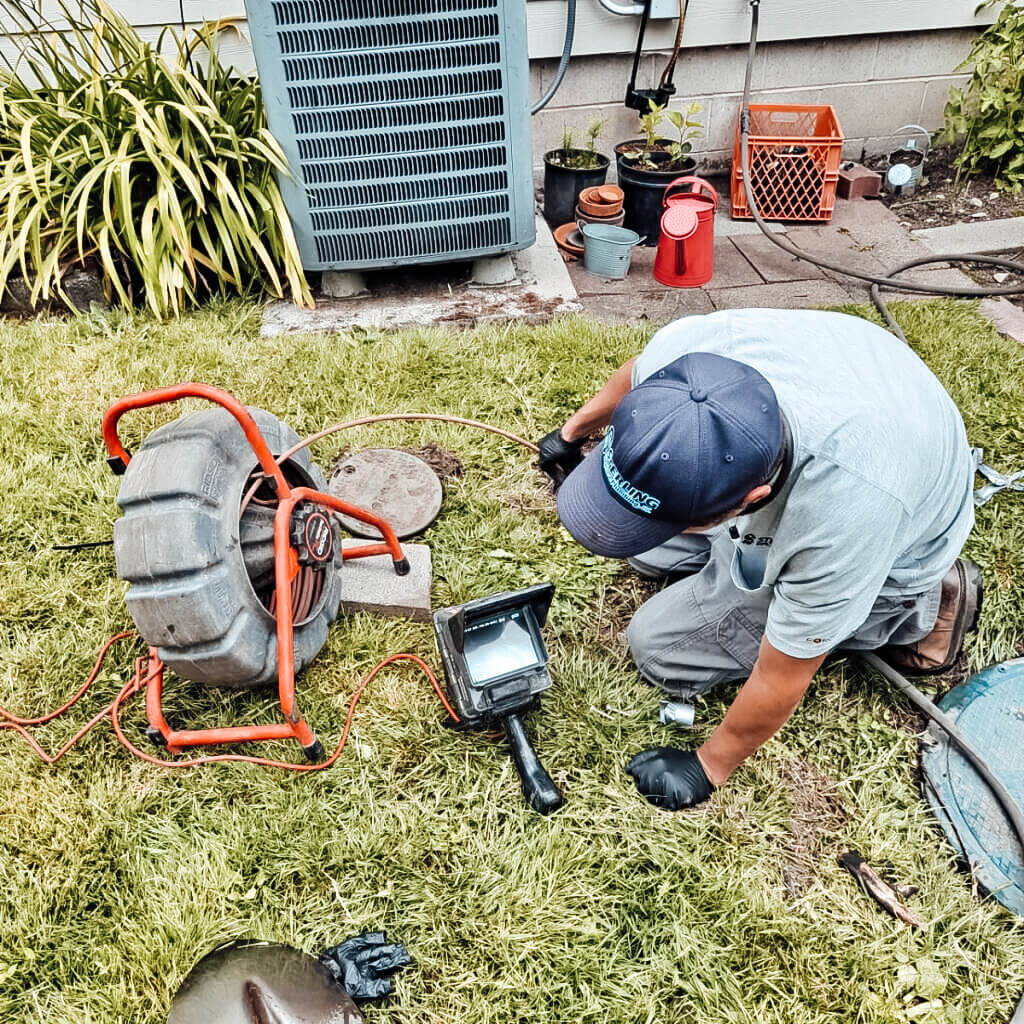
A professional septic system inspection includes the septic tank, distribution box, drain field, and other components. The inspector checks for structural integrity, damage, leaks, and proper function using flow tests and other methods. Here are the key components checked:
Septic Tank
A septic tank inspection identifies damage, structural integrity, leaks, and other issues to ensure it is watertight and functioning correctly. The inspector measures the depth of the solids at the bottom of the tank and the lighter waste level at the top to determine if the tank needs pumping. The baffles that connect the tank’s compartments and control the wastewater flow are checked for damage and proper operation.
Distribution Box
The inspector checks the distribution box for any issues and ensures the component is level. To prevent nearby flooding and other overflow problems, the inspector ensures that the distribution box is distributing wastewater evenly across the drain field.
Drain Field
The drain field is inspected for damage, standing water, lush vegetation, and sewage odors to ensure it’s in good condition. The septic inspector also checks for signs of intrusions, such as tree roots that can cause structural damage and blockages. The inspector also checks the effluent screen for clogs and damage to ensure it prevents solids from entering the drain field.
Throughout the inspection process, the inspector checks accessible pipes and other areas for clogs and signs of damage. To complete the septic inspection, water is run and toilets flushed to ensure the proper distribution and absorption of the wastewater.
Professional Septic Inspections vs. DIY: What Homeowners Can Handle
Learning how to do a septic inspection is a smart move for property owners. Homeowners can take care of basic septic system maintenance by first locating the tank and drain field. These areas should have easy access and be checked for signs of issues such as sewage odors and standing water. Homeowners should also maintain accurate records of their inspections along with any professional septic maintenance and repairs.
However, it’s essential to hire a septic professional for septic tank inspections, tank pumping, or repairs. These tasks require technical knowledge and specialized equipment to ensure safe, reliable inspections. Here’s a breakdown of how homeowners can inspect and help maintain their septic systems.
Locate Your Septic System
Identify where your septic tank and drain field are located and note the location with a sketch to be kept with your repair and maintenance records. If you have trouble finding your septic system components, you may be able to obtain a record of the location at your local health department.
Monitor the Septic System
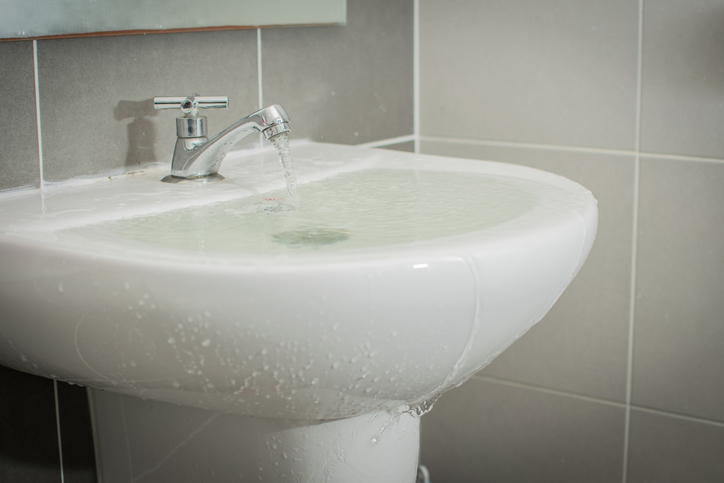
Look out for signs such as unpleasant smells, sewage backups, slow drains, or pooling water near the septic system. These and other signs of septic system failure should be addressed by a professional to prevent further damage and minimize repair costs.
Practice Good Usage Habits
Conserve water when possible to avoid overloading the septic system. Use cleaning and other products that are safe for septic systems, preferably ones that are biodegradable. Don’t put grease, coffee grounds, paint, harsh chemicals, or other non-biodegradable items down your drains.
To help property owners keep their septic systems in peak condition and extend their lifespan, Washington State has published a comprehensive DIY septic inspection guide. The guide includes a list of materials and tools, as well as detailed plans for making septic tank measuring sticks.
When to Call a Professional Septic Service Company
Homeowners can perform routine DIY septic maintenance such as monitoring water usage, properly disposing of waste, and protecting the drainfield area. However, professional septic services are required for septic tank inspections, pumping, repairs, and installation services. It’s essential to call in a licensed septic professional for accurate diagnosis and repair in most instances, including:
- Diagnosing persistent signs such as foul odors, multiple slow drains, damp soil near the septic system, and pooling water nearby.
- Conducting code-compliant inspections to evaluate the overall condition of the septic system, as well as unearthing tank lids, checking wastewater levels, and performing drain field maintenance.
- Assessing septic tank levels and pumping when needed using specialized equipment.
- Determining the presence of roots, clogs, and damage in the drain field, distribution box, and sewage lines.
Property owners shouldn’t attempt septic repairs or more than a preliminary inspection to protect the septic system and avoid contact with harmful bacteria and viruses. A septic system expert can quickly diagnose issues such as sewage backup, slow drains, standing water, and other signs of septic problems and recommend the best solutions.
Septic System Inspections FAQs
How Often Should Inspections Be Done?
Washington State health regulations require septic systems to have a professional inspection every one to three years. The ideal frequency for septic system inspections depends on the type of system and other factors such as local regulations. Septic inspections are also required for property sales.
Do local regulations require a certified inspector?
Professionals performing septic tank inspections in Washington State must be licensed and meet the standards set by the Board of Engineers and Land Surveyors. Properties with septic systems in Pierce County are required to undergo regular operation and maintenance (O&M) inspections performed by a certified inspector. King County regulations require certified professionals to inspect septic systems, and property owners must submit proof of proper maintenance every one to three years. Sterling Septic & Plumbing provides complete, code-compliant septic services across King and Pierce Counties.
What parts of the septic system are hardest to inspect on your own?
While identifying slow-moving drains or pooling water near the septic system is straightforward, the critical underground components are usually inaccessible. Excavation and removing the heavy septic tank lid can be dangerous and potentially cause unnecessary septic system damage. Accessing and inspecting a septic tank or drain field requires specialized equipment, as well as safety and technical knowledge.
Can skipping septic inspections lead to more expensive repairs later?
Yes, skipping septic inspections can lead to increased risk of expensive and complex repairs or replacement. Septic system inspections reveal damage and other problems, as well as help identify minor issues before they become major catastrophes. Routine inspections can identify buildup, failing components, and the need for septic tank pumping. Septic tank inspection costs are significantly less expensive than repairing the potential damage caused by neglect.
Additionally, failing to inspect and maintain a septic system can lead to property damage, compromised health, and environmental contamination. In instances where a septic tank causes damage to public property, property owners could even incur fines. Septic system violations caused by neglect can be subject to federal, state, and local regulations, which vary in their regulations and fee rates. Groundwater contamination from a failing or unpermitted septic system may also violate the Clean Water Act, leading to more serious consequences.
How do I choose a reliable septic inspection professional?
When choosing a reliable septic inspection professional, proper state and local licensing, required insurance, and proven experience are essential. Washington State requires service professionals to be licensed and insured to perform most septic system services. However, it’s in property owners’ best interest to verify these requirements before partnering with a septic professional.